Germany plans to expand military support for Ukraine after Russian drone incident in Leipzig
After Berlin acknowledged Russia's involvement in a drone incident at Leipzig/Halle Airport, the German government plans to increase military support for Ukraine and deepen intelligence cooperation, while also pushing for tougher sanctions on Russia.
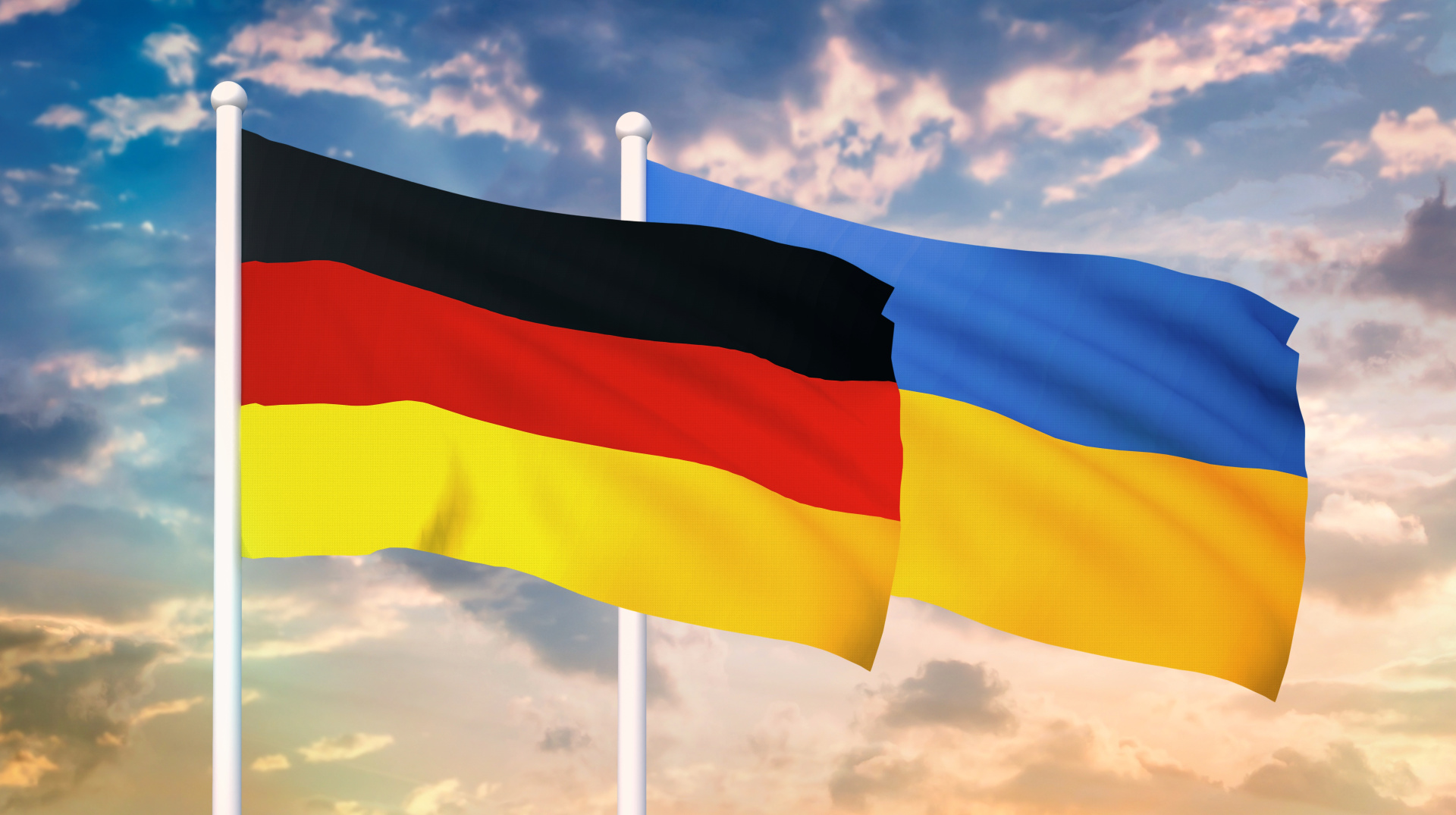
The German government is preparing to expand military support for Ukraine after Berlin officially acknowledged Russian involvement in a drone incident at Leipzig/Halle Airport. According to Der Spiegel, citing sources, one key plan is to strengthen cooperation between German and Ukrainian intelligence services.
Weapons and air defense
Sources say Germany plans to deliver thousands of attack drones to Ukraine in September, along with missiles for Iris-T air defense systems. The government is also considering continuing to help Ukraine gather target coordinates for counterattacks against Russia.
Expanded powers for intelligence services
German special services are expected to gain broader authority in the future. This fall, the Bundestag is set to pass a law on intelligence services that would allow them to take so-called "active measures" against attacks. This would let agents of the Federal Intelligence Service (BND) infiltrate attackers' computers and servers to delete stolen data, as well as intervene in supply chains by substituting components in shipments to hostile states. In cases of particularly serious threats, BND agents could even hack IT systems at, for example, drone manufacturing plants or chemical weapons laboratories to sabotage production.
Pressure on Russia
At the same time, the German government plans to increase pressure on Russia. In addition to already announced steps — closing the consulate general in Bonn and the "Russian House" in Berlin — Germany wants to push for tougher sanctions at the EU level, including greater pressure on Russia's so-called "shadow fleet," new restrictive measures, and stricter controls on the entry of Russian citizens into the EU.
At an informal meeting of EU foreign ministers in Wicklow on September 2, ministers again discussed a ban on entry into the EU for former Russian combatants, an idea that had broad support. German Foreign Minister Johann Wadephul has already called on the EU to impose new sanctions on Russia after Berlin accused Moscow of a hybrid drone attack on Leipzig airport.