Germany reportedly to spend around €12 billion on long-range weapons arsenal
Internal documents from Germany's defense ministry show the government expects to spend nearly €12 billion building a long-range weapons arsenal aimed at deterring Russia. The funding has not yet been approved by the Bundestag.
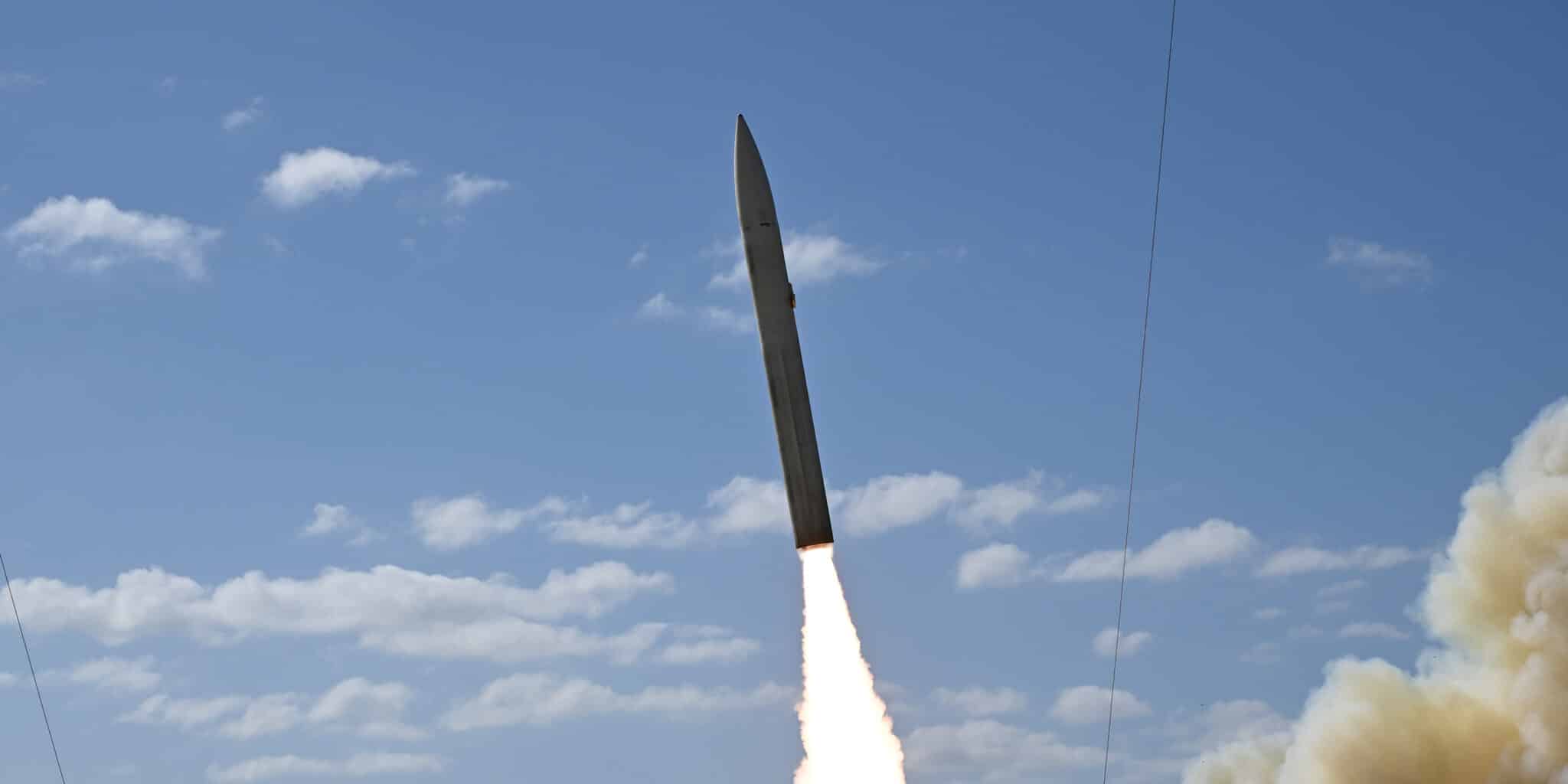
Politico has obtained internal documents from Germany's Ministry of Defense showing that the government expects to spend nearly €12 billion on building a new arsenal of long-range weapons intended to deter Russia, according to Yevropeiska Pravda.
The new weapons would allow Germany's armed forces to strike targets hundreds or even thousands of kilometers from the front line — potentially including command posts, airfields, missile launch sites and supply centers. The documents describe the initiative as a key priority for both Germany and NATO, coming as European countries rearm in response to the threat from Russia.
The stated goal is to give the German military the ability to strike "deep into enemy territory" while retaining the capacity to respond with conventional weapons "below the nuclear threshold."
A four-part plan
The plan has four components. The first weapons are expected to arrive as early as next year, while the most advanced systems, being developed jointly with the United Kingdom, are planned for deployment by the mid-2030s. The nearly €12 billion needed from the state budget has not yet been approved. Another ministry document notes that cost calculations were completed and submitted as part of the state budget planning process.
The Defense Ministry declined to comment on the figure or on individual programs, saying such measures typically require approval by the Bundestag and that it could comment only after parliament has reviewed the matter.
The most immediate part of the plan is a new, low-cost cruise missile that Germany hopes to begin fielding in 2027. The next element concerns the United States: Germany's internal goal is to achieve initial operational readiness for American Typhon launchers armed with Tomahawk missiles by the end of the decade, giving Berlin a proven long-range weapon while European alternatives are developed.
The final two parts of the plan are being developed jointly with the UK. Berlin wants a mix of cheaper missiles that can be mass-produced, near-term access to American Tomahawks, and more advanced European weapons in the future. It was previously reported that Britain and Germany aim to develop a precision long-range missile capable of hitting targets beyond 2,000 kilometers by 2034, and in June it was reported that German defense firm Diehl was interested in cooperating with Ukraine's Fire Point on potentially producing Flamingo missiles in Germany.