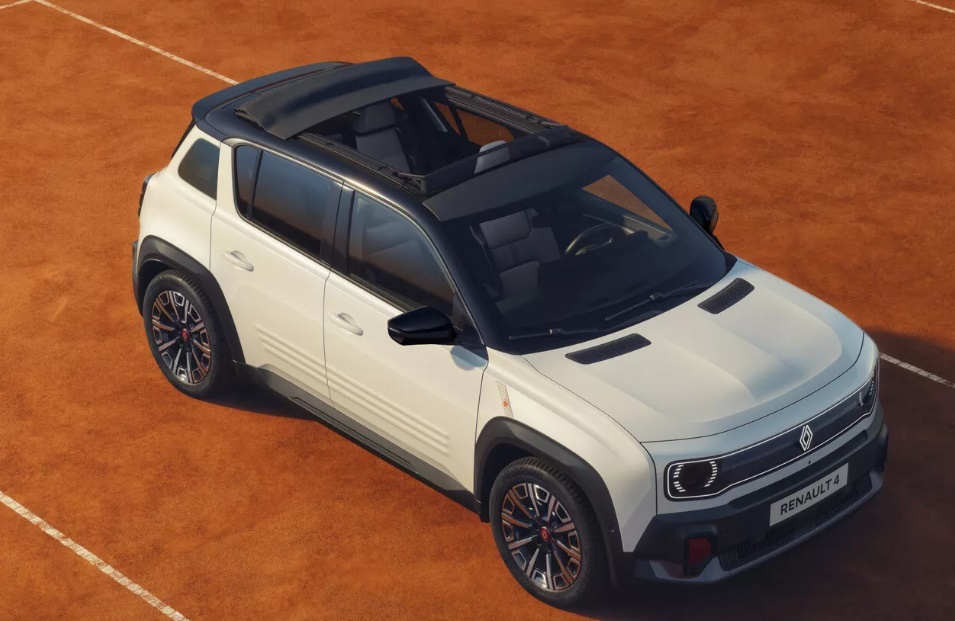
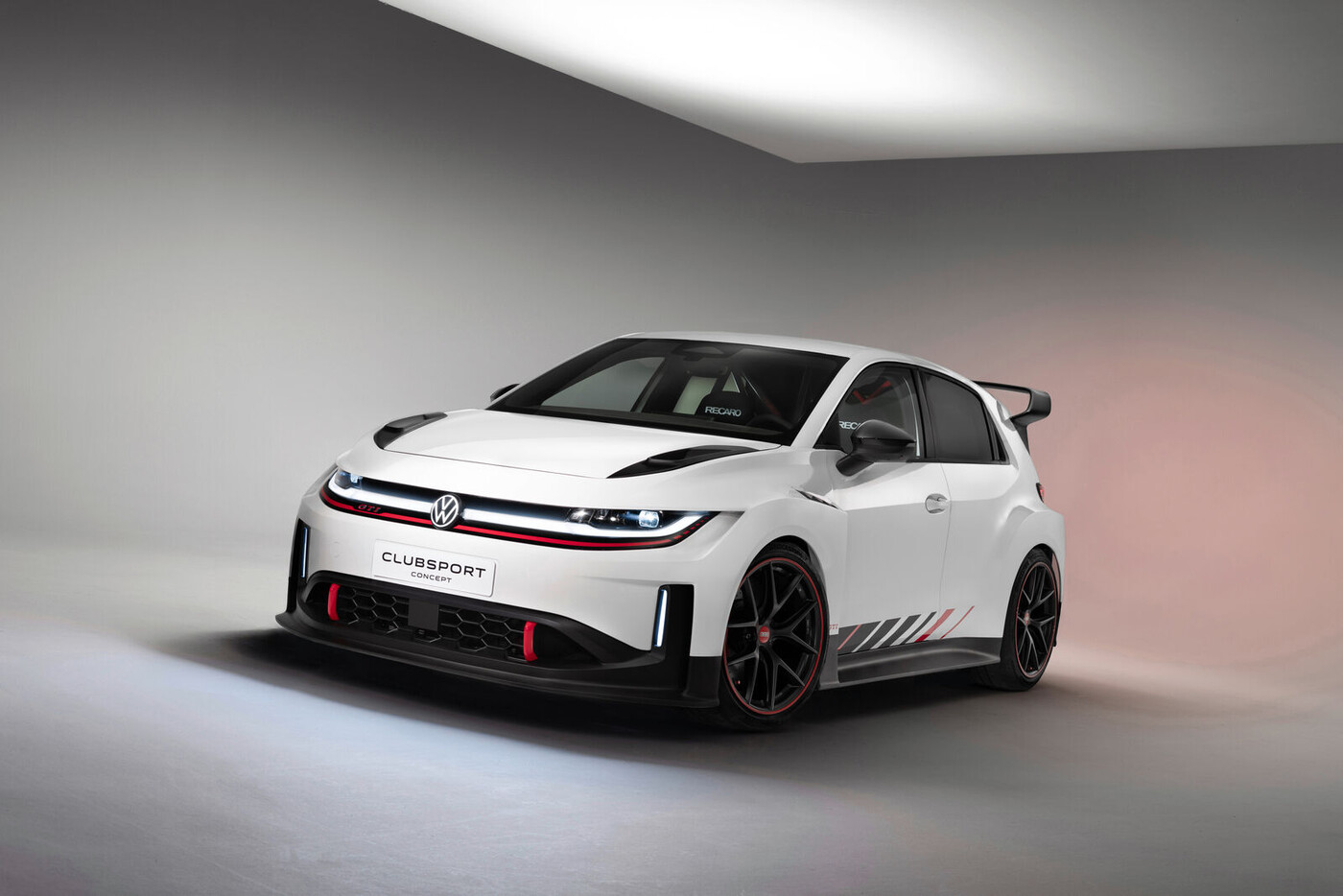
Germany and France agree on "Made in Europe" rules and a softer combustion-engine ban
German Chancellor Friedrich Merz and French President Emmanuel Macron have agreed on a "Made in Europe" approach and a weaker EU ban on combustion engines. German Environment Minister Carsten Schneider had initially blocked the deal but approved it on Friday.
German Chancellor Friedrich Merz and French President Emmanuel Macron have reached an agreement on two issues that affect European industry and carmaking: the "Made in Europe" principle and rules on vehicle exhaust emissions. The document softens the European Union's planned ban on combustion engines, which is due to take effect from 2035.
The deal was delayed by disagreement inside the German government. Environment Minister Carsten Schneider, of the Social Democratic Party (SPD), initially blocked it and raised objections. On Friday he gave his approval to the paper.
What the document contains
According to the available information, the draft sets stricter conditions for countries outside the EU. These cover their participation in public tenders and their access to public funding. European producers would therefore be given a stronger position.
The second part of the document concerns the car industry. It provides for easing the ban on new combustion-engine vehicles that the EU is due to introduce from 2035.
Why it matters
Germany and France are the two largest economies in the EU, so a joint position from them often shapes later negotiations at European level. The source excerpt does not describe the exact new rules in detail. It also does not say when or how other EU countries will discuss the proposal.