Germany and Kosovo team up against tick spreading deadly virus
For over a decade, German and Kosovar researchers have been jointly tracking the Hyalomma tick and the Crimean-Congo hemorrhagic fever virus it carries, as climate change helps the species spread further into Europe. Their cooperation has sharply reduced severe infection cases in Kosovo.
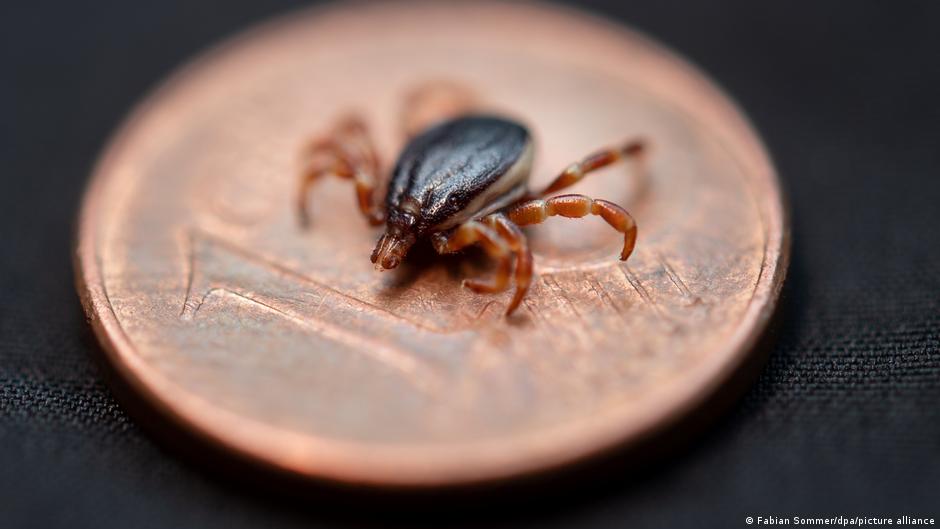
The Hyalomma tick, nicknamed the "great hunting tick," can spot potential victims from about 200 meters away and actively chases them down rather than waiting in the grass. Once confined mostly to Africa, Asia and southern Europe, it can now survive further north due to climate change and has already been found in Germany and parts of Eastern Europe. Kosovo has long been a hotspot for the species.
The tick carries the Crimean-Congo hemorrhagic fever virus, a severe disease with symptoms resembling Ebola or Marburg fever that can cause fatal internal bleeding.
How the partnership began
Veterinarian Kurtesh Sherifi first learned of the disease in 2005 while studying in Berlin, reading that 11 people in Kosovo had been infected and five had died. Later, working at the University of Pristina's faculty of agriculture and veterinary medicine, he found that Kosovo, a country of about 1.6 million people, lacked the high-security lab facilities needed to study the virus. He reached out to Germany's Bernhard Nocht Institute for Tropical Medicine, where virologist Petra Emmerich specializes in high-risk pathogens. She traveled to Kosovo in 2009 and met Sherifi, launching a collaboration that has received funding from Germany's Biosecurity Program since 2013.
Risk groups and prevention
Farmers in Kosovo face particular risk, often because they remove ticks from animals bare-handed, allowing infected blood to enter small wounds. The two researchers have also visited schools to teach students about protective measures such as repellents, long trousers and sturdy footwear.
There is no vaccine or specific treatment for the disease. Severe cases require intensive care and isolation due to high contagiousness, and while the antiviral drug ribavirin is used, it has limited effectiveness in acutely ill patients.
Progress and ongoing risk
Through tick collection and blood testing of farm animals to detect past viral exposure, the researchers have helped cut severe infection cases in Kosovo to just five over the past decade, down from about 100 in the decade before. Still, the tick continues spreading across Europe, having recently been detected in France, though no human infections have been reported there yet. Germany and Kosovo are now sharing their expertise with North Macedonia and Albania as well.


