German Media: Russia Could Launch a Nuclear-Armed Satellite Into Orbit
Western intelligence services, citing German media, warn that Russia could put a satellite carrying a nuclear warhead into orbit within weeks. The Russian embassy has rejected the claims as propaganda.
Western intelligence services and military authorities warn that Russia could launch a satellite carrying a nuclear warhead into space at any moment in the coming weeks. The Ukrainian news agency Ukrainska Pravda reported this on 23 November, citing German public broadcasters WDR and NDR. If confirmed, it would mean a nuclear weapon being placed in space, which would pose a serious military threat to the West.
What the media report
According to the reports, the German armed forces have informed Defence Minister Boris Pistorius and other government officials about the possible danger. The assessment is also shared by Germany's Federal Intelligence Service. The satellite is reportedly called "Sputnik-S" and would become active immediately after reaching orbit. It is said to be fully assembled and to have been stored for some time in a warehouse near Moscow.
Possible consequences
Once a nuclear-armed satellite was in Earth orbit, the options for neutralising it or preventing the weapon's use would be very limited. Information available to foreign media indicates that US Space Force commander Stephen Whiting recently warned that a nuclear detonation in space could, within hours or days, most likely destroy about a third of all satellites in low Earth orbit, while the rest would gradually stop working over the following months.
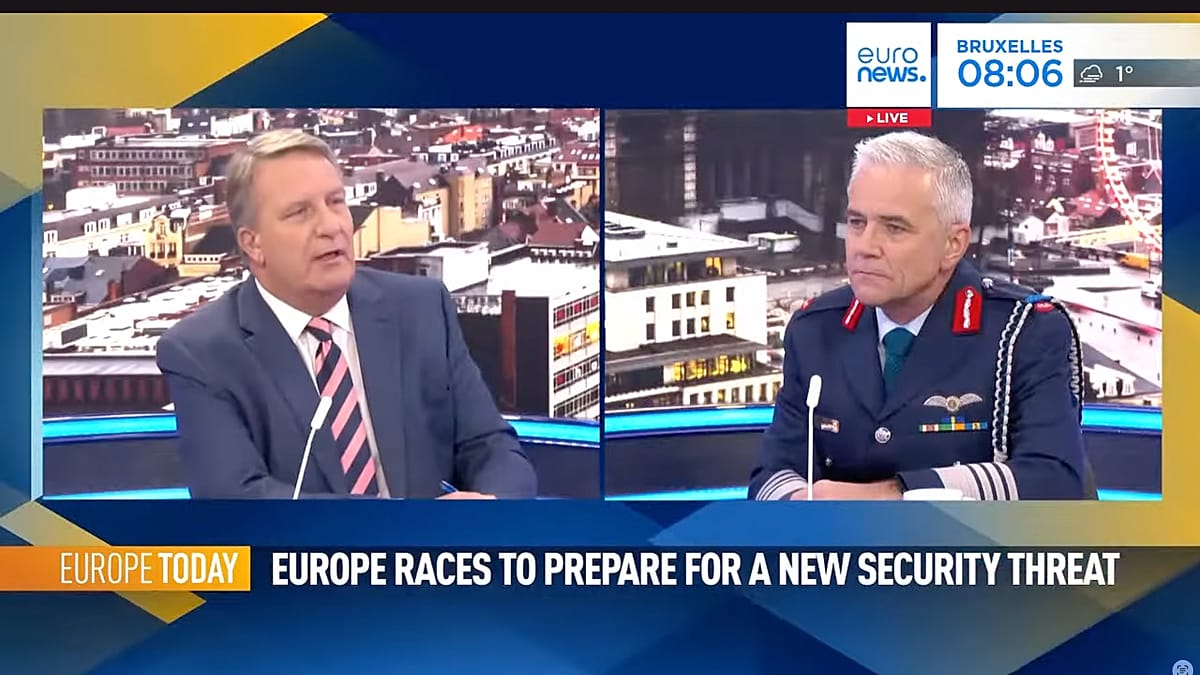
Another risk is a powerful electromagnetic pulse, which could disrupt many technical systems on Earth as well. Major General Armin Fleischmann of Germany's Cyber and Information Space Service said the consequences for the German population would be enormous, with possible power supply disruptions and serious limits on communications and navigation.
Russia's response
Responding to journalists' questions, the Russian embassy said it had no information about the events described. At the same time, it categorically rejected the claims about Russian activity in space and called them part of a propaganda campaign.
European space defence debate
Seven European Union member states have previously called for the planned European space defence shield to be reshaped so that it focuses on protecting EU space systems, while the development of military space forces would remain each country's own responsibility. Paris and Berlin have long been sceptical of the initiative, which Brussels proposed last year when presenting the 2030 defence readiness plan.