German and French lawmakers demand tougher measures against Russia's 'shadow fleet'
German and French parliamentarians jointly call for enhanced control and detention of Russia's 'shadow fleet' vessels, which threaten sanctions effectiveness and security.
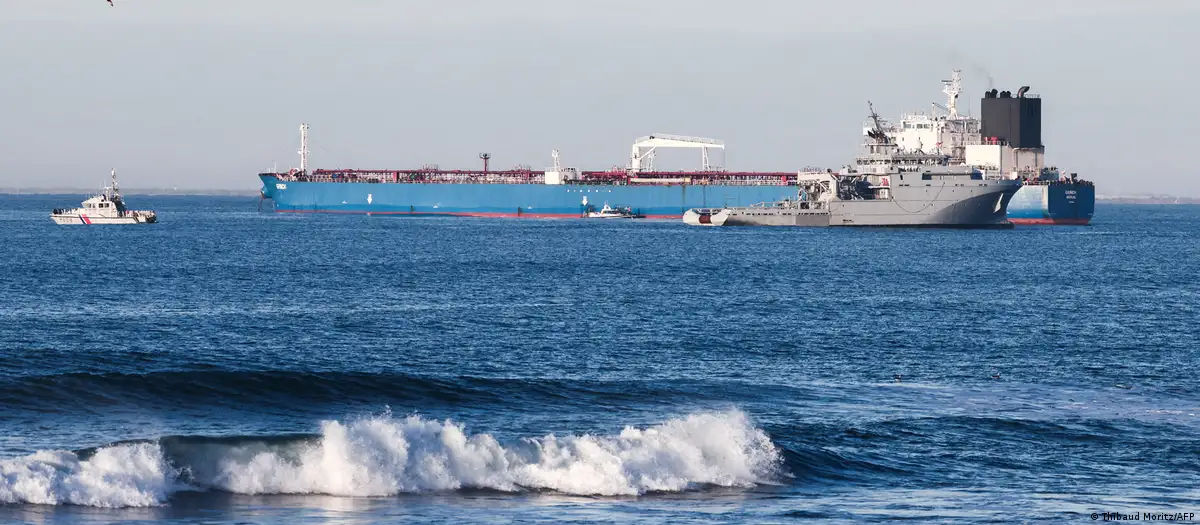
Lawmakers from Germany and France have launched a joint initiative demanding more concrete actions against vessels of Russia's so-called ‘shadow fleet’. The draft document is set to be adopted on June 22 during a session of the German-French Parliamentary Assembly (DFPV).
According to the parliamentarians, there is a need for increased surveillance and the detention of ships that violate existing regulations. The draft also calls for additional diplomatic efforts toward states whose flags these vessels fly.
In Germany, the demand is backed by lawmakers from the Christian Democratic Union/Christian Social Union (CDU/CSU), the Social Democratic Party (SPD), and the Greens. ‘The shadow fleet poses not only a geopolitical but also a significant security and environmental risk,’ the draft document states. Many tankers are old, poorly maintained, and do not meet international standards. Furthermore, some vessels are used for sabotage or espionage.
‘Russia's shadow fleet threatens not only the effectiveness of our sanctions but also Europe's security and our critical infrastructure. We must respond together,’ said Jürgen Hardt, foreign policy expert for the CDU/CSU parliamentary group. Anton Hofreiter, a Green politician and chairman of the Bundestag's EU Affairs Committee, added: ‘The activities of Russia's shadow fleet provide continuous revenue to the Russian state treasury to finance the war against Ukraine and pose a security threat.’
Earlier this week, the United Kingdom and Canada announced new sanctions against Russia, primarily targeting the shadow fleet of Russian oil tankers. Meanwhile, U.S. President Donald Trump hinted on the sidelines of the G7 summit that he might not extend sanctions waivers on Russian oil, which were introduced in response to global price increases triggered by the war in Iran.