German researchers identify a receptor that may help fight osteoporosis
Leipzig University scientists have found that the receptor GPR133 could be a new target for osteoporosis treatment, after a compound called AP503 boosted bone strength in mice.
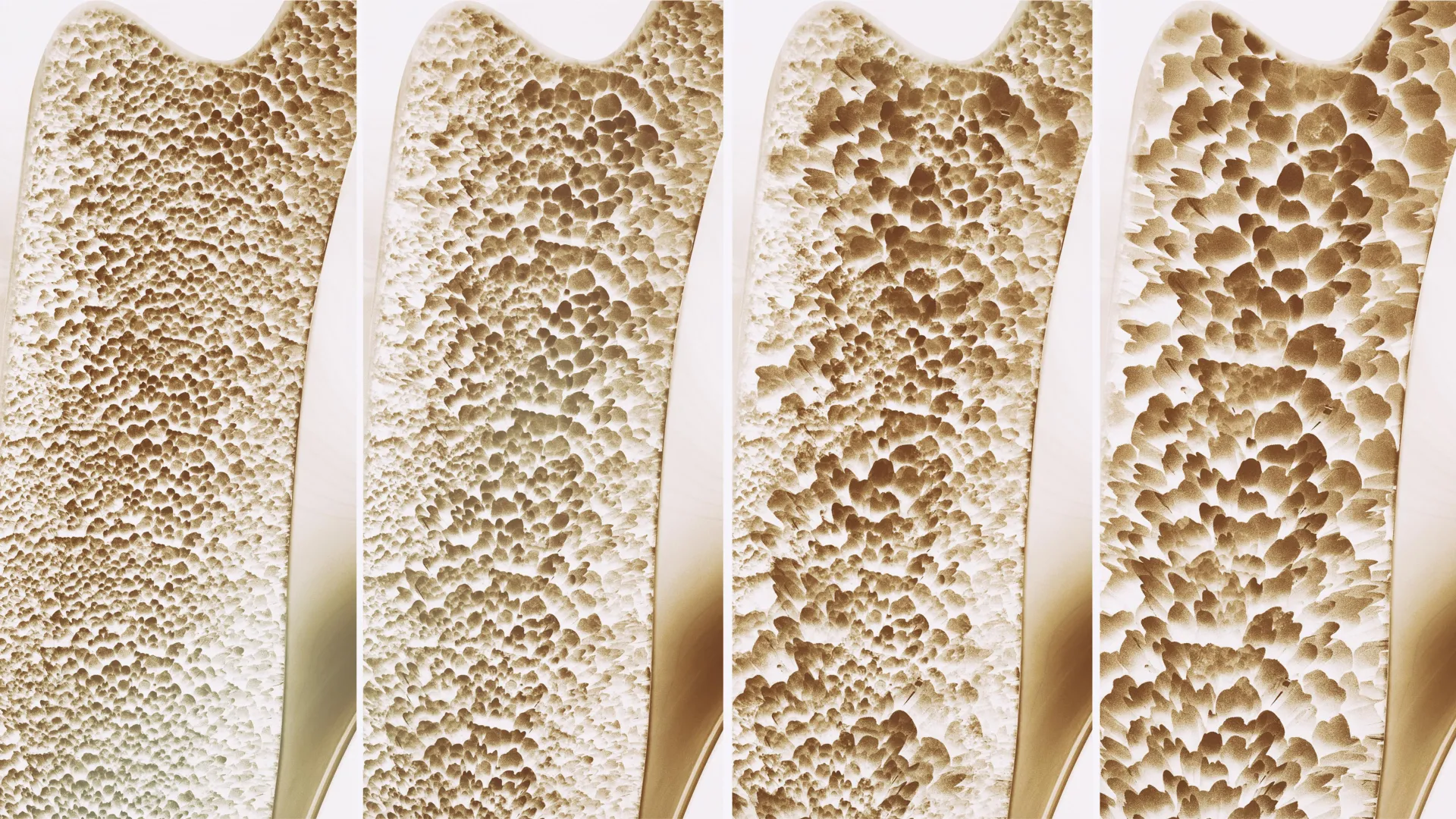
Osteoporosis, which weakens bones and raises the risk of fractures, affects millions of people worldwide — including around six million in Germany alone, most of them women. Because current treatments often come with limitations and side effects, researchers have been searching for new ways to preserve or rebuild bone tissue.
Scientists at Leipzig University's Rudolf Schönheimer Institute of Biochemistry have identified a cell-surface receptor called GPR133 as a promising target. It belongs to a family known as adhesion G protein-coupled receptors, which help cells respond to signals from their environment.
The study found that mice with an impaired GPR133 receptor developed signs of bone density loss at an early age, resembling human osteoporosis. Using AP503, a compound recently identified as a stimulator of GPR133, researchers were able to significantly increase bone strength in both healthy mice and mice with osteoporosis-like bone loss.
How the receptor builds bone
Inside bone tissue, GPR133 responds to physical forces and interactions between nearby cells. When activated, it shifts the balance between osteoblasts, the cells that build new bone, and osteoclasts, which break old bone down — boosting the former's activity while reducing the latter's, resulting in stronger, more durable bone. AP503 appears to mimic the natural process that activates GPR133, raising the possibility it could eventually help strengthen or restore bone, including in cases of menopause-related osteoporosis.
The same research team had previously found that AP503 also strengthens skeletal muscle, a finding that could be especially relevant for older adults, who often experience declines in both bone and muscle strength simultaneously. The Leipzig team is now pursuing further studies to better understand GPR133 and explore whether AP503 could have applications for other conditions.