German scientists use laser to turn PET plastic into nanodiamonds
Researchers from the Helmholtz Centre Dresden and the University of Rostock used a powerful laser to produce nanodiamonds from PET film and, for the first time, collected them intact. The technology is not yet ready for industrial use.
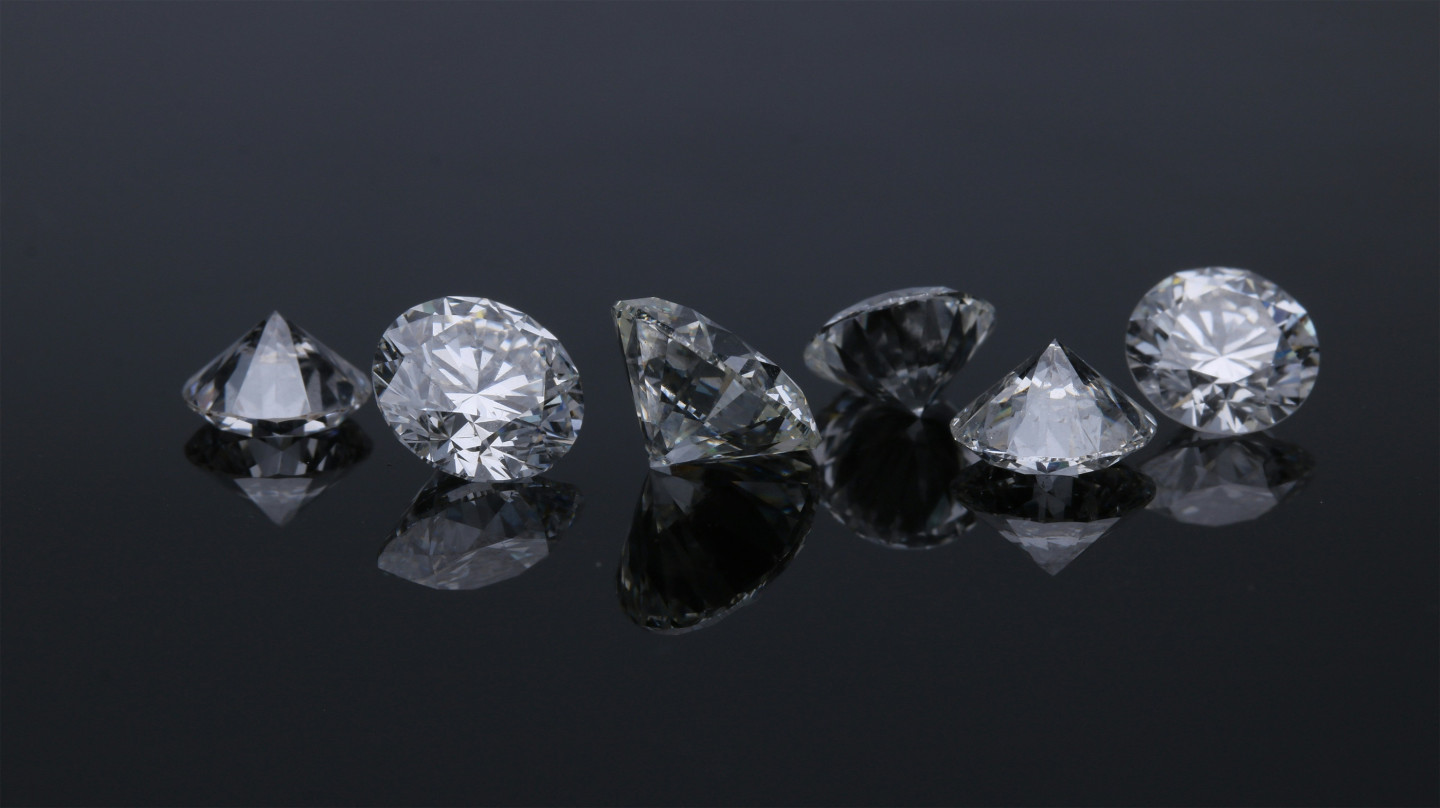
Scientists in Germany have shown in a laboratory that a powerful laser can turn plastic into nanodiamonds, extremely small diamond crystals. The experiment was carried out by researchers from the Helmholtz Centre Dresden and the University of Rostock, using thin PET film, the same material used to make water bottles. The finding could in future help produce nanodiamonds more cleanly and efficiently. The report is based on “Unian.net”, and the results were published in the journal “Diamond and Related Materials”.
How it works
The laser is fired at the film three times a minute. Each pulse creates a shock wave that compresses the material at about 100 gigapascals, nearly a million times atmospheric pressure. Within a few nanoseconds, carbon atoms rearrange and form diamond crystals. A single pulse can yield roughly ten trillion crystals, each about three nanometres across and made of around 3,000 carbon atoms.
Collecting the crystals proved harder than making them. They are ejected from the film at more than 10 kilometres per second and could be destroyed on hitting a hard surface. To prevent this, the team placed a soft gel behind the film to cushion the impact. The gel is then dissolved in water, leaving intact crystals. Lead author Ben Hoizer said that after many years of work the result was a special moment.
Possible uses
The research was originally launched to model conditions inside Uranus and Neptune, where scientists believe methane turns into diamonds under immense pressure. The new method could become an alternative to current production using explosives, which can leave metal impurities in the crystals that must be removed with acid. Nanodiamonds are already used for polishing surfaces, and the new technology allows atoms of other elements to be introduced into them. In future they could be used in quantum sensors and as contrast agents in magnetic resonance imaging.
Limitations
At present only three laser pulses per minute are possible, so the team is working on a new device capable of up to ten pulses per second. If that limit is overcome, plastic waste could eventually be used to make high-purity nanodiamonds.