Wired vs. wireless home internet: How to choose
Choosing between wired and fixed wireless (5G/4G) home internet depends on what's available at your address and your specific needs, as each option offers different tradeoffs in speed and ease of setup.
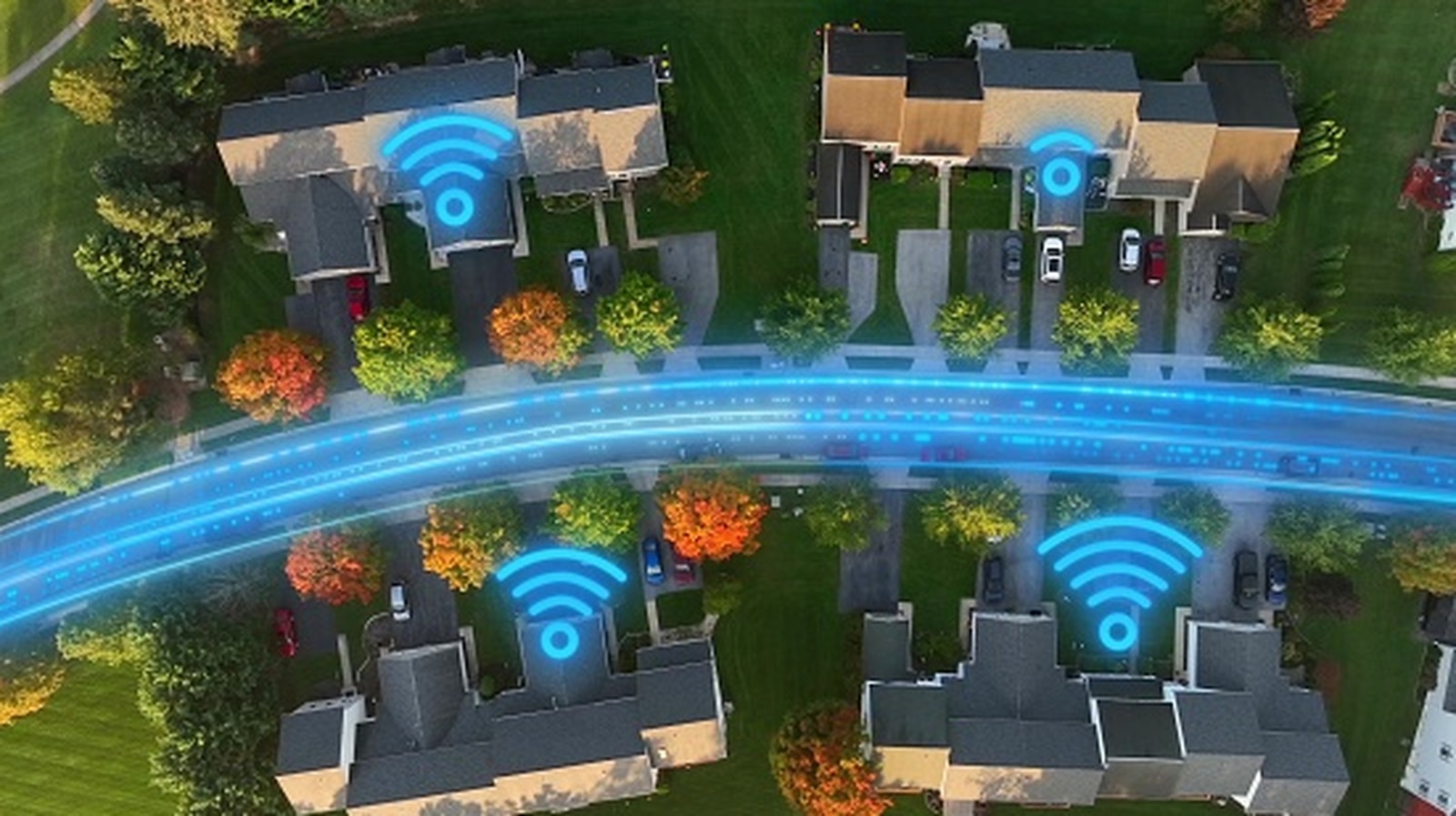
When picking home internet, it helps to separate two delivery methods: wired internet, which reaches your home through a physical line such as fiber, coaxial cable or DSL, and fixed wireless internet, which delivers the connection over a 4G LTE or 5G cellular network to a gateway inside the home. From a user's perspective, both work similarly afterward — the gateway distributes the connection to devices via Wi-Fi or Ethernet.
Speed isn't a simple comparison
Wired technologies vary widely — an old DSL line can be slower than a strong 5G connection, while fiber sets the highest performance ceiling and modern cable can also deliver fast speeds. Opensignal's April 2026 US analysis found that subscribers using fiber or cable for home broadband saw higher average download speeds than those using fixed wireless, though the gap narrowed significantly when measuring overall consistent quality, which factors in latency and packet loss alongside speed.
Current fixed-wireless plans show the category isn't necessarily slow: T-Mobile's Rely Home Internet typically delivers 170 to 354 Mbps downloads, AT&T Internet Air offers 90 to 300 Mbps, and Verizon's 5G Home Internet ranges from 25-85 Mbps on mid-band plans up to 300-1,000 Mbps on its fastest tier. None of these figures are guaranteed, since fixed-wireless performance depends on location and network demand.
Setup and availability matter
Fixed wireless has a practical edge in that it can often be self-installed, without waiting for a technician or new cable line. Still, availability is often the deciding factor for either option: wired service depends on infrastructure already reaching your address, while fixed wireless depends on carrier coverage and capacity in your area. In the US, the FCC's National Broadband Map lets users check which providers report service at an address, though it only reflects reported availability and advertised speeds, not actual performance.
The general takeaway is that competitively priced fiber, where available, typically offers the best mix of affordability and performance. But if wired alternatives are slow, costly or inconvenient to install, a solid fixed-wireless connection can be a better choice than opting for a wired line simply because it's wired.
/nginx/o/2026/09/17/17922745t1hf39e.jpg)