Are digital cameras still worth buying in 2026?
Despite how far smartphone cameras have advanced, digital cameras still offer real advantages for those willing to put in the effort, with options ranging from budget compacts to professional mirrorless systems.
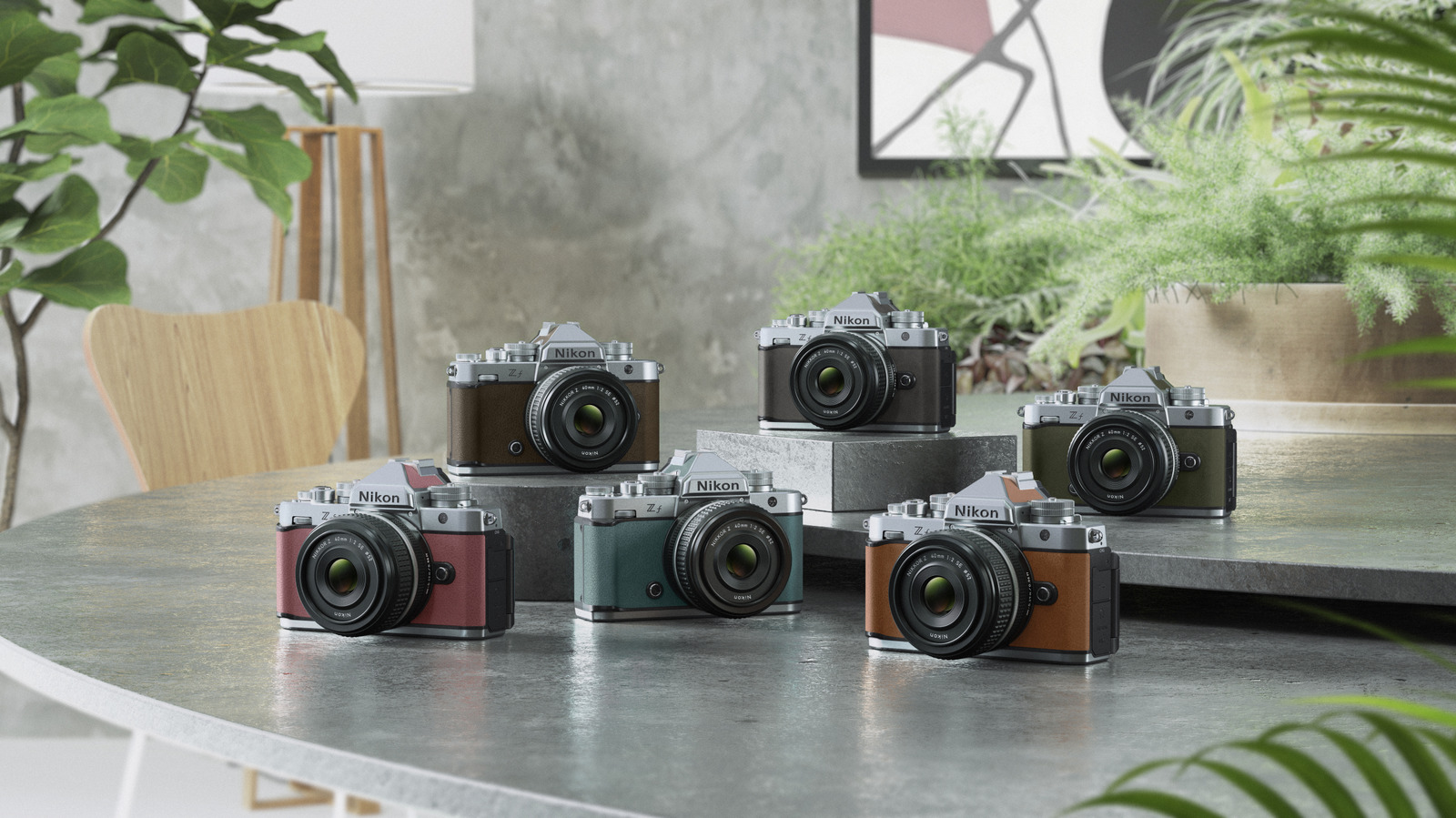
Smartphone cameras have become remarkably capable, but digital cameras still hold appeal for photographers willing to invest time and effort into getting better results and enjoying a more engaging hobby.
The category spans a wide range, from fixed-lens compact point-and-shoots to high-end mirrorless cameras with interchangeable lenses. Each price tier comes with its own trade-offs, but all offer more capability than a smartphone camera. For most people, a phone is enough for quick snapshots, but those seeking more control or intentionality over their images may find a dedicated camera worthwhile.
Price and options
Cost remains one of the biggest barriers, though budget options exist, such as Canon's EOS R100 at around $500, which uses a larger sensor to outperform similarly priced smartphones. At the higher end, cameras like Sony's A7R VI deliver high-resolution detail in demanding lighting conditions, the compact Sony RX10 V offers a 24-600mm zoom lens, GoPro's Mission 1 Pro is built for extreme sports, and Sony's ZV-E1 includes an articulating display and auto-framing for vlogging.
A key advantage over smartphones is sensor size, which captures more detail and allows for tighter crops and greater creative control. While some smartphones, including the iPhone's Portrait Mode and apps like Halide, offer added manual control, digital cameras still provide far more flexibility for shaping a photo's look, such as intentionally dark exposures or motion-blur effects.
Downsides to weigh
Top-tier mirrorless cameras can cost around $5,000, with lenses often costing even more. Even fixed-lens options like Canon's PowerShot or Sony's RX100 series run several hundred dollars. Unlike smartphones, which handle most editing automatically, digital cameras require offloading files to a computer and manually editing them, plus the added inconvenience of carrying extra gear.