Is it better to leave your smart TV in standby or unplug it completely?
Modern smart TVs typically enter standby mode rather than switching off fully, and this comes with several practical benefits. Experts explain why fully unplugging isn't always the better choice.
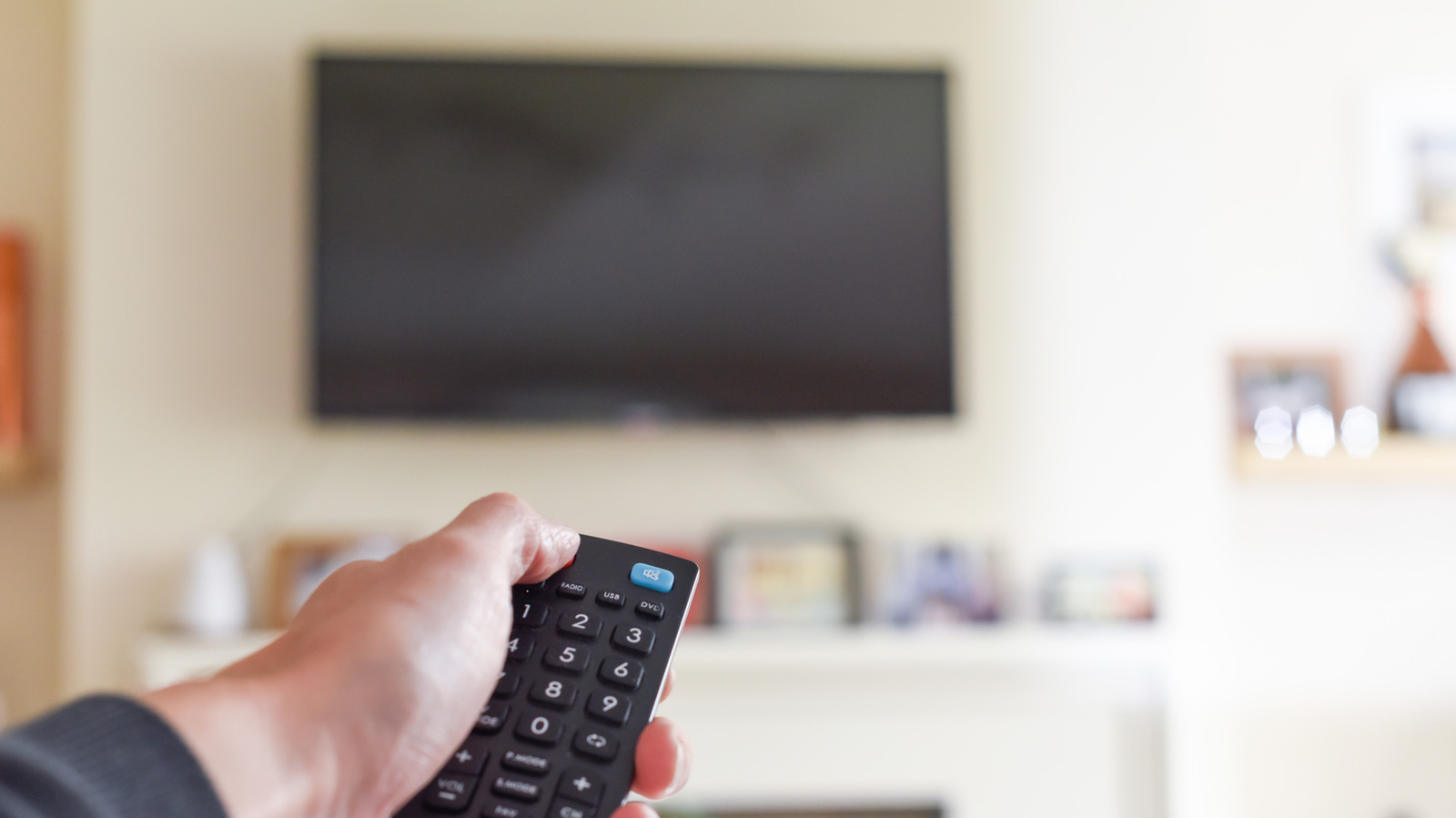
When you press the power button on a modern TV remote, the set usually doesn't switch off entirely — instead it enters a standby or deep sleep mode. In this state it draws only a tiny amount of power, but the benefits can outweigh what that small draw might suggest.
Faster startup and background updates
Today's smart TVs run full operating systems such as LG's WebOS, Google TV, Amazon's Fire TV OS or Roku OS. Booting these from a full shutdown can take several minutes, partly because TVs often use slower processors and storage than smartphones. Standby mode allows the TV to update its software and streaming apps like Netflix or YouTube in the background, so users don't have to wait through updates before watching content.
Why it matters for OLED panels
For OLED TVs, standby mode also supports panel maintenance. It's typically when an automatic compensation cycle, or pixel-refresh, runs to reduce the risk of image retention or burn-in. If a TV is repeatedly shut down or unplugged right after use, this process can't complete, which may lead to uneven wear on the display over time.
How much power standby actually uses
In the United States, ENERGY STAR-certified TVs are required to use no more than one watt in standby mode, and similar limits exist elsewhere under the so-called One Watt Initiative. Drawing one watt continuously for a year amounts to roughly 9 kWh of electricity, adding about $1.50 to a power bill. For extended absences, unplugging the TV is still a reasonable way to avoid even that small draw. Meanwhile, a full reboot can help if a TV becomes sluggish, since it clears background processes stored in memory.