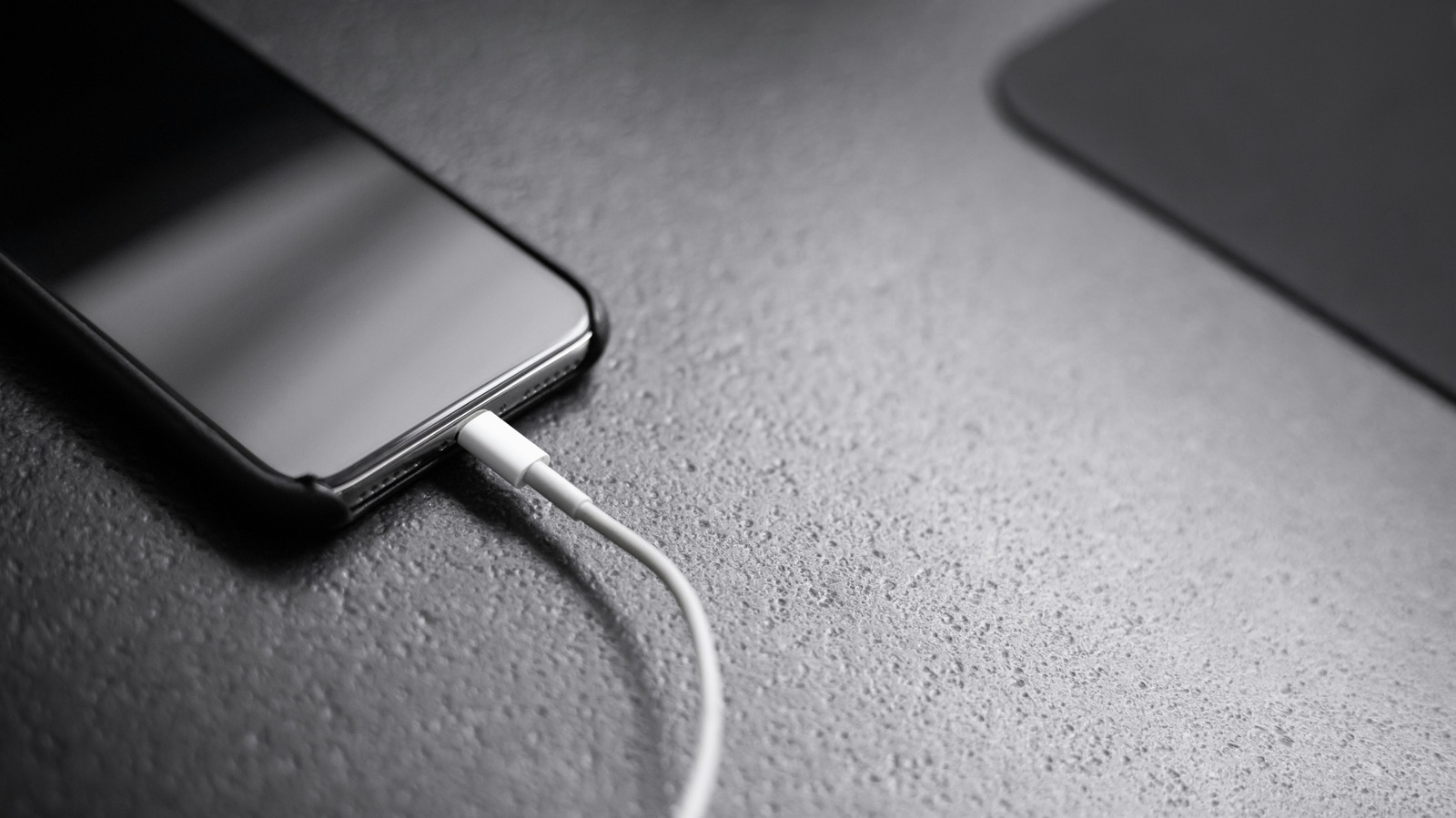
Is it safe to charge your phone with a laptop's USB-C charger?
Modern USB-C chargers use the Power Delivery standard, letting the phone negotiate exactly the power it needs, making cross-device charging generally safe. Risks mainly come from cheap, uncertified chargers and cables.
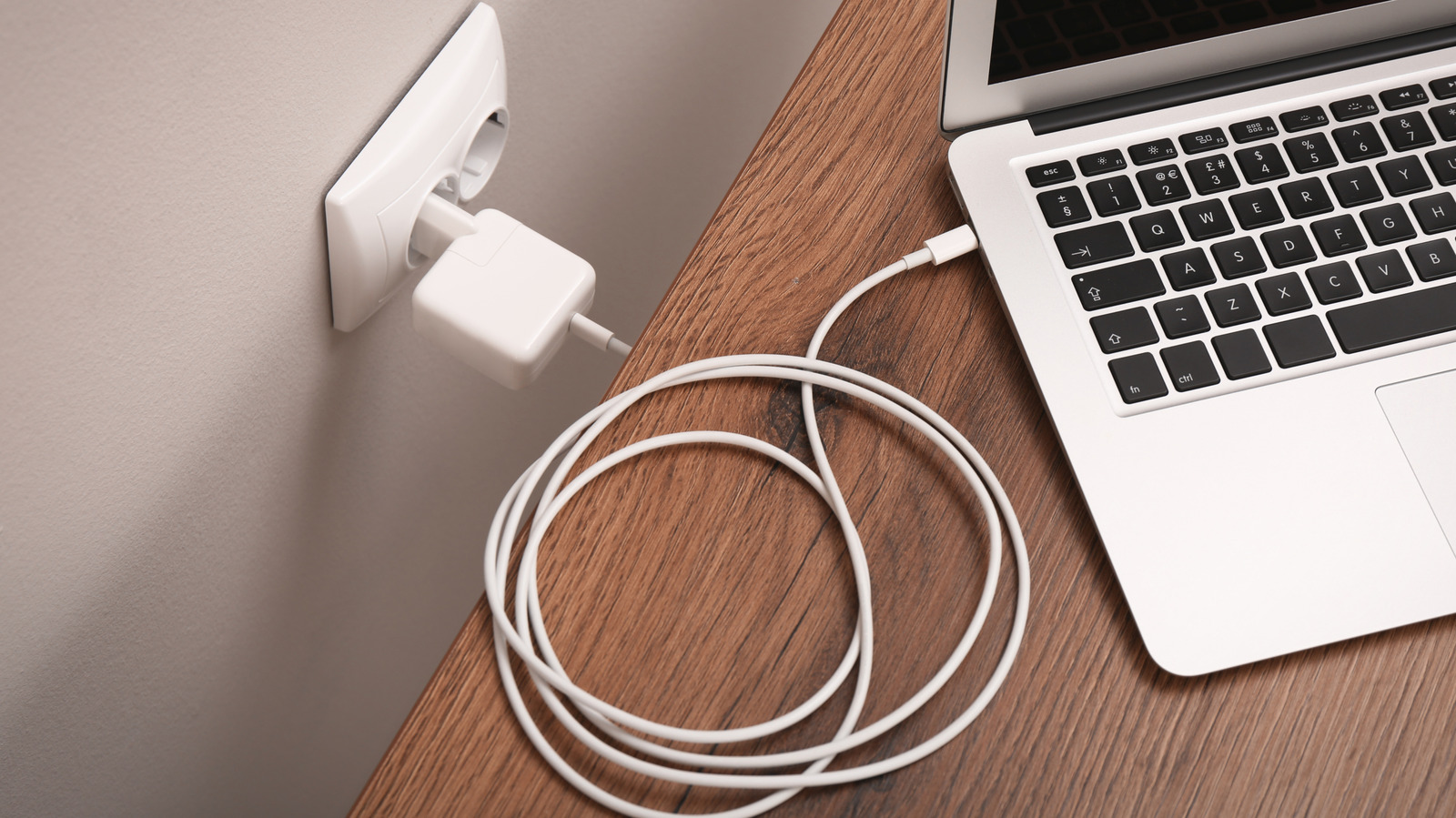
Many people have faced this situation: the laptop is fully charged and plugged in, while the phone's battery is running low, so the laptop charger gets unplugged and connected to the phone instead. Since both devices use USB-C, it raises the question of whether this is actually safe.
The short answer is yes. Modern charging standards are built to let chargers and devices mix safely. A USB-C laptop charger doesn't simply force its maximum output into a phone — charging is governed by the USB Power Delivery (USB-PD) standard, developed by the USB Implementers Forum, which allows the charger and device to communicate before any real power transfer begins.
How the negotiation works
Rather than the charger pushing power into the phone, the phone itself pulls exactly the amount of power it needs from the range the charger offers. Because of this negotiation, a high-wattage charger cannot damage a phone's internal circuits, since the device will never draw more than its components are built to handle.
When both charger and phone support USB-PD, this process happens automatically, making everyday use safe. This applies to most recent iPhones, Pixel and Galaxy devices, as well as MacBooks and most modern Windows laptops. If one device lacks USB-PD support, charging still works, just at a slower, safer rate.
Speed and potential risks
A more powerful charger can speed up charging if the phone itself supports higher input, but if a phone is capped at 18W or 20W, even a 100W charger won't charge it any faster — extra wattage on the label simply provides headroom for other connected devices, not extra speed for one.
The real risk comes from cheap, uncertified chargers and cables, which may lack proper safety components and could let damaging voltage spikes reach a phone. Before using any charger, it's recommended to check for safety certification marks such as UL, ETL or CE.