Is a bra really necessary? Experts explain what happens if you stop wearing one
More women are choosing to wear bras less often or not at all, and doctors explain how this affects the breasts and skin over time. Specialists stress that personal comfort, not fashion trends, should guide the decision.
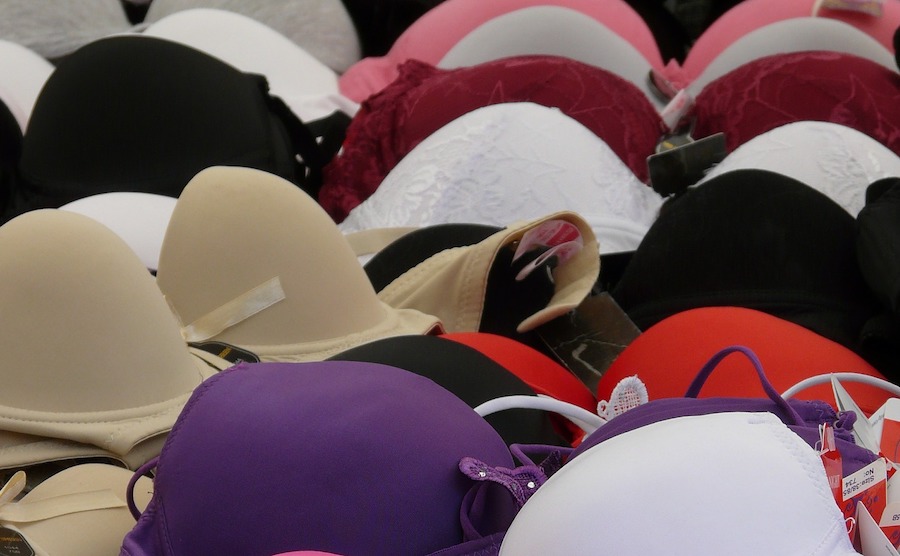
In recent years, more women have been choosing to stop wearing bras altogether or to wear them far less frequently. This shift has been driven partly by experiences during the pandemic, when many women embraced more relaxed clothing, as well as by the body-positivity movement and the example set by celebrities favoring a more natural style over rigid appearance standards.
What happens to breasts without support
Surgeons explain that breasts are made up of fatty and glandular tissue, with each breast weighing on average around 750 grams — a weight largely supported by the skin. Since skin's elasticity and supportive capacity decline with age, going without a bra can lead to more stretching, especially for larger breasts, potentially causing them to sag and stretch marks to appear. In rare, pronounced cases, the weight of the breasts can also affect nerves, altering nipple sensitivity. Specialists note that skipping a bra does not make breasts firmer — on the contrary, stretched skin combined with gravity can make breasts appear larger and lower. Skin's ability to support the breasts is also influenced by age, general health, fitness, hydration, smoking and sun exposure.
Comfort versus social expectations
Body-confidence coaches point out that many women wear bras not entirely by free choice but because of social expectations around looking tidy or professional. Going without one can be a way to feel more connected to one's own body rather than a rejection of underwear altogether. Still, there are practical considerations — without a bra, a warm, moist environment can form under the breasts, potentially causing skin irritation or infections, which is why a light, breathable cotton bra can sometimes help.
Choosing the right bra
For those who do wear a bra, it should be firm enough to support the breasts without pressing uncomfortably, properly separate and support them, and avoid causing discomfort from straps or underwires. A bra can be particularly helpful for women with back or neck pain linked to unsupported larger breasts. Experts note that the bra's history stretches back to antiquity, though the modern version emerged in the early 20th century. Ultimately, the choice remains up to each woman — the key is to listen to one's own body and choose what feels comfortable and confident.