Old USB cables can be reused instead of thrown away
Tech site Engadget suggests reusing old USB charging cables for household uses, crafts or recycling rather than binning them. Working cables can still charge devices, while damaged ones suit current-free projects.
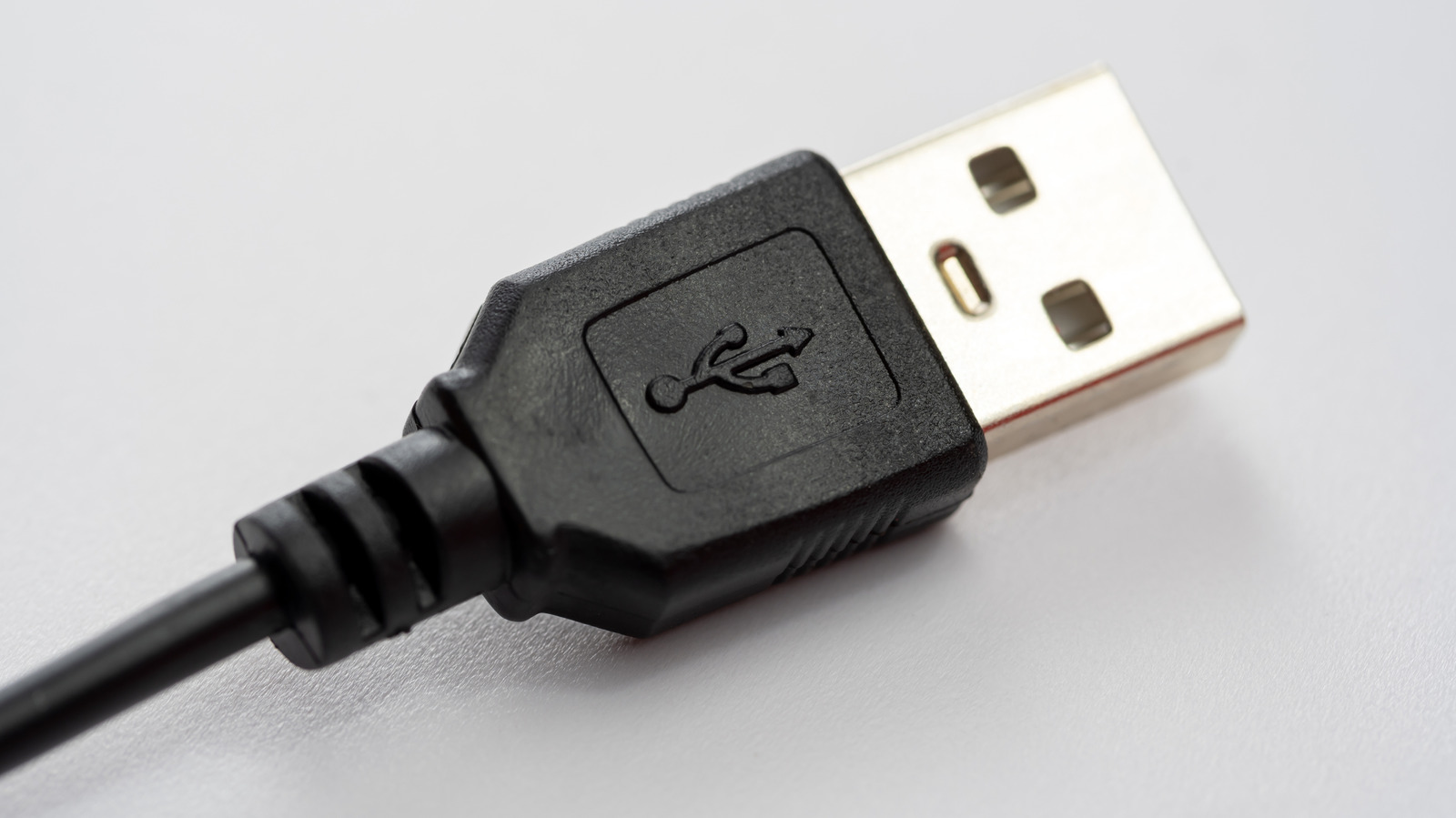
Tech site Engadget has published tips on what to do with old USB charging cables that pile up in drawers and boxes. They often accumulate after people upgrade a phone or stop using headphones, speakers or a printer. The article argues that a cable that no longer fits your newest device is not necessarily useless, and that reuse can help limit electronic waste.
Cables that still work
Before cutting any cable, the article advises testing whether it still conducts power. Working cables can be bundled near an outlet by a desk or kitchen counter and labelled by device type, so there is no need to hunt for a charger in another room. A separate set can be kept for travel, so a cable forgotten at an airport or hotel is no great loss. Such cables can also power small accessories, such as LED lights behind a monitor or in a dark corner. Simple sensor projects may require a soldering iron.
Damaged cables for crafts
Worn or frayed cables can still be used without electricity. The authors warn that using a frayed cable to conduct current may pose a fire risk, so extreme caution is needed. Once stripped, the copper strands are pliable enough to tie tomato vines to garden stakes. Intact cables can serve as plant hangers or picture supports, be coiled into coasters, or be used as drawer handles, keychain lanyards or zipper pulls. Other ideas include bracelets, wire art and sculptures.
Recycling
If a cable is truly beyond use, the article recommends recycling it. USB cables are made mainly of copper and plastics, which do not break down quickly in a landfill. The UN's Global E-waste Monitor 2024 found that the world generated 69 million tons of e-waste in 2022, and only 22.3 percent was documented as properly collected and recycled. The article's examples are from the US: retailers Best Buy and Staples accept old cables, often free of charge. Cables in good condition can also be donated to a local school or nonprofit that runs STEM programs.