Vance letter may be last chance to avert fresh US-Iran conflict
US Vice President JD Vance has sent a personal letter to the secretary of Iran's Supreme National Security Council offering to restart diplomacy. Iran is due to reply soon but is reluctant to make upfront, irreversible nuclear commitments.
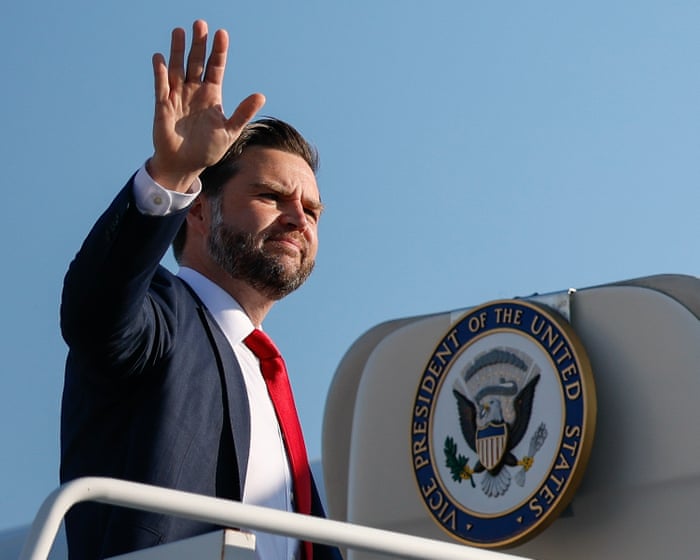
US Vice President JD Vance sent a personal letter on Sunday to Mohsen Rezaei, secretary of Iran's Supreme National Security Council, offering to restart diplomacy. Whether a major new conflict between the two countries can be avoided soon after Tuesday's US midterm elections may depend on Tehran's reply. The letter followed mediation led mainly by Qatar.
What the offer involves
Washington wants Iran to make nuclear commitments at the start of a process that would see the strait of Hormuz reopened within seven days, in return for US sanctions relief. A reply is expected shortly, but Iran is reluctant to give upfront, irreversible commitments, such as shipping its highly enriched uranium stockpile to a third country, if the US steps in return, including lifting sanctions on oil exports, can be reversed. A third-party guarantee has been discussed, with China often named as the only country with enough standing to underwrite it.
Iran's chief negotiator, Mohammad Ghalibaf, wrote on X that Iran's conditions have been clearly communicated to mediators and that progress is possible only once all seven are agreed. They include lifting sanctions, ending asset freezes and ending the war on all fronts, which would require an Israeli ceasefire in Lebanon. Tehran does not want to give up its bargaining leverage and resists the return of UN nuclear inspectors, fearing they could pass the US intelligence on the stockpile. It has proposed blending the uranium down so it can no longer be used for a weapon.
Why Rezaei
Washington judged that decision-making power lies with those closest to the Islamic Revolutionary Guards Corps. In practice Iran seeks consensus in a six-member top committee. Ghalibaf and Rezaei met supreme leader Mojtaba Khamenei last week to discuss the risk of a new war.
Criticism and doubts
Connecticut Democratic senator Chris Murphy, briefed on the US war plan, called it insane and warned of devastating escalation. Tehran trusts Vance slightly more than most White House figures, but doubts his standing after a 14-point memorandum of understanding he negotiated collapsed when other US officials took over its implementation.


