JD Vance says US-Iran memorandum of understanding is 'very general', many details to be negotiated
US Vice President JD Vance admitted that the US-Iran memorandum of understanding is a 'very general document', with specifics to be worked out during technical negotiations. Iran's foreign minister said ending the war on Lebanon is the most important issue in the deal.
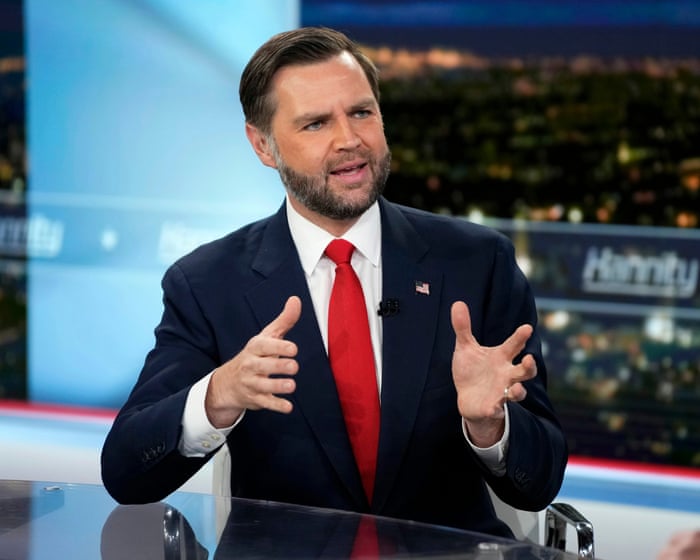
US Vice President JD Vance acknowledged on Monday that the memorandum of understanding (MoU) between the United States and Iran is a "very general document," with many details still to be hammered out in further talks. Speaking on CNN, Vance said the MoU is only about a page and a half long and lacks specifics on numerous issues, which will be addressed during the technical negotiation phase.
Meanwhile, Iranian Foreign Minister Abbas Araghchi stated that the first round of talks will cover the status of the Strait of Hormuz, the US naval blockade, and reconstruction, while later negotiations will focus on Iran's nuclear program and sanctions relief. Araghchi emphasized that the most critical element of the MoU is an immediate and permanent end to the war on all fronts, including Lebanon. He warned that any Israeli attack on Lebanon or continued presence on its territory would violate the agreement.
According to sources, the deal involves the release of $24 billion in frozen Iranian assets in four installments, contingent on Iran reopening the Strait of Hormuz and reaching understandings on nuclear talks. Iran's Mehr news agency reported that $12 billion would be released before negotiations begin. However, Vance denied that Iran would receive billions of dollars in assets as part of the deal, saying the figure does not appear in any texts discussed with the Iranians.
Vance also confirmed that International Atomic Energy Agency (IAEA) inspectors will return to Iran to help destroy its highly enriched uranium stockpile, a core part of the agreement.
Analysts note that while Israeli strikes on Lebanon have decreased since the framework deal, they are unlikely to stop completely. Israeli Prime Minister Benjamin Netanyahu said Israel will not withdraw from occupied Lebanese territory despite the ceasefire, while Hezbollah hailed the MoU as a "major achievement" and vowed to resist until full Israeli withdrawal.