Health Ministry again proposes raising alcohol purchase age to 20
Latvia's Ministry of Health proposes raising the age limit for buying and consuming alcohol from 18 to 20. The 14th Saeima rejected a similar idea earlier.
Latvia's Ministry of Health is proposing to raise the minimum age for buying and consuming alcohol from the current 18 to 20 years. The proposal is part of a report on the impact of restrictions set out in the Alcoholic Beverages Circulation Law, which the ministry has submitted for inter-institutional coordination. After that, the Cabinet of Ministers will decide on the changes, with the final word belonging to the Saeima, the Latvian parliament. The 14th Saeima previously considered a similar idea and did not support it.
The ministry's arguments
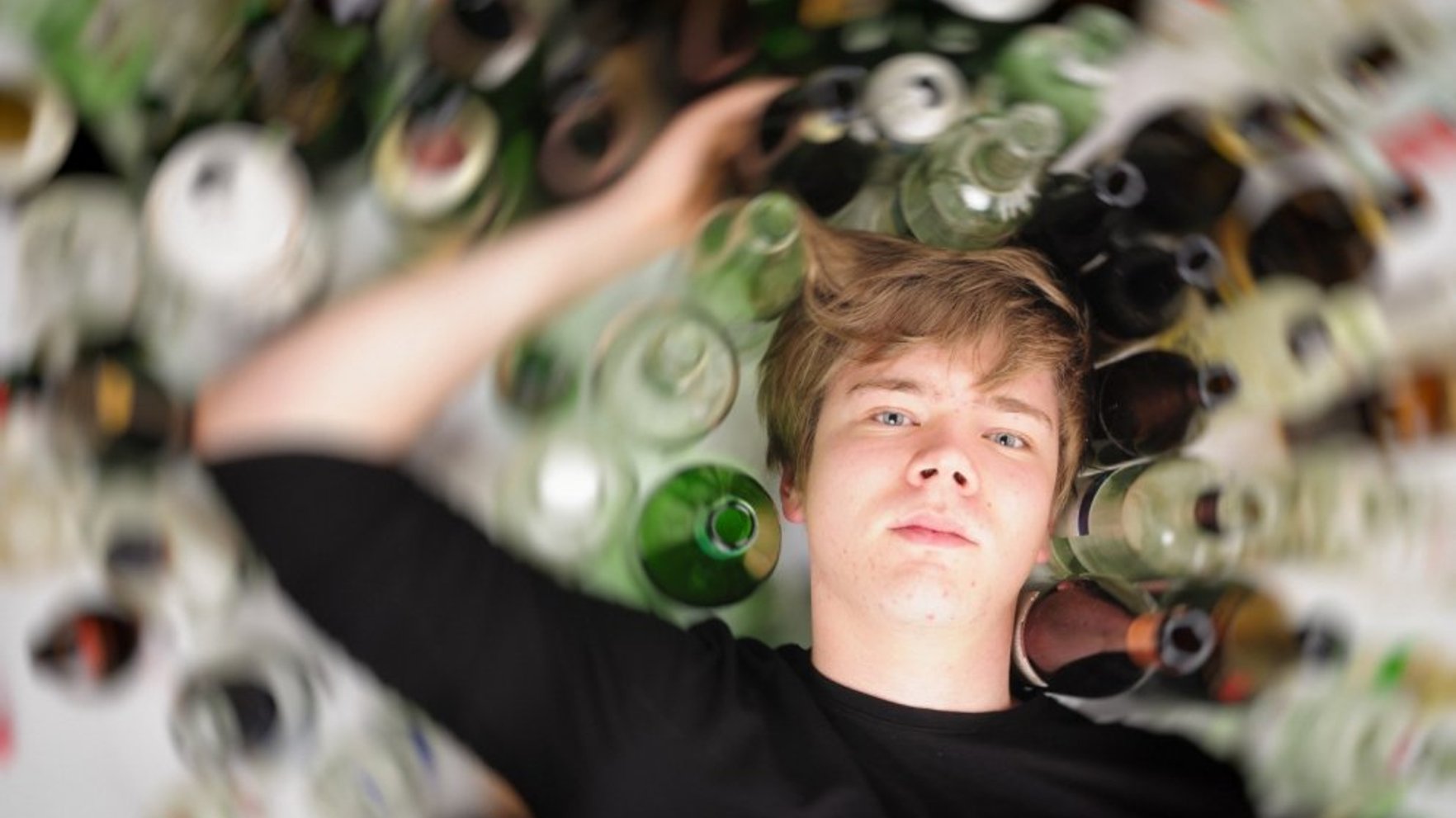
The ministry says alcohol use among teenagers in Latvia remains a significant public health problem. According to data from the European School Survey Project on Alcohol and Other Drugs (ESPAD), 30% of 15–16-year-old students in 2024 had consumed alcohol in the previous 30 days. The number of poisoning cases among 15–17-year-olds rose from 42 to 98 between 2022 and 2024, and the hospitalisation rate in the 15–19 age group is 6.3 times higher than in Lithuania.
The ministry considers a single age limit for all alcoholic drinks more justified than different rules for different drinks, since health risk depends on total ethanol intake, frequency and patterns of use. Such a threshold would also remove the gap with the purchase age for tobacco products, electronic cigarettes and similar items. The ministry cites studies from the US, Finland and Canada that link a higher legal purchase age with lower alcohol use among young people, fewer hospitalisations and lower mortality.
At the same time, the ministry stresses that raising the age limit is not a sufficient solution on its own. A comprehensive approach is needed, including effective age checks, pricing policy, limits on physical availability, and restrictions on advertising and sponsorship.
Earlier objections
When the 14th Saeima examined the matter, its Social and Employment Matters Committee wanted to raise the age, but the idea did not gain support. The Ministry of Economics objected at the time, arguing that 18–19-year-olds would be unable to study and work in hospitality and retail, or train as chefs, bartenders or sommeliers. It also warned that the restriction would affect foreign tourists under 20 and harm the tourism sector.
The Ministry of Economics proposed an alternative modelled on Sweden and Finland: allow alcohol sales from age 18 in restaurants and hospitality, while setting a threshold of 20 for online and shop sales.