Wessex Water CEO gets above-inflation pay rise despite bonus ban over sewage spills
Wessex Water CEO Ruth Jefferson received a 14% base salary increase, far above the 3.5% given to workers, despite a government ban on bonuses due to sewage spills. Her total pay reached £791,000, and she now earns 18 times the median employee salary.
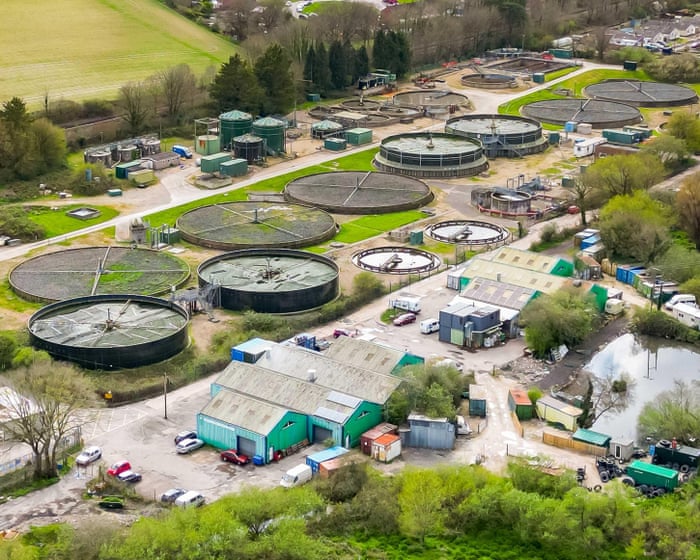
Wessex Water has awarded its chief executive an above-inflation pay increase even as the company was banned from paying bonuses because of sewage spills. Accounts published this month show that Ruth Jefferson received a 14% base salary increase in October, from £590,000 to £670,000, before other benefits. This is far above the 3.5% raise given to workers and puts her pay at 18 times the company's median employee salary.
Water industry executive pay has come under intense scrutiny amid public outrage over sewage spilling into Britain's rivers and seas, leading the government to introduce a bonus ban in 2025 for companies responsible for serious pollution or failing financial tests.
Malaysian-owned Wessex Water supplies 2.9 million customers in south-west England, including Bristol, Bath and Bournemouth. The company's report indicated it expected to fall foul of the bonus ban, particularly regarding environmental and operational metrics.
Jefferson's full pay packet for the year reached £791,000 once pension and other benefits were included. She had received £440,000 the previous year for six months while serving as chief compliance officer and then CEO.
Another water company, Anglian Water, awarded its CEO Mark Thurston a £500,000 retention payment despite the bonus ban. Anglian's parent company made the payment, claiming it was allowed because it was not performance-linked. The company said the payment did not replace bonuses and was funded from shareholder dividends to ensure Thurston's retention until January 2027.
Yorkshire Water also made similar payments from group companies, with CEO Nicola Shaw receiving £660,000 from parent company Kelda Holdings. The revelation drew strong criticism from local politicians and campaigners. Ofwat, the regulator, said it would force companies to disclose payments from other group companies. Yorkshire Water's board acknowledged the criticism and committed to full transparency in the future.