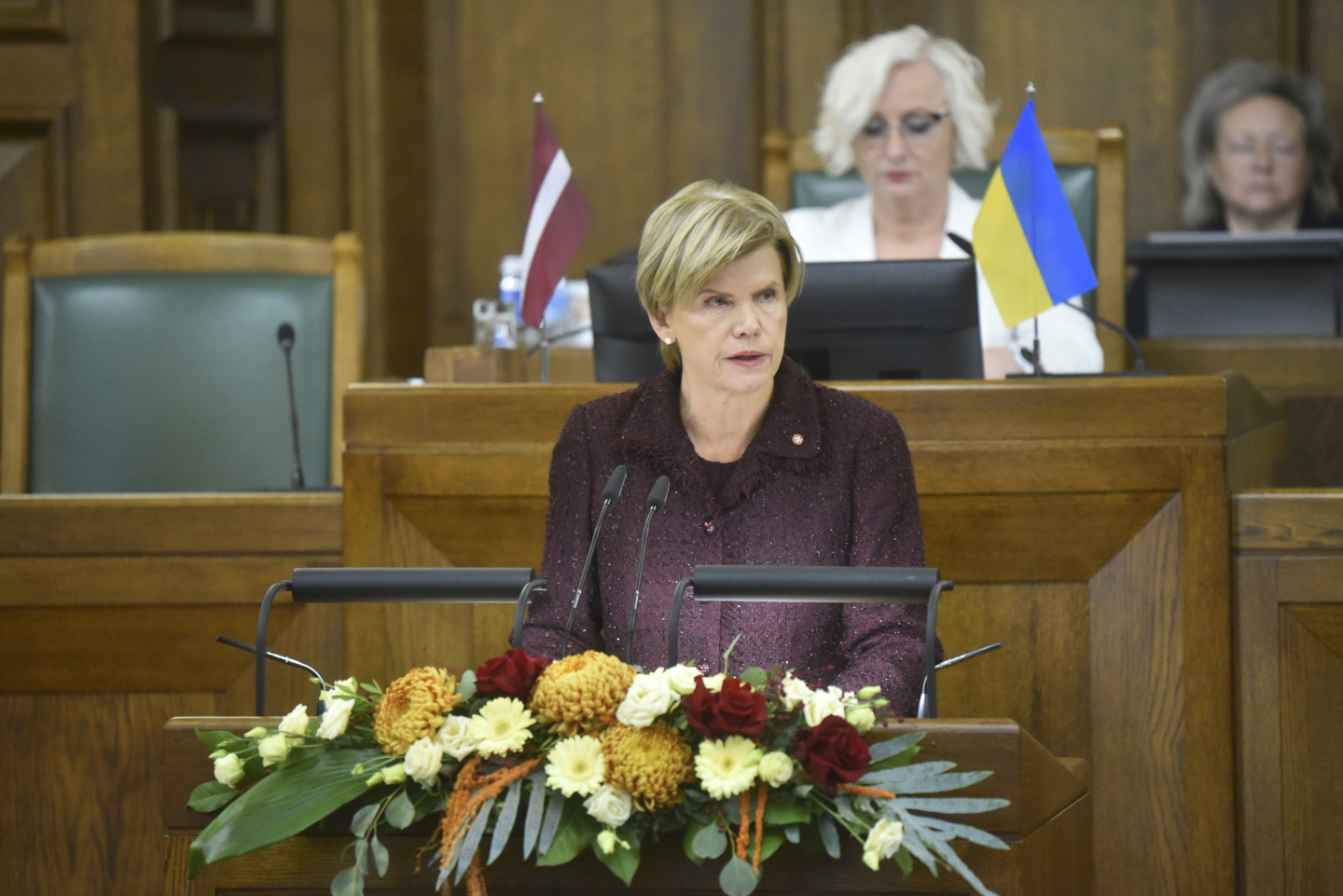
History Museum Director: Latvian History Research Not Part of State Strategy
Toms Ķikuts, director of the Latvian National History Museum, says efforts to sustain research and popularisation of Latvian history do not feel like part of a deliberate state survival strategy. He points to a lack of new specialists and insufficient funding in the cultural sector.
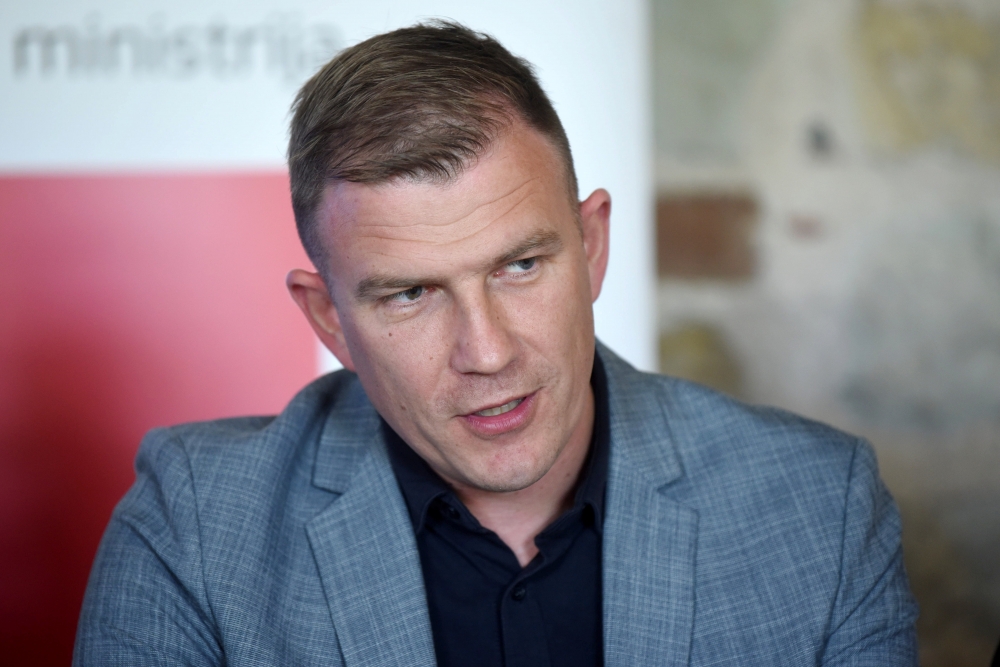
Toms Ķikuts, a historian and director of the Latvian National History Museum (LNVM), says in an interview with the portal LV portāls that efforts to maintain research and popularisation of Latvian history do not come across as part of a purposeful strategy important for the state's survival. The conversation took place in November, when Latvia marks 11 November, linked to the struggle for the state's survival, and 18 November, the date in 1918 when the state was proclaimed. Ķikuts argues that passing on knowledge is also a national security issue, because every generation must retell the nation's story anew.
Lessons of the War of Independence
Ķikuts believes that victory in the War of Independence owed not only to diplomacy, army growth and better provisioning of soldiers in 1919 and 1920. Society's trust in the ideals represented by Kārlis Ulmanis' Provisional Government, namely a democratic republic and agrarian reform, was also decisive. In his view, alongside arming and diplomacy, society's conviction that defending the state is worthwhile matters today, especially as propaganda is directed against Latvia.
He notes that part of society still lives with Soviet-era myths, for example about the First World War and the Latvian Red Riflemen.
Shortage of researchers and funding
Ķikuts explains that a single comprehensive history of Latvia is not being prepared mainly because there is no new generation of specialists covering every period. Academic science in many areas lacks continuity, which he links to a long-standing funding model. The museum is not a scientific institution under the law, but it conducts research, for example in archaeology, and its main task is studying its collections and explaining history to a wide audience.
Regarding the campaign “Kultūra [iz]dzīvo” (Culture [Sur]vives), he says pay in the cultural sector must be sufficient for young professionals to want to work in museums, libraries and archives, as the generation placed there in Soviet times is retiring.
Work with young people
The museum, the director says, chooses to create content for schoolchildren and families in person, since social media algorithms may not deliver the museum's material to young people. After Russia's full-scale invasion of Ukraine, the museum held public lectures on Ukrainian history.