Historians revisit how 17th-century chroniclers explained Khmelnytsky's uprising through omens
A new historical piece looks at how 17th-century chroniclers explained Bohdan Khmelnytsky's Cossack uprising and the victory at Pyliavtsi through omens and signs. The article also touches on how the battle shaped the later historical standing of both the Cossacks and the Poles.
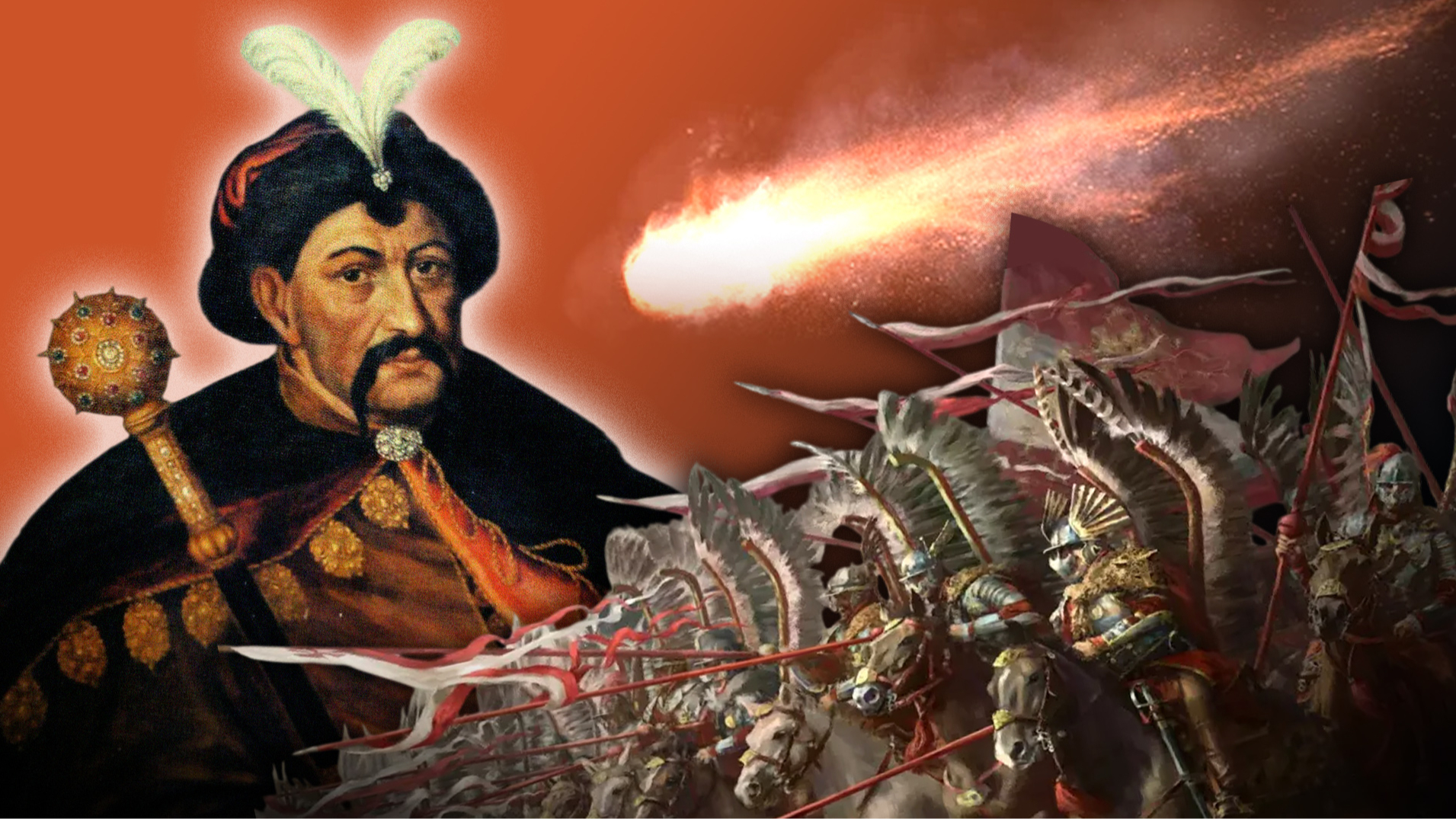
A newly published historical article examines the mid-17th century Cossack uprising led by Bohdan Khmelnytsky and how it was understood by chroniclers of the time. The piece highlights a recurring pattern in historical writing from that era: turning to signs and omens as a way of making sense of unclear or dramatic events.
Omens as an explanatory tool
According to the article, chroniclers writing in the second half of the 17th century, when reflecting on Khmelnytsky's uprising, settled on what was then a convenient religious-didactic answer - in any unclear situation, one should pay attention to omens. This reflected the broader mindset of the period, in which difficult-to-explain historical turning points were often linked to signs from a higher power.
The Battle of Pyliavtsi in historical memory
The article's title points to the Battle of Pyliavtsi, where Cossack forces defeated the Polish army. This clash marked a significant turning point in the course of Khmelnytsky's uprising and had lasting consequences for how both sides involved were later remembered in history. The piece encourages readers to consider this historical episode in a broader context, examining how contemporaries and later chroniclers approached the interpretation of these events.
The aim of such historical reflection is to help modern readers better understand how the historical memory of the Cossack uprising took shape, including the ways in which people of the time - and generations of chroniclers who followed - sought logical explanations for complex and unexpected turns in history.
/nginx/o/2026/03/27/17532432t1hdfc9.png)

/nginx/o/2026/09/24/17935382t1h0957.jpg)