Storm spares Valka and Smiltene area, but raises questions about emergency preparedness
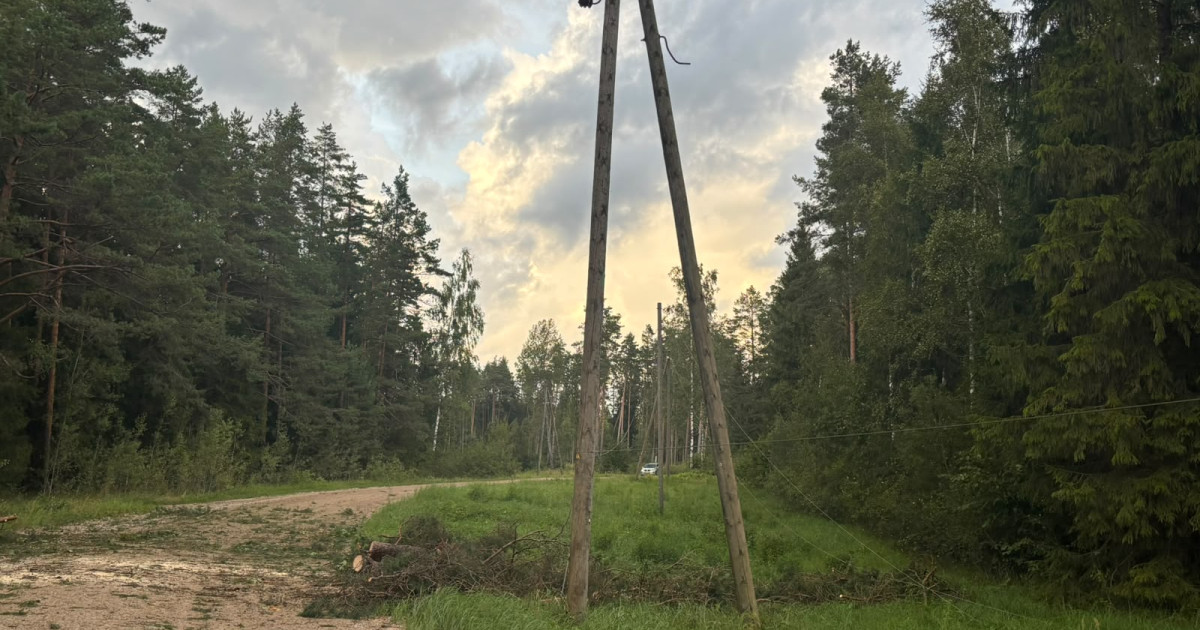
A recent storm caused relatively minor damage in the Valka and Smiltene region of Latvia, though it inflicted significant destruction elsewhere in the country, prompting questions about residents' readiness for power, water and communication disruptions. The author stresses that safety begins with taking warnings seriously and preparing in advance.
A recent storm that swept across Latvia largely spared the Valka and Smiltene area, causing relatively little damage there, though other parts of the country suffered considerable destruction. Ahead of the storm, emergency services issued strong warnings urging people to stay indoors and prioritize their safety, and several public events were cancelled or postponed as a result.
One notable case was a concert by singer Inese Galante at the Dzintari Concert Hall in Jūrmala, which had to be halted mid-performance after pine trees in the area began to break, endangering the audience. While some attendees were frustrated by their disrupted plans, the incident highlights a broader dilemma: whether it is better to cancel events preemptively for safety reasons or risk dealing with the consequences afterward.
A matter of attitude
The article's author argues that weather warnings are often dismissed as something that applies to others rather than oneself, and it is only after damage occurs — a fallen tree, a power outage, a cancelled event — that people complain about not being warned, even though warnings had in fact been issued.
Dependence on electricity
The storm also exposed how heavily households depend on electricity, from charging phones to cooking meals and pumping water, since many homes rely on electric water pumps. When shops are also closed, it raises the question of whether households have adequate food and drinking water reserves for emergencies.
The author urges readers not to treat such risks as distant hypothetical disasters but as realistic situations that could occur at any time. Practical suggestions include keeping phones charged, checking flashlights, stocking drinking water and food, and planning in advance for extended power outages. The piece concludes that safety depends not only on the work of emergency services but also on each individual's willingness to heed warnings and prepare ahead of time.