VID Director: Retreat from Shadow Economy Plan is a Bad Signal
The Director General of the State Revenue Service, Baiba Šmite-Roķe, states that several measures from the Shadow Economy Restriction Plan have been canceled, potentially increasing the shadow economy. Currently, 28 out of 56 tasks have been completed.
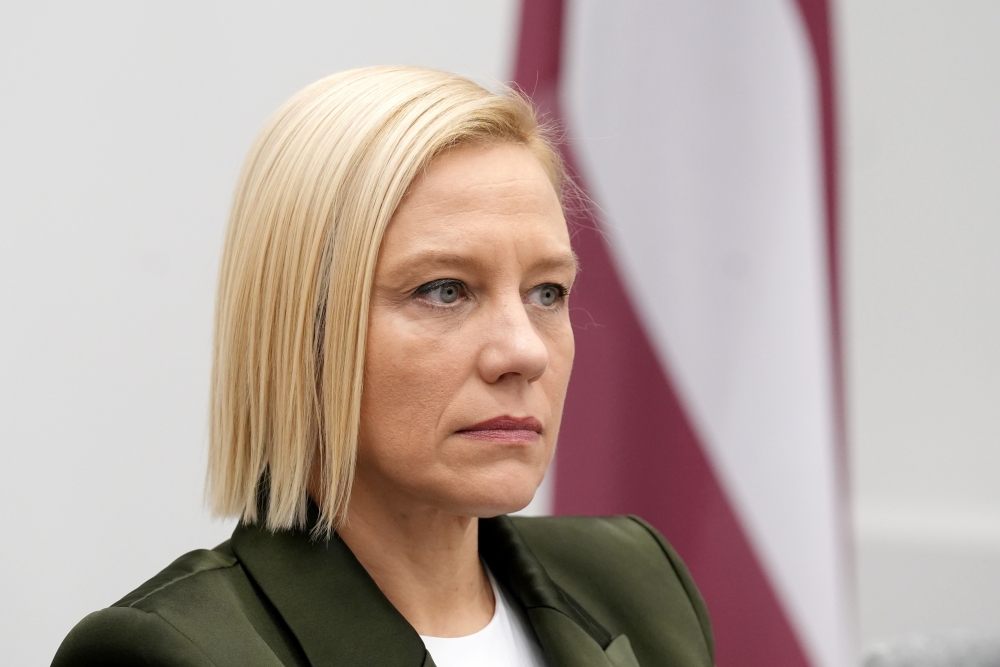
According to Baiba Šmite-Roķe, the Director General of the State Revenue Service (VID), only half of the measures included in the Shadow Economy Restriction Plan for 2024–2027 have been implemented so far. Although the Cabinet of Ministers had approved the plan, several initiatives have been revoked, which she considers a bad signal to society and could lead to a rise in the shadow economy.
The latest data from the Stockholm School of Economics in Riga shows that the shadow economy in Latvia in 2025 accounts for 21.8% of GDP, with nearly half consisting of envelope wages. The highest share of the shadow economy remains in the construction sector at 29.5%.
Šmite-Roķe notes that the Saeima Budget and Finance Committee has reviewed amendments to the Micro-Enterprise Tax Law, introducing a simplified tax regime for individuals. Under the proposal, individuals with an annual turnover of up to €25,000 could register with VID and pay a 10% tax without traditional accounting procedures. However, following objections from partners, the threshold was reduced to €12,000. VID supports these amendments as they could encourage legal work.
The plan originally included making non-cash wage payments the primary method, but the Ministry of Welfare stalled this legislative initiative. Additionally, the requirement to declare the source of financing in the Construction Information System has been canceled. Šmite-Roķe agrees with expert Arnis Sauka that this is a step backward.
The VID Director General points out that using auditor opinions in annual reports can help uncover dishonest companies. Currently, auditors have flagged 30 companies, and this information will be considered. The number of suspicious transaction reports from financial institutions has also increased – by 36% in 2025 compared to 2022.
Šmite-Roķe emphasizes that retreating from planned measures may increase the shadow economy by removing control mechanisms from state institutions. She urges politicians to support initiatives that promote fair competition and tax compliance.