Hurricane Isaias hits US Gulf coast as millions face evacuation orders
Hurricane Isaias made landfall on the US Gulf coast on Friday night as a category 2 storm. Florida, Georgia and Alabama declared states of emergency, and millions of people were ordered to evacuate.
Hurricane Isaias struck the northern US Gulf coast late on Friday, 9 October, as a category 2 storm with sustained winds of 105 mph (about 170 km/h). Millions of residents in several states, including Florida, Georgia and Alabama, were placed under evacuation orders, and all three states declared states of emergency. It is the first hurricane of an Atlantic season that has started unusually late.
What forecasters expect
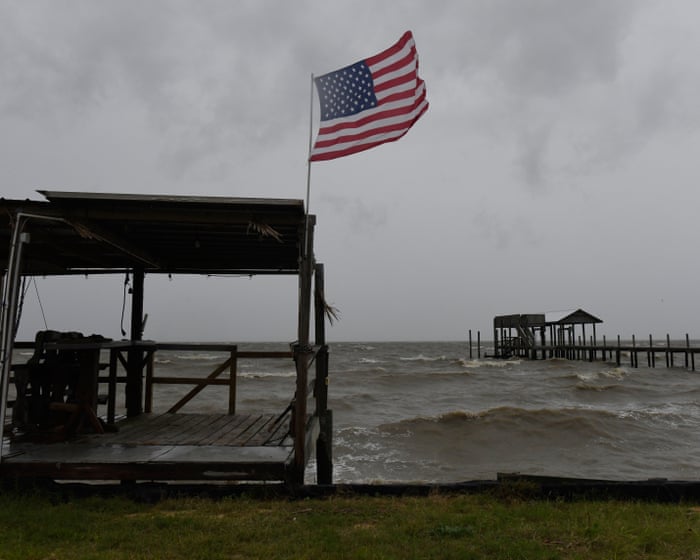
The US National Hurricane Center warns of a life-threatening storm surge (a rise in sea water that floods the coast) and devastating winds across the Florida Panhandle and Alabama coast. Up to 9ft of surge is forecast between Dauphin Island, Alabama, and Indian Pass, Florida. Rainfall of 4–8in is expected, locally up to 15in (380mm), with significant flash and river flooding likely in southern Alabama, the Florida Panhandle and south-western Georgia. Hurricane-force winds could reach as far as 100 miles (160km) inland, and tornadoes are possible.
Preparations
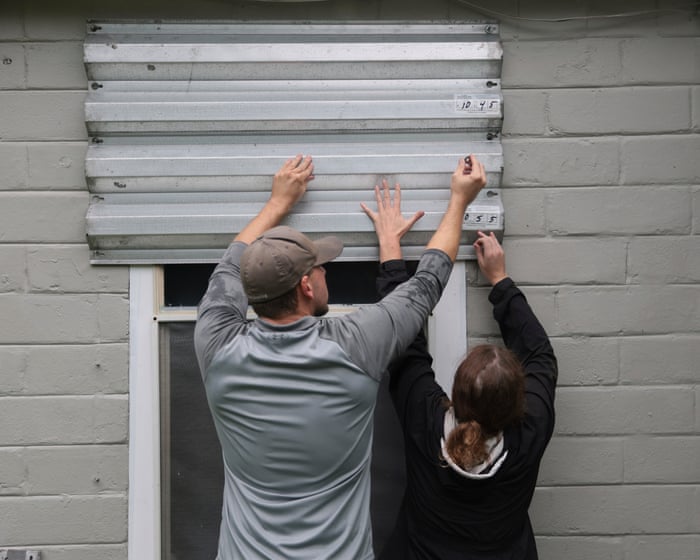
Shelters have opened across Florida, Louisiana, Alabama and Mississippi, supported by more than 370 American Red Cross disaster workers. About 5,000 National Guard troops were expected to mobilise in Florida, where at least four school districts cancelled classes. Oil and gas producers shut down a significant share of offshore Gulf production, which accounts for almost 15% of annual US crude output.
Why the season is late
The Atlantic hurricane season runs from 1 June to the end of November. The El Niño climate pattern is a factor in this year's quieter season: it warms Pacific waters but increases wind shear over the Atlantic, which can disrupt tropical storms before they become hurricanes. The previous hurricane to hit the US was Milton, which made landfall on 9 October 2024.
A test for FEMA
The storm is a key test for the Federal Emergency Management Agency (FEMA) after staffing cuts under the Trump administration; about 17% of its workforce left in fiscal year 2025. FEMA says its incident management teams are deploying to Alabama and Florida and supplies are being positioned at Maxwell air force base in Alabama.

/nginx/o/2026/10/10/17965539t1h8cb5.jpg)