Wave of false emergency calls in Poland targets opposition and president's family
In May, Poland experienced a wave of hoax emergency calls targeting opposition figures and the family of President Karol Nawrocki. Experts suggest possible hybrid warfare links, but detained youths may have acted for personal reasons.
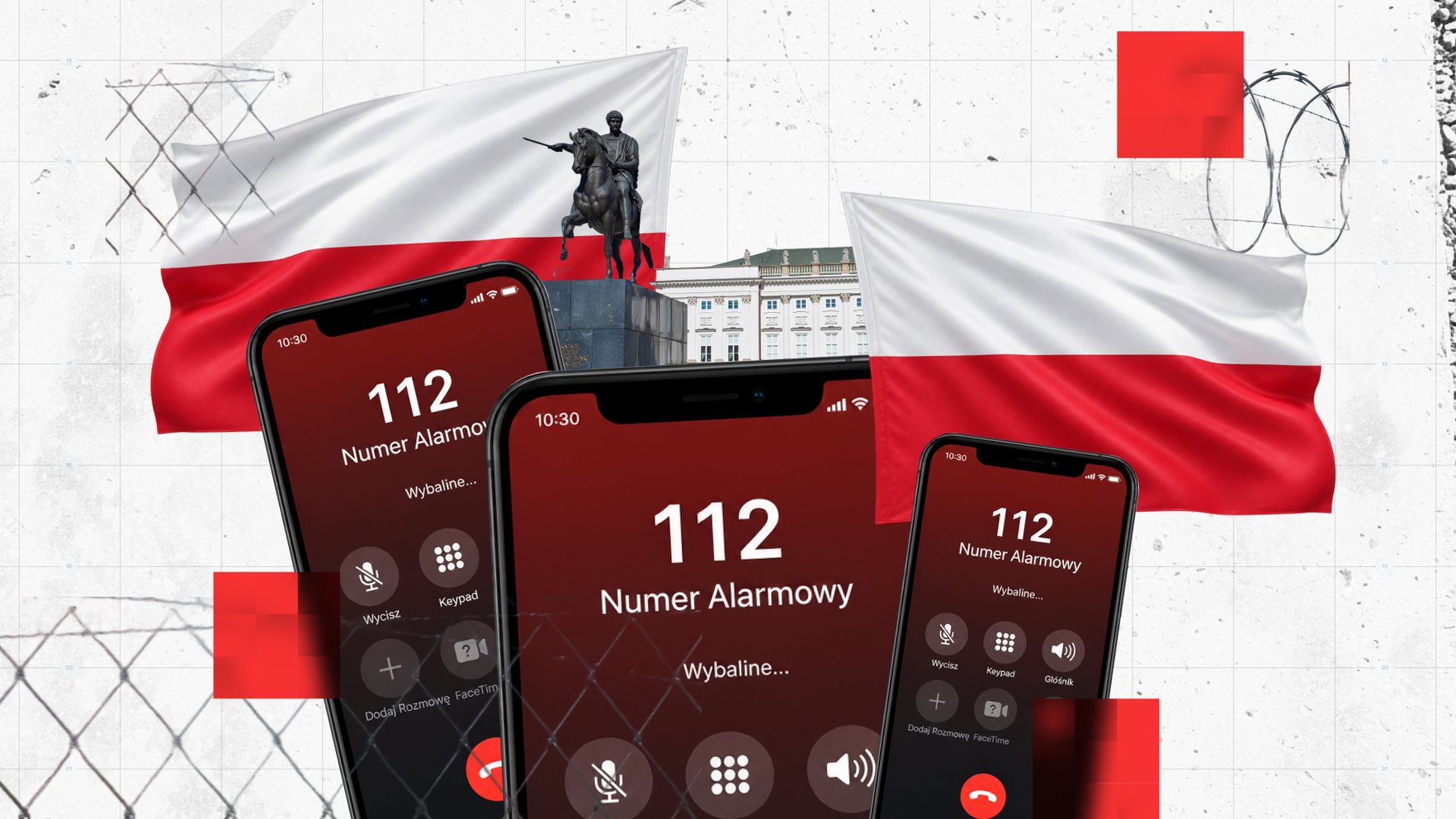
Poland saw a series of false emergency calls in May, primarily directed at opposition members and the family of President Karol Nawrocki. The incidents, which included bomb threats and reports of fires, have raised concerns about a coordinated campaign aimed at destabilizing society and undermining trust in state institutions.
Timeline of incidents
On May 13, police and firefighters responded to a bomb threat at the editorial office of the conservative TV channel "TV Republika," which proved false. The next day, a report of an assault at the same location was also fabricated. In the following days, hoax calls targeted journalists and management at their homes, with reports ranging from a "terrorist in the bathroom" to suicide threats.
On May 15, police arrived at the apartment of TV Republika editor-in-chief Tomasz Sakiewicz, briefly handcuffing his assistant. On May 17, Law and Justice (PiS) party leader Jarosław Kaczyński's property was searched after a false report of a bomb in the garden. The most serious incident occurred on May 23, when emergency services broke into President Nawrocki's mother's apartment in Gdańsk following a fake fire alarm.
Reaction and investigation
Prime Minister Donald Tusk convened a security meeting on May 24, calling the incidents a "telephone provocation" and vowing to use all means to find the perpetrators. Right-wing politicians, including Kaczyński, accused the government of incompetence, while Interior Minister Marcin Kierwiński rejected these claims and emphasized the ongoing intensive investigation.
By the end of May, five people had been detained, mostly young men aged 20-21. Two were charged with 33 counts, including participation in an organized group using emails and the Tor network. A lawyer was also arrested separately, but his case is not linked to the main campaign.
Expert analysis
Analysts note that the hoax campaign fits the pattern of Russian "active measures" aimed at creating information chaos and eroding public trust. However, Tusk stated that the detained youths likely acted for fame or personal satisfaction, not political reasons. Researcher Konrad Ciesiołkiewicz explained that such groups often operate online, with members motivated by a desire for chaos and status within the group.
The Polish authorities continue to investigate whether foreign actors, such as Russia or Belarus, were involved in orchestrating the campaign.