Washington Post: Iran Used Starlink in War Against US Forces
The Washington Post reports that in the first days of the war Iran used SpaceX's Starlink satellite internet to run its forces and one-way attack drone operations. The Pentagon says it is not aware of any such Central Command report.
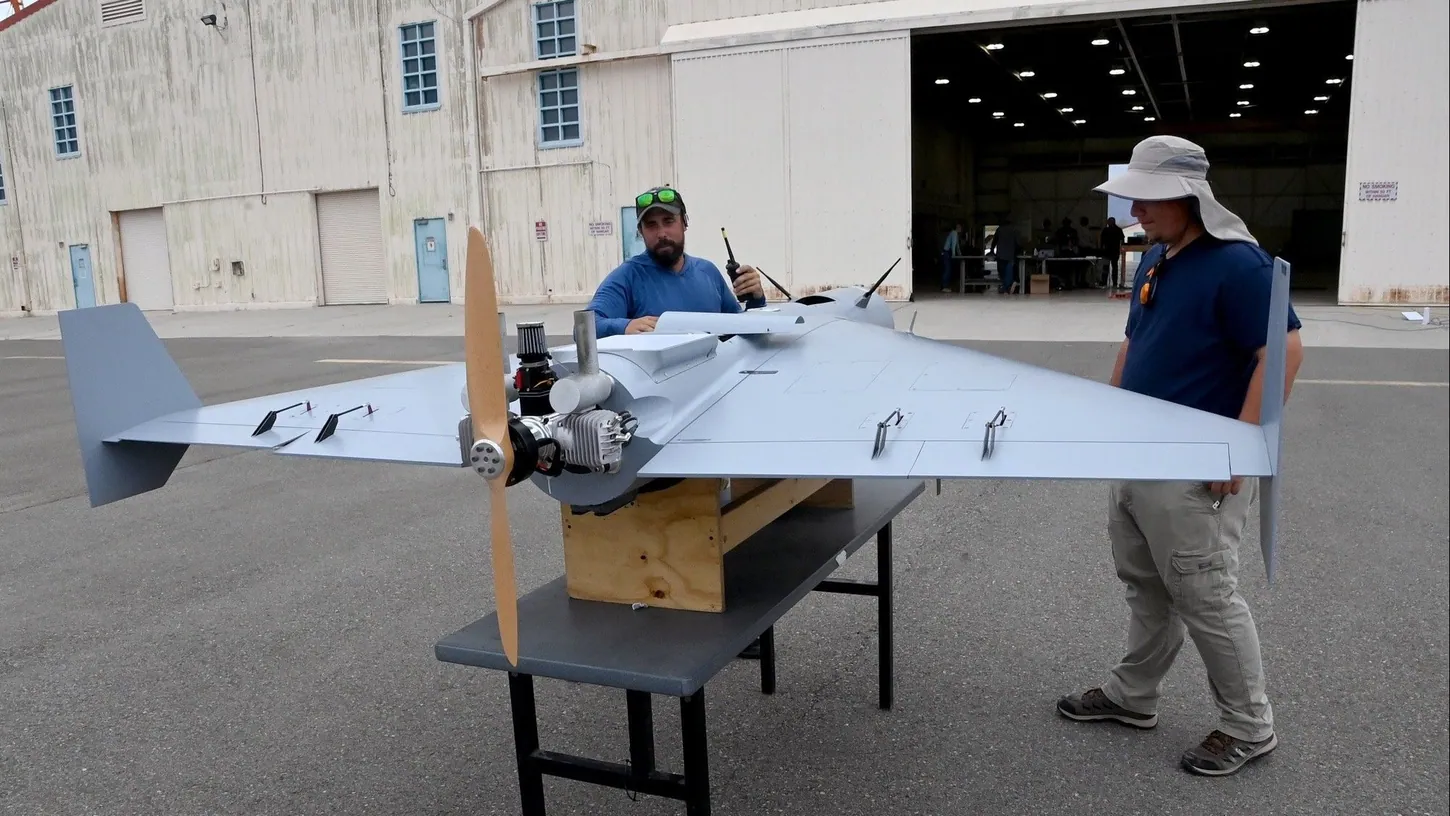
Iran used SpaceX's Starlink satellite internet service, owned by Elon Musk's company, to run military operations against U.S. forces in the first days of the war that began on February 28, The Washington Post reported on November 28, citing four people familiar with the operations. The story raises the question of how far commercial satellite services can end up in an adversary's hands, and how they can be restricted.
What the sources say
One person familiar with a classified U.S. Central Command update given to Defense Secretary Pete Hegseth this summer said it described Iran using Starlink for command and control and to oversee one-way attack drones. On March 1, an Iranian drone killed six U.S. soldiers at Port Shuaiba in Kuwait. The paper does not report that Starlink was used in that attack; Central Command declined to say, and the Pentagon has not released its investigation findings.
Pentagon spokeswoman Kingsley Wilson said officials are not aware of such a report sent to Hegseth's office, and she declined to say whether Iran used Starlink.
SpaceX's response
Two people familiar with SpaceX's internal discussions said Musk was enraged in the first week of March to learn of two unauthorized uses of the service. One was Iran's. The other was the U.S. military flying its LUCAS one-way attack drones on Starshield, the military version of Starlink, under a cheaper plan meant for ground use. Reuters reported in May that the Pentagon ultimately agreed to pay more, nearly doubling the cost of a drone from about $30,000.
Within hours of the Port Shuaiba strike, SpaceX imposed identity checks on Starlink in aircraft traveling faster than 100 mph (161 km/h). According to one source, at least two SpaceX executives were fired by the end of that week. The company also required resellers to verify each customer's identity.
Analysts told the Post that SpaceX could switch off any terminal detected inside Iran but probably does not, because dissidents and ordinary Iranians depend on the service.


