Wi-Fi 6 vs Wi-Fi 7: Which one makes sense for your home network
Wi-Fi 7 offers faster speeds and better performance in crowded networks, but limited device support means Wi-Fi 6 and 6E remain a reasonable choice for many households.
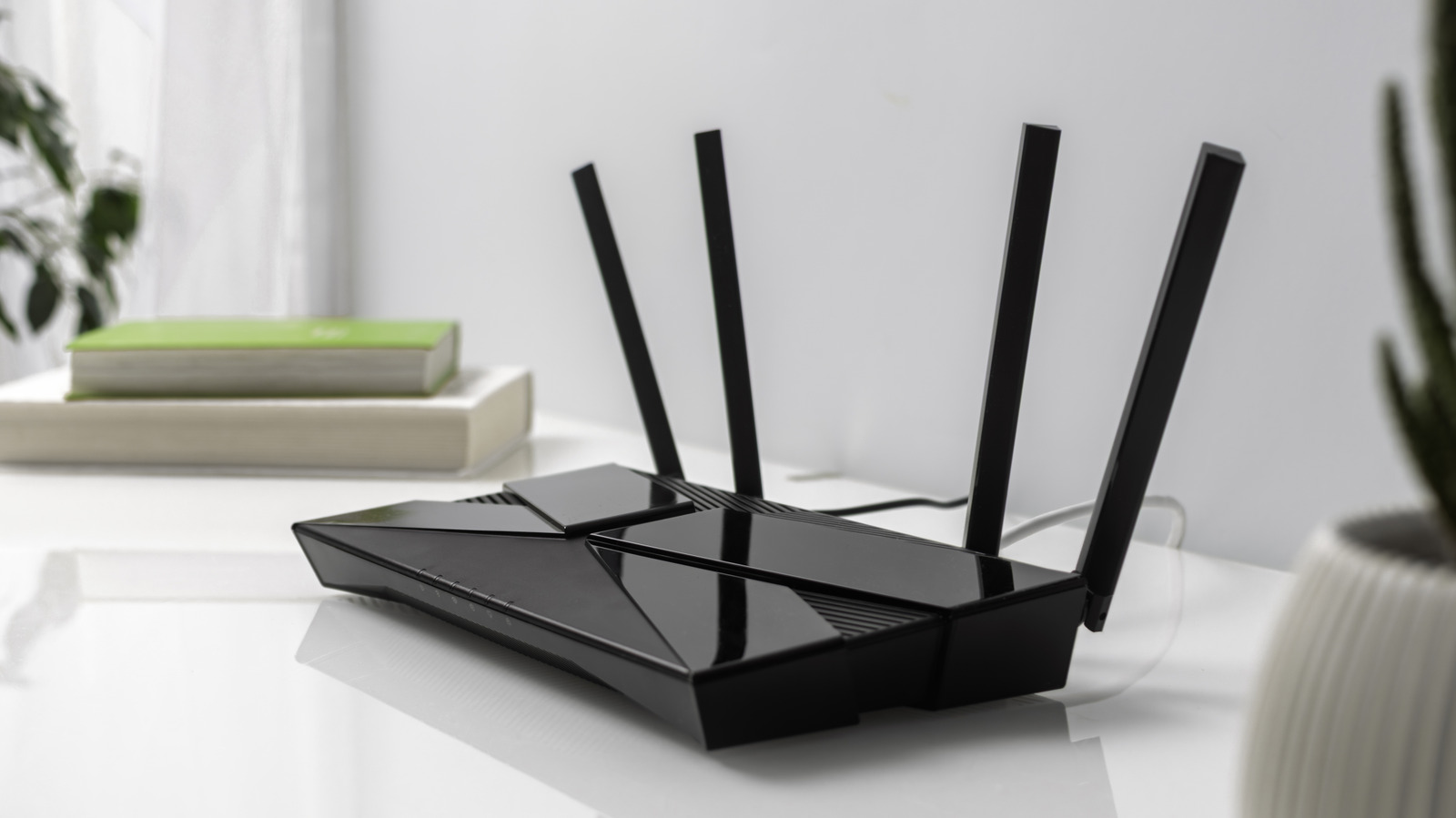
Since the Wi-Fi Alliance introduced Wi-Fi 7 in early 2024, routers and devices supporting the standard have become increasingly common. The new standard remains backward compatible, so older gadgets will still connect without issue — though they won't be able to tap into newer features such as 4K-QAM modulation or Multi-Link Operation (MLO).
Is upgrading to Wi-Fi 7 worth it
Tri-band Wi-Fi 7 routers can theoretically reach speeds up to 46 Gbps, as much as five times faster than Wi-Fi 6E. Real-world results, however, depend heavily on your internet plan and the number of connected devices. Testing has shown that Wi-Fi 7 routers hold a stronger signal over longer distances, and that tri-band models significantly outperform dual-band ones. MLO allows a router to send and receive data simultaneously across the 2.4 GHz, 5 GHz and 6 GHz bands, while 320 MHz channel widths — double what Wi-Fi 6E offers — boost data rates, which helps when multiple devices stream or download 4K or 8K content at once. Independent testing has found that implementation of these features varies inconsistently between devices, and cheaper models often skip support for the 6 GHz band, 320 MHz channels, or full MLO functionality.
Does Wi-Fi 6 still hold up
For anyone upgrading from Wi-Fi 5, Wi-Fi 6 or 6E still represents a meaningful improvement, since 6E's extra 6 GHz band with wide channels performs reliably in a typical home even with several connected devices. Wi-Fi 7 adoption is also held back by limited hardware support — Apple's iPhone 17 lineup supports the standard, for instance, but without 320 MHz channel support it performs essentially the same as on a Wi-Fi 6 router. Sony's PlayStation 5 Pro also supports Wi-Fi 7, though users haven't reported major download speed gains. Anyone who does opt for Wi-Fi 7 should time the purchase with devices that fully support it. Wi-Fi 8 is expected to arrive in 2028.