WSJ Op-Ed on Kyiv's Drone Dome Pitches a Remedy Its Author Sells
The head of German company FibreCoat, Robert Brüll, urges NATO in The Wall Street Journal to study Ukraine's electronic warfare 'dome' over Kyiv and offers metal-coated materials as protection. His own firm sells such materials, and he concedes they cannot fully stop jamming.

The Wall Street Journal published an opinion piece on November 12 telling NATO to study the electronic warfare "dome" that Ukraine has built over its capital, Kyiv. The author, Robert Brüll, runs the German company FibreCoat, and the remedy he suggests, lightweight metal-coated materials for shielding military electronics from jamming, is the kind of product his firm sells. The newspaper's short author bio describes FibreCoat only as a German advanced-materials company.
The Kyiv dome
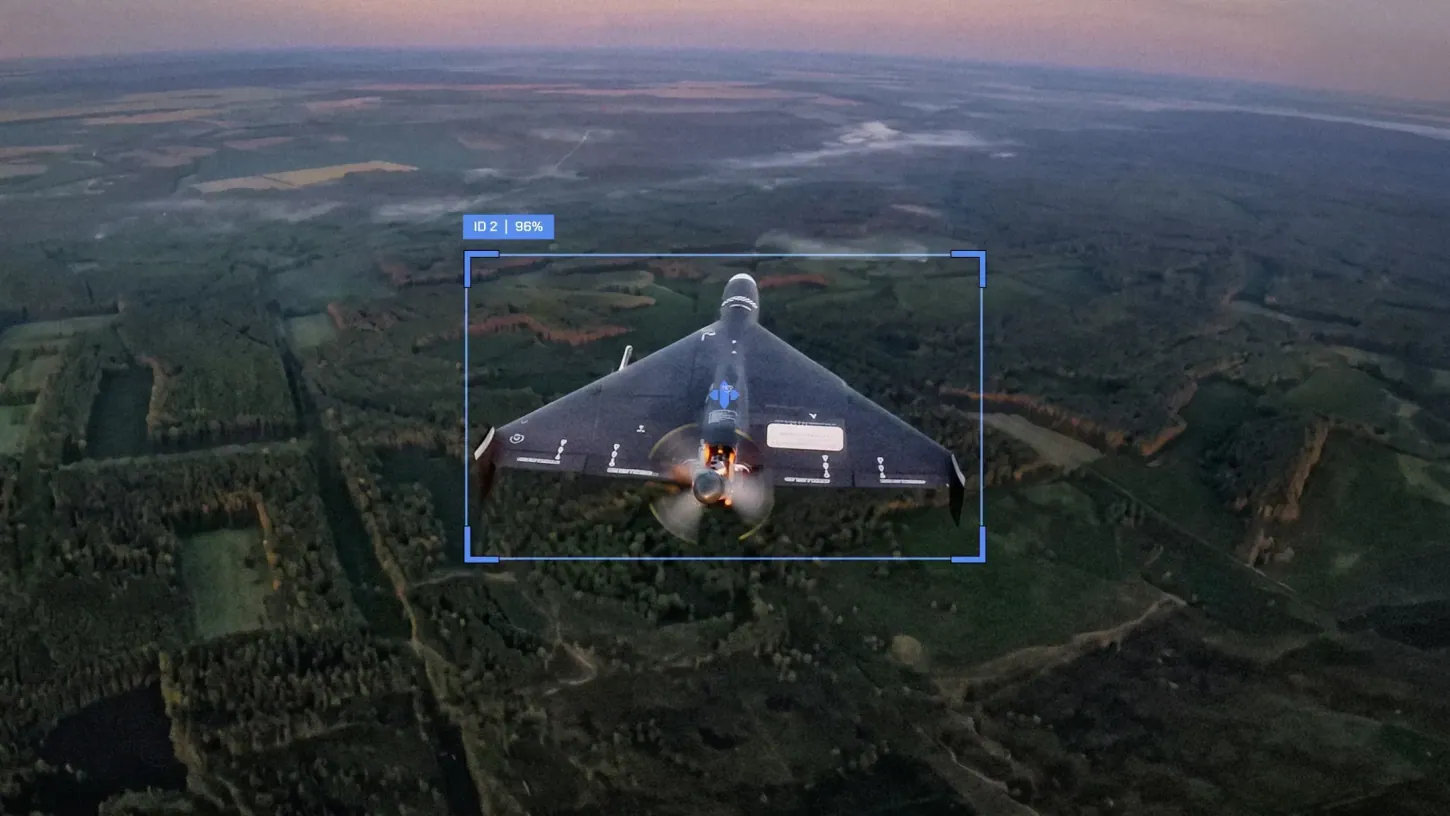
The dome was announced on November 2 by Serhii Beskrestnov, a Ukrainian presidential adviser known as Flash. It is a citywide jamming network aimed at remotely controlled Shahed drones. Beskrestnov wrote that Russian operators steer jet-powered Shaheds from Russian territory through a mesh radio modem on each drone. Ukraine built the dome in a few weeks, placing antennas and equipment at many hundreds of locations across Kyiv. He said it "forced the adversary to pause, modernize the Shaheds, look for other solutions." That result rests on Beskrestnov alone: his post gives no count of jammers and no figure for drones stopped.
Brüll's proposal
Brüll writes that jamming cuts both ways, since Ukrainian and NATO forces depend on the same radio signals they disrupt. He offers lightweight shielding made by coating fibers with metals. FibreCoat's flagship product, AluCoat, is a basalt or glass fiber sheathed in aluminum. Brüll co-founded the company in Aachen in 2020 and is its CEO. The op-ed does not name FibreCoat or AluCoat.
The author concedes that shielding cannot fully stop an enemy from jamming the signals an operator needs, though it can protect the electronics inside vehicles and equipment. He also recommends that drones be tested alongside jammers.
DroneXL's editor argues the piece reads as a product pitch attached to someone else's news, and that NATO planners should read Beskrestnov's post first.