Gut bacteria may reduce risk of autism and ADHD, study finds
Researchers have found that certain gut bacteria acquired in infancy may protect against autism and ADHD, offering potential for early dietary or probiotic interventions.
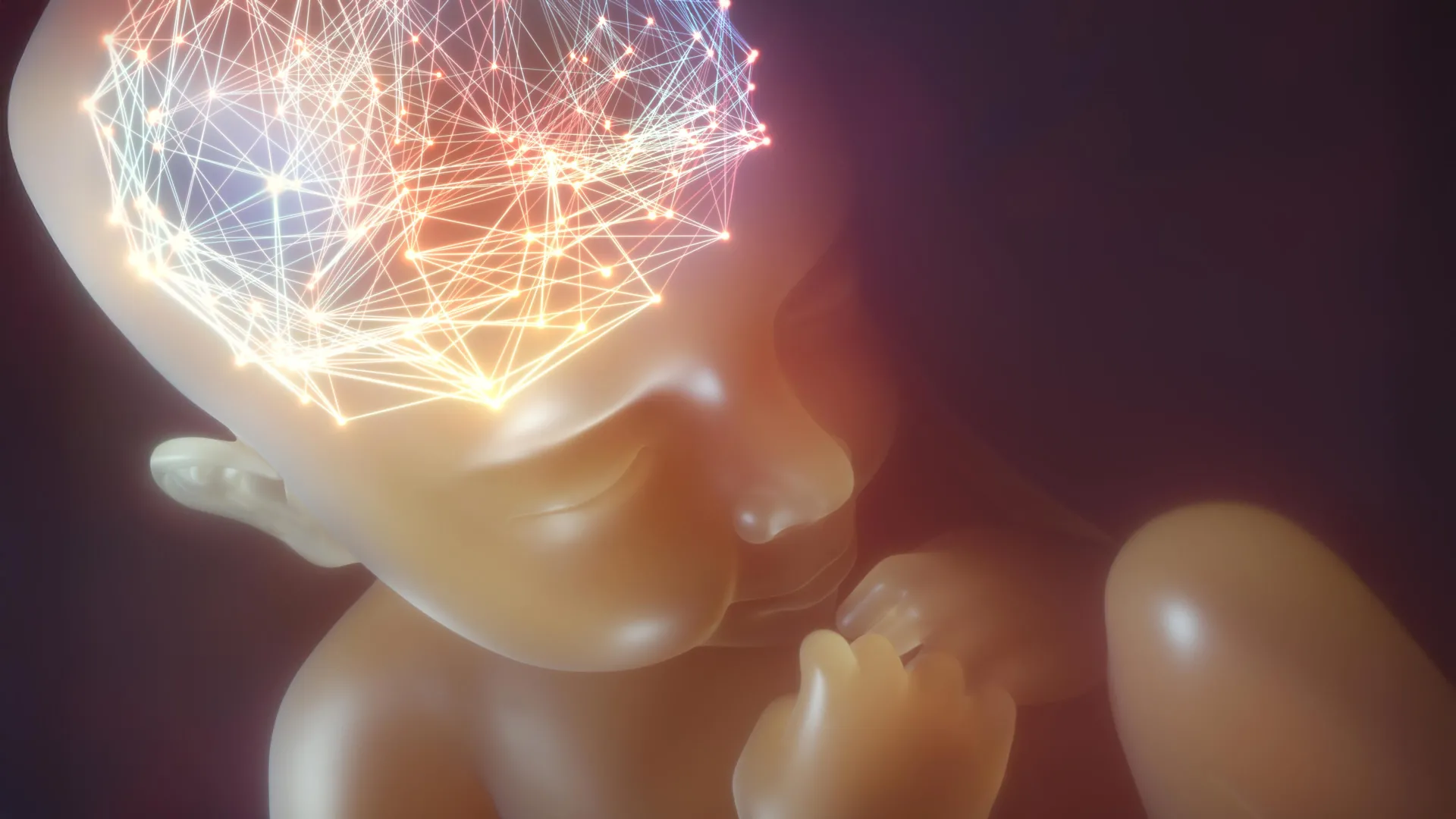
A new study published in Cell Press Blue reveals a link between epigenetic changes at birth, gut microbiome development, and later neurodevelopmental outcomes. Scientists at The Chinese University of Hong Kong analyzed DNA methylation patterns in umbilical cord blood from 571 infants and gut microbiome samples from 969 infants at 2, 6, and 12 months of age. When the children reached 36 months, behavioral assessments were conducted to identify signs of autism spectrum disorder (ASD) and attention-deficit/hyperactivity disorder (ADHD).
The study found that factors such as delivery method, pregnancy length, having older siblings, and maternal allergies influenced epigenetic patterns at birth. Infants born by cesarean section showed distinct DNA methylation in genes related to immune function and brain development. The infant microbiome was shaped by delivery method, antibiotic exposure, older siblings, and breastfeeding.
Epigenetic patterns at birth affected how the gut microbiome evolved: infants with higher methylation in immune-related genes tended to have less diverse microbiomes by 12 months. Notably, the research identified a protective role for certain bacteria. Children with epigenetic patterns linked to ASD were less likely to show signs of the condition if they had Lachnospira pectinoschiza in their gut during infancy. Similarly, those with ADHD-linked patterns showed lower risk if they had Parabacteroides distasonis.
"The foundations for brain health are laid very early, even before birth," said co-senior author Hein Min Tun. However, he emphasized that the findings do not mean a child's developmental path is fixed. The team plans to continue following the children and conduct further lab studies. The ultimate goal is to develop safe early interventions, such as probiotics, to support a healthy gut microbiome and potentially reduce neurodevelopmental challenges.