Dried Fruit: A Healthy Snack, but High in Sugar and Calories
Dried fruit contains fibre and minerals, but drying also concentrates sugar and calories. Nutrition guidance recommends limiting a portion to about 30 grams and choosing products with no added sugar.
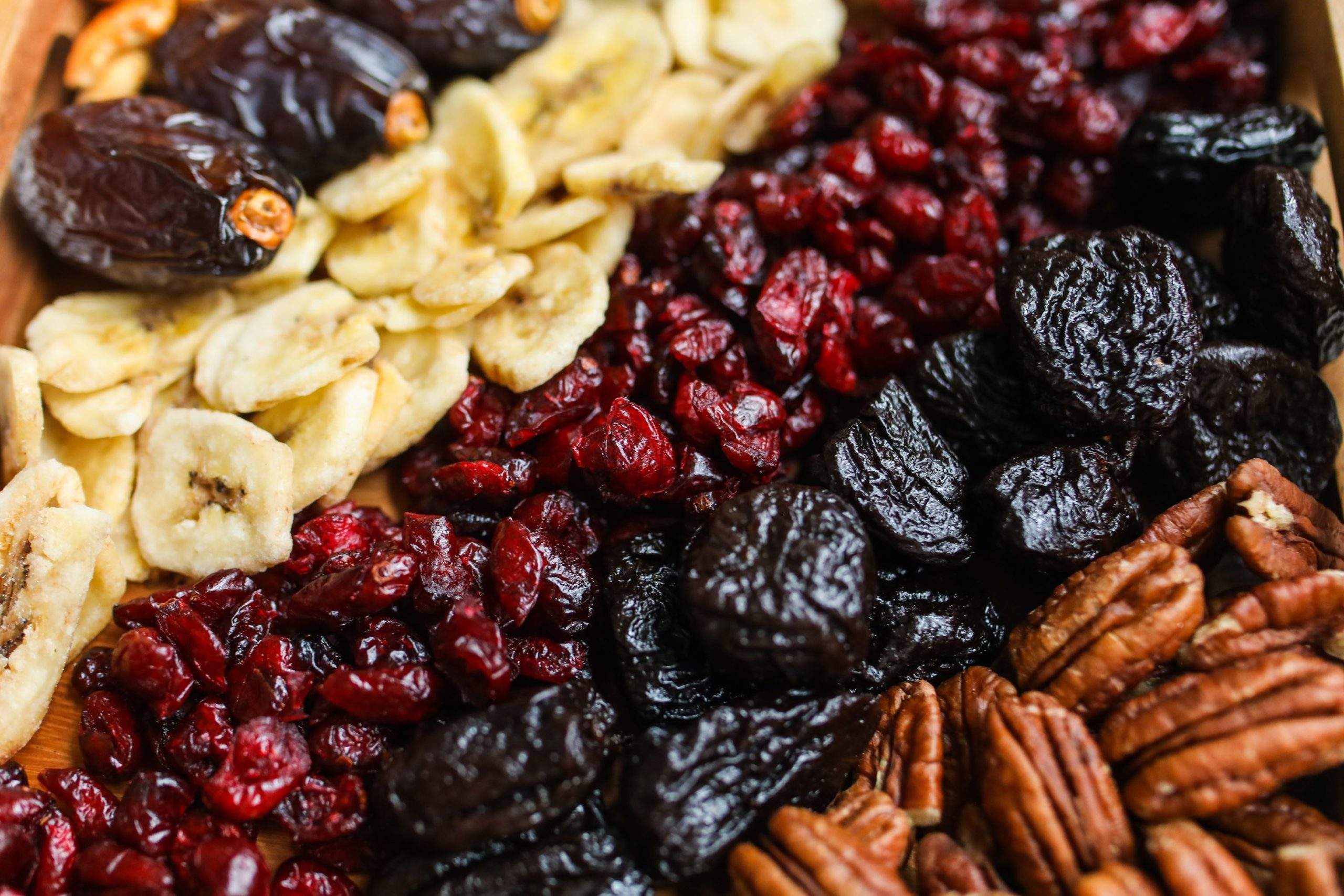
Dried apricots, raisins, dates and prunes are often seen as a healthier alternative to sweets, yet a small portion can contain surprisingly large amounts of sugar and calories. This is pointed out by the publication Harvard Health Publishing and by the UK's National Health Service (NHS), which issues dietary advice. The benefits depend largely on the type of fruit and the amount eaten.
What makes dried fruit valuable
During drying, most of the water is removed, so the fruit shrinks while its nutrients become more concentrated. Dried fruit contains fibre, potassium, iron, magnesium and calcium, as well as antioxidants, including plant polyphenols. Fibre supports the digestive system, while potassium is important for muscles and the nervous system. The fruit can also serve as an energy source on a longer hike or bike ride. However, vitamin C is sensitive to heat, so dried fruit may contain considerably less of it than fresh fruit.
Sugar and portion size
When the water disappears, sugar and calories remain in a more concentrated form. For example, 100 grams of fresh apple contain about 10 grams of sugar, while the same amount of dried apple contains about 57 grams. Some manufacturers also add extra sugar, so it is worth reading the ingredients list. The small size of the fruit makes it easy to eat too much.
The NHS suggests treating about 30 grams as one portion – roughly a heaped tablespoon of raisins, three dried plums or two figs. This counts as one of the recommended five portions of fruit and vegetables a day. The NHS also advises eating dried fruit with main meals rather than between them, because it sticks to the teeth and its sugar can raise the risk of tooth decay.
How to choose
It is advisable to pick products without added sugar, syrups or preservatives, control portion size and keep the diet varied. Dried fruit can be added to porridge, yoghurt or salads, but should not completely replace fresh fruit. It can be a better choice than many industrially made sweets, but should be eaten in moderation.