Zelenskyy Faces Domestic Crisis After Fedorov's Dismissal – Protests and Trust Decline
Ukrainian President Volodymyr Zelenskyy, despite diplomatic successes abroad, faces serious domestic challenges – daily protests after the dismissal of popular Defence Minister Mykhailo Fedorov, and a decline in public trust.
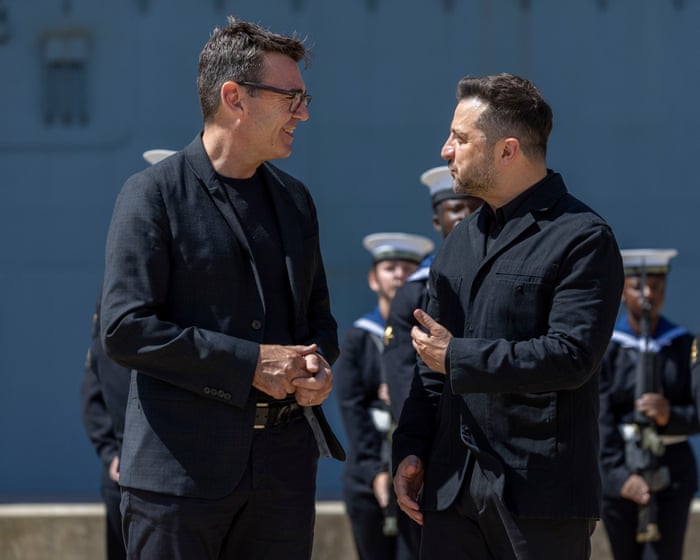
Volodymyr Zelenskyy returns to Kyiv this week to face a political crisis. In July 2025, he dismissed Defence Minister Mykhailo Fedorov, who had been appointed in January and quickly achieved significant results – modernising the defence sector, fighting corruption, and convincing Elon Musk to switch off Starlink for Russian soldiers.
Fedorov clashed with army chief Oleksandr Syrskyi, a representative of the old Soviet school. Zelenskyy initially fired Fedorov but kept Syrskyi. This decision sparked public outrage – 72% of respondents opposed Fedorov's dismissal. Under pressure, Zelenskyy later sacked Syrskyi and invited Fedorov back, but Fedorov refused alternative posts, insisting only the defence minister position determines the course of the war.
Protests continue. Slogans shifted from "Syrskyi out, Fedorov back" to "reforms not scams" and "the people are the power." This is not the first time Zelenskyy's decisions have been seen as unpopular – in July 2025, he tried to strip independence from two anti-corruption bodies, signing a bill then backtracking under public pressure. Later, one of these bodies investigated his chief of staff Andriy Yermak, leading to his resignation.
Martial law bans elections. Zelenskyy's trust rating has fallen, with Fedorov now ahead. Meanwhile, the war continues: Ukraine's drone units claim to have destroyed most of Russia's air defences, and Russia loses 30,000 soldiers per month. Zelenskyy faces a choice: reinstate Fedorov and take the political hit, or stand his ground and hope the protests fade.