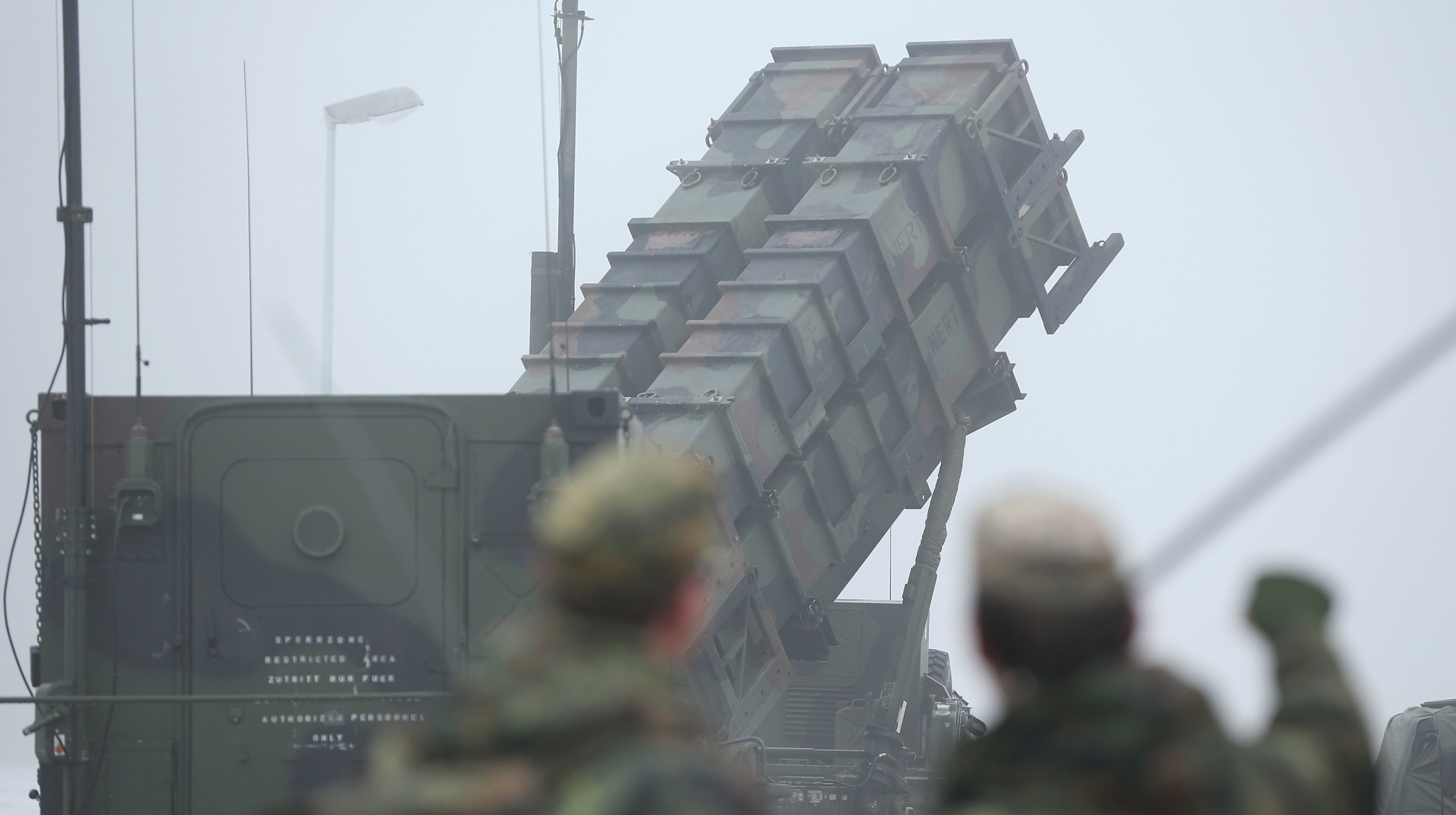
Latvian officer: North Korean missiles could reach Kyiv in 5.5 minutes
National Guard officer Jānis Slaidiņš warns that North Korean-made KN-30 ballistic missiles supplied to Russia could hit major Ukrainian cities within minutes, leaving little time for air-raid warnings.
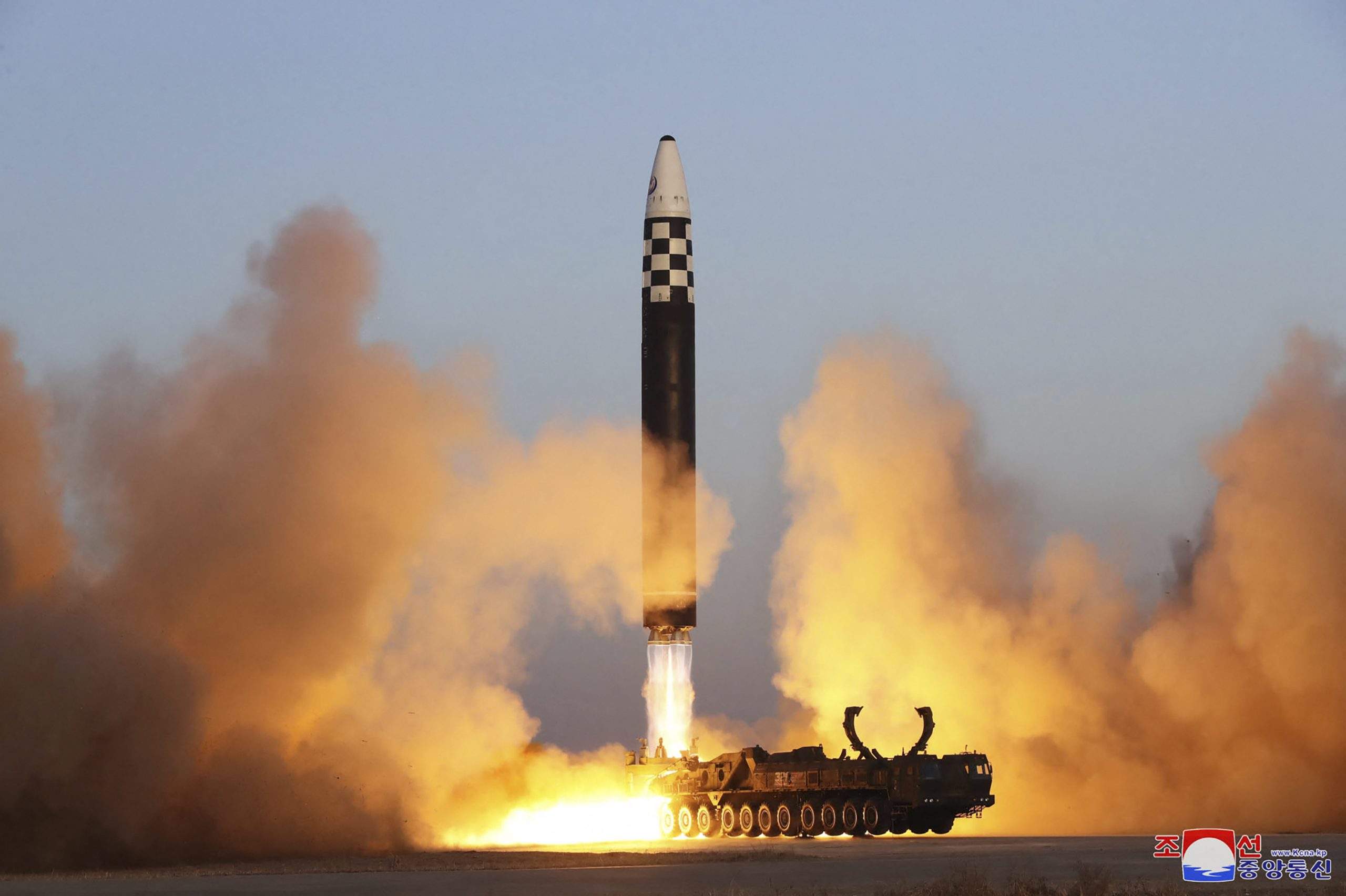
Jānis Slaidiņš, a major in Latvia's National Armed Forces and an officer of the National Guard staff, said on the program "Aktuālais par karadarbību Ukrainā" that North Korean-supplied KN-30 ballistic missiles now in Russia's possession can reach Ukrainian cities within a matter of minutes.
According to his calculations, if launched from Voronezh, such a missile would reach Poltava in 3 minutes 34 seconds, Sumy in 2 minutes 49 seconds, and Kyiv in 5.5 minutes. He noted that firing from Voronezh alone means these Hwasong-type missiles can effectively threaten roughly half of Ukraine's territory.
Short warning times complicate protection
Slaidiņš explained that such speed makes response extremely difficult, since air-raid sirens often sound only after a missile is already airborne, leaving residents just a few minutes to seek shelter. He said this short window is one reason missile strikes result in civilian casualties, particularly for families with children or elderly relatives who cannot be evacuated quickly at night.
He added that these missiles can also be launched from other Russian regions, including Rostov, Bryansk and Kursk, with flight times to targets similarly around 4 to 5 minutes from those locations.
Possible escalation as winter approaches
Slaidiņš said the KN-30 missiles have not yet been used in Ukraine, but their delivery from North Korea may signal Russia's intent to intensify strikes in the future. He suggested that if Russia begins actively deploying the North Korean missiles, attacks could become significantly more intense as winter approaches — possibly not in September, but likely by October or November if the current situation does not change. He acknowledged it remains difficult to assess the actual threat posed by the new missiles until they are used in practice.