Irish Winter Milking Costs Up 45% Since 2021, While Farm Margins Differ by €1,540 per Cow
Teagasc dairy specialist James Dunne says winter milking costs in Ireland have risen 45% since 2021. Meanwhile, the most efficient farms earn €1,540 more per cow than the weakest.
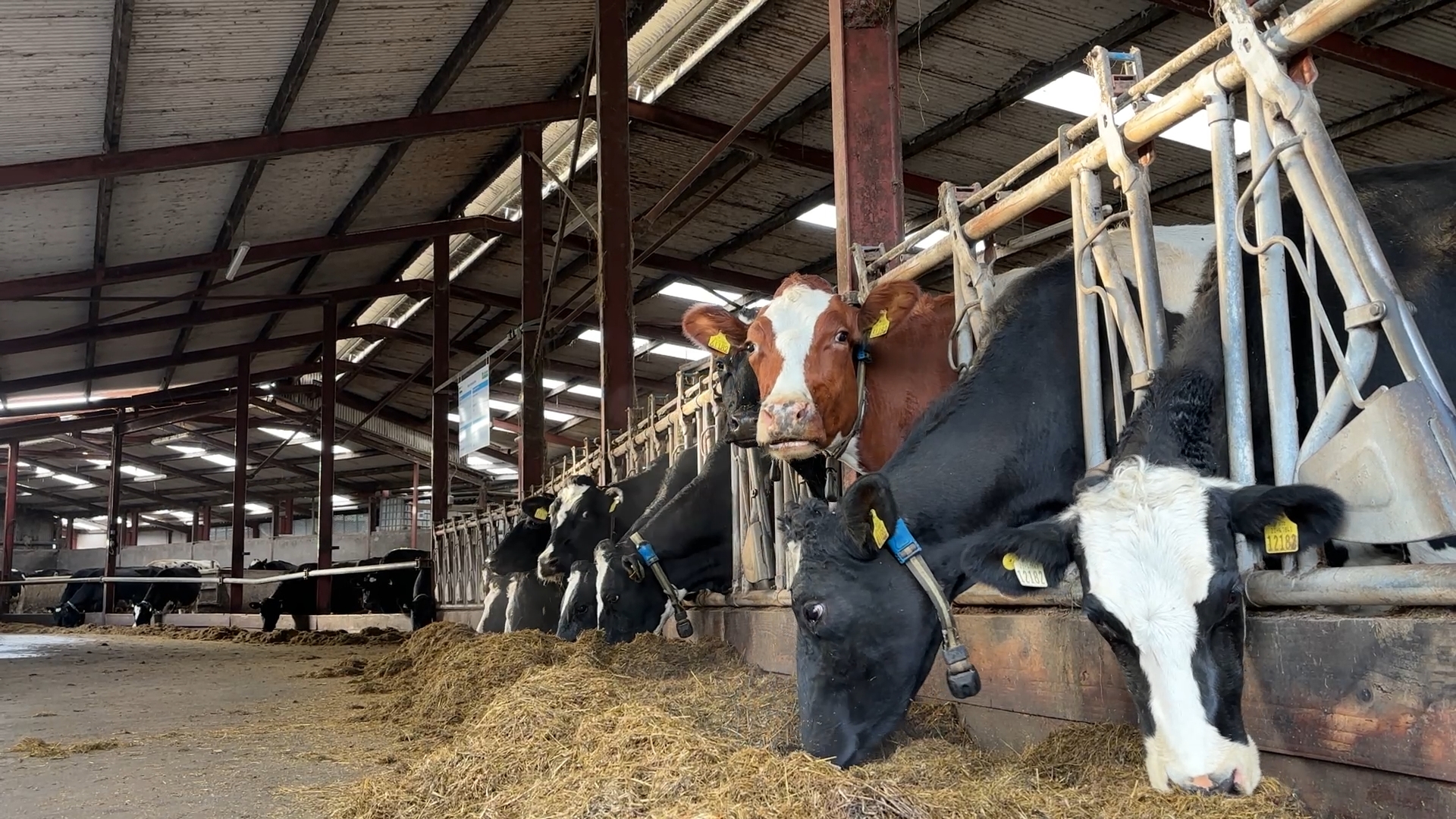
Winter milking in Ireland is getting more expensive, squeezing farm profit margins. That is according to James Dunne, a dairy specialist at Teagasc, Ireland's agricultural research and advisory authority, who reviewed farm profit monitor figures from recent years.
Rising costs
In 2021, winter milking cost €1,930 per cow. After the Russia-Ukraine war began, costs such as concentrate feed and fuel rose quickly, pushing production costs to €2,400 per cow. By 2025 the figure had reached €2,550 per cow. The source describes the rise between 2021 and 2025 as €622 per cow, or 32%. With farms using profit monitors averaging 6,000 litres per cow, this added 10c per litre to production costs.
In 2026, amid the ongoing US-Israel conflict with Iran, prices of energy, fertiliser, fuel and, ultimately, concentrates climbed again. Dunne's projections show a further €262 per cow, or 4c per litre. That would bring total costs to €2,800 per cow, 45% above 2021.
Differences between farms
Dunne stressed that these are averages, and "averages can be deceiving". Cost structures vary widely between individual farms in the liquid milk sector, and in his words, where there are variances, there is opportunity. Net margins differed by €1,540 per cow between high and low margin farms, which works out at €154,000 on a 100-cow farm.
On the most efficient farms, costs were just under €600 per cow, and an extra 74kg of milk solids was produced. A major factor was that these farms fed 400kg less concentrate per cow. To sustain high milk solids on less concentrate, they used forage much more effectively: an additional 1.55 tonnes of dry matter was utilised compared with low margin farms.
Dunne added that feed efficiency is crucial. High quality silage needs to be gathered early, and grazing allocations should stay on target throughout the year. The feed budget makes up about 45% of all on-farm costs. He recommended that every farmer regularly monitor profits to see where improvements can be made.