Winter Spraying of Oilseed Rape: A Warm Spell Alone Is Not Enough to Decide
Polish farming outlet topagrar explains that pests may return to oilseed rape fields after a winter thaw. Before treating, growers should check whether pests have arrived, what the damage threshold is, and whether conditions allow the chosen product to be used.
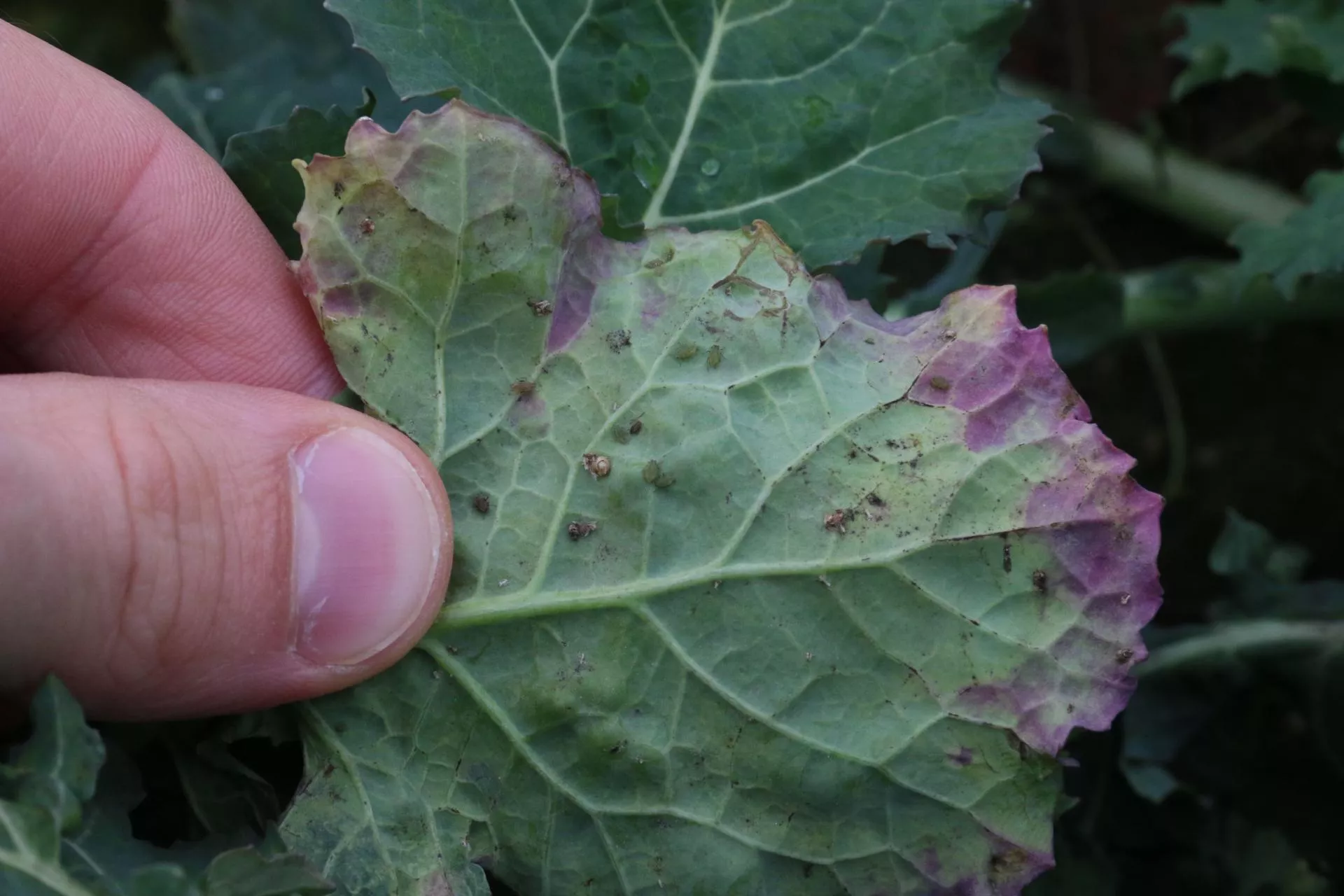
Polish farming outlet topagrar has published guidance for oilseed rape growers: after a winter thaw, pests may reappear in rape crops even though frost had earlier curbed their activity. The material is aimed at farmers deciding whether to carry out crop protection treatments in winter.
Does frost reduce pest numbers?
The publication notes that recent years suggest growers should not count on winter weather to cut pest populations by itself. Falling temperatures first halt pest activity, including feeding. Aphids, for example, which often feed on rape in autumn, become inactive below 5°C.
For the winter, pests hide in shelters such as the soil, where they enter diapause, a dormant state. During this period they are resistant to adverse conditions, especially when overwintering as eggs or adults. Even hard frost is therefore unlikely to reduce their numbers.
What to check before spraying
There is no ban on using insecticides in winter. Pests can become active after a brief warm spell, as happened in January 2023, for example. However, the damage threshold for the particular pest matters, so hasty decisions on control should be avoided.
If, as in 2023, the influx of stem weevils (chowacz in Polish) is large, the sprayer is ready and the treatment can be done in optimal conditions, it can of course be carried out. Before deciding, growers should also confirm that an influx has actually occurred and that weather conditions allow the chosen product to be applied.
The article appeared in issue 11/2026 of topagrar Polska.