Northern Ireland introduces bird flu prevention zone and orders poultry to be housed
From 19 November, all poultry and other captive birds in Northern Ireland must be housed or kept apart from wild birds, after highly pathogenic avian influenza was confirmed in Co Tyrone. Poultry gatherings are also banned.
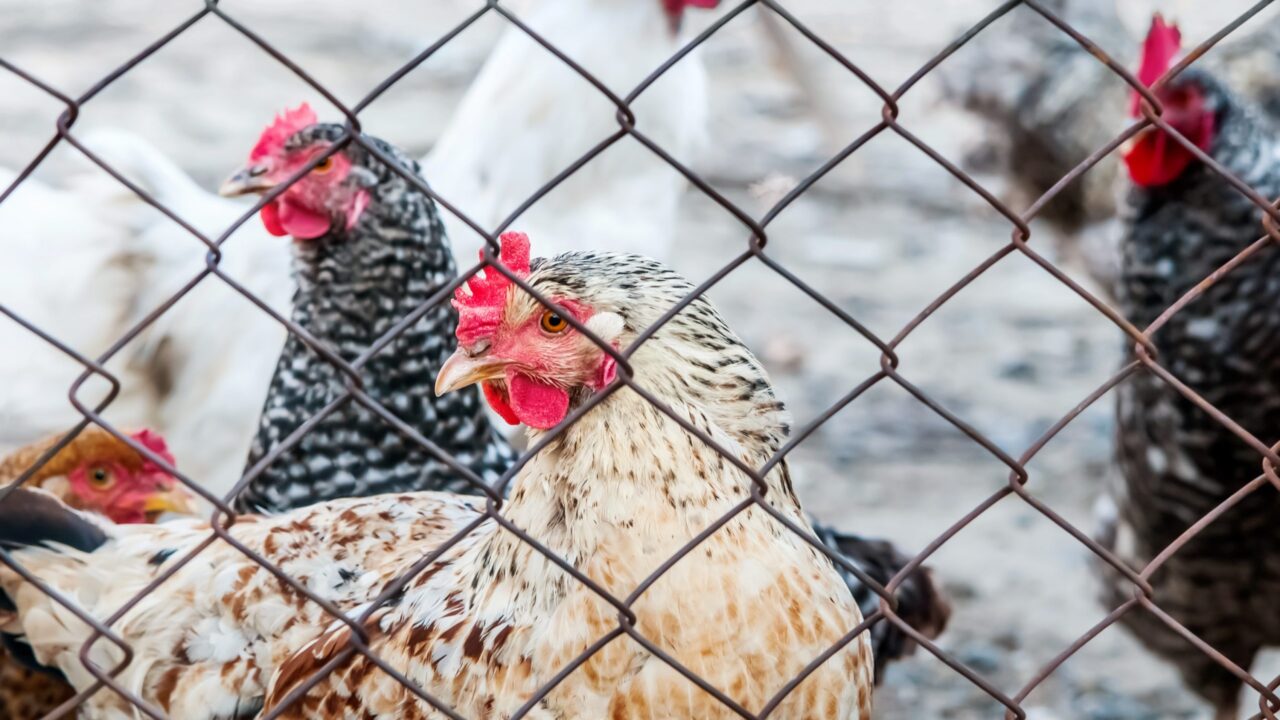
Mandatory restrictions on all kept birds and poultry will take effect across Northern Ireland on the morning of Thursday, 19 November, requiring them to be housed or otherwise separated from wild birds. The decision follows confirmation of notifiable highly pathogenic avian influenza (HPAI), commonly known as bird flu, at a commercial poultry premises near Coagh in Co Tyrone.
The Department of Agriculture, Environment and Rural Affairs (DAERA) is introducing an Avian Influenza Prevention Zone (AIPZ) covering the whole of Northern Ireland. Bird keepers must follow strict biosecurity measures to reduce the risk of the disease being introduced. The zone also bans gatherings of galliformes (including pheasants, partridge, quail, chickens, turkeys and guinea fowl), anseriformes (including ducks, geese and swans) and other poultry.
How the case was handled
Agriculture, Environment and Rural Affairs Minister Andrew Muir said a report of a suspected case arrived late on Saturday and officials began investigating early on Sunday. Official results from the National Reference Laboratory in Weybridge, England, then confirmed HPAI. All poultry at the affected site will be humanely culled, and a 3km protection zone and 10km surveillance zone will be set up around it to limit onward spread.
Muir said the prevention zone decision rests on epidemiological advice and the current risk assessment. He urged every bird owner, from backyard hobbyists to commercial producers, to follow biosecurity rules, warning that an HPAI incursion can have severe effects on those affected and on Northern Ireland's wider agri-food industry.
Appeals to keepers and the public
Northern Ireland's chief veterinary officer, Brain Dooher, called on owners to maintain excellent biosecurity and report any suspected cases to DAERA immediately. The department is also encouraging owners of flocks of any size to register them so it can contact them directly with updates. Members of the public are asked to report dead waterfowl (swans, geese or ducks) or gulls, or five or more dead wild birds of other species found in the same location.