Science-Based Approach to Children's Sports in Latvia
The national research program 'Sports' shifts Latvian sports policy toward evidence-based decisions, prioritizing children's health and long-term development over immediate results.
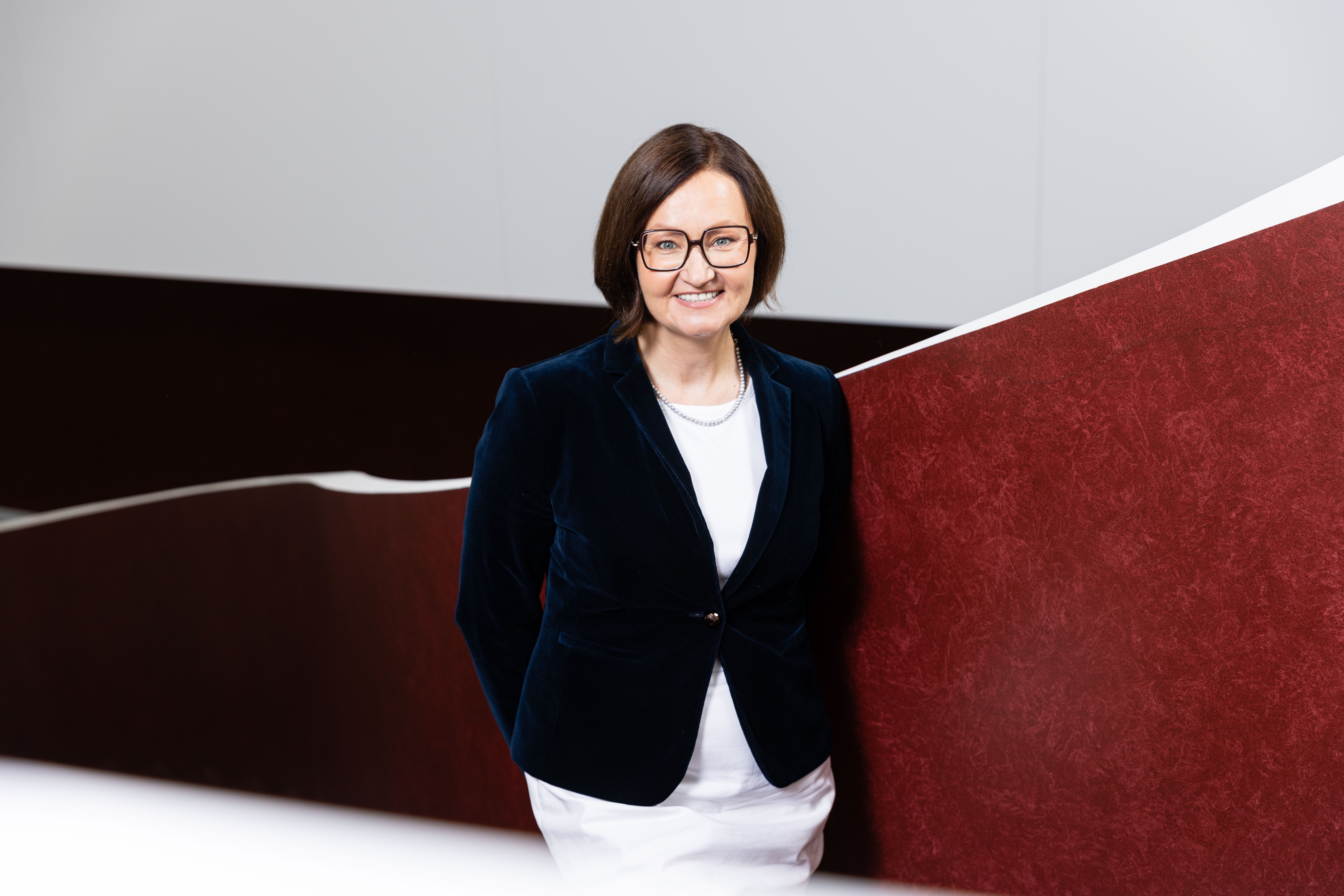
Agrita Kiopa, Vice-Rector for Sciences at Riga Stradiņš University (RSU), highlights the transformative impact of the National Research Program 'Sports' (VPP 'Sports') on Latvian sports. The program positions sports as a knowledge-driven component of public health, education, and national development. It provides data on children's physical development, exercise tolerance, nutrition, injury risks, and mental health, explaining differences in maturation rates and why one youth reaches potential at 16 while another at 20.
Kiopa emphasizes that sports should begin in childhood as a source of joy. Unfortunately, 33% of Latvians do not engage in physical activity, and average healthy life expectancy is only 52 years. Early specialization is discouraged—researchers, based on global experience, note it harms both health and performance. Within the program, RSU, together with the University of Latvia and Riga Technical University, implements the project IMRSportsLV, turning scientific findings into practical recommendations for coaches, educators, doctors, and sports specialists.
Discussions at the Latvian Youth Olympiad in Valmiera, which gathered over 3,500 young participants, outlined necessary changes: larger budgets for health and sports, regular mass sports events, support for parents and sports education, and investment in sports science and health literacy. Kiopa stresses that the goal is a young person who learns to be active, care for their health, and cooperate—both in a team and with family. Only by investing in children's and youth sports can a healthy society be built that will not become a burden on human resources in the future.