Journalist Silvija Jokste: Latgalian Should Be Spoken at Home, Not Imposed
Silvija Jokste, culture news editor at Latvian Television, tells the portal LaKuga about her path in journalism. She argues that the Latgalian language should be preserved mainly in the family by speaking it with children.
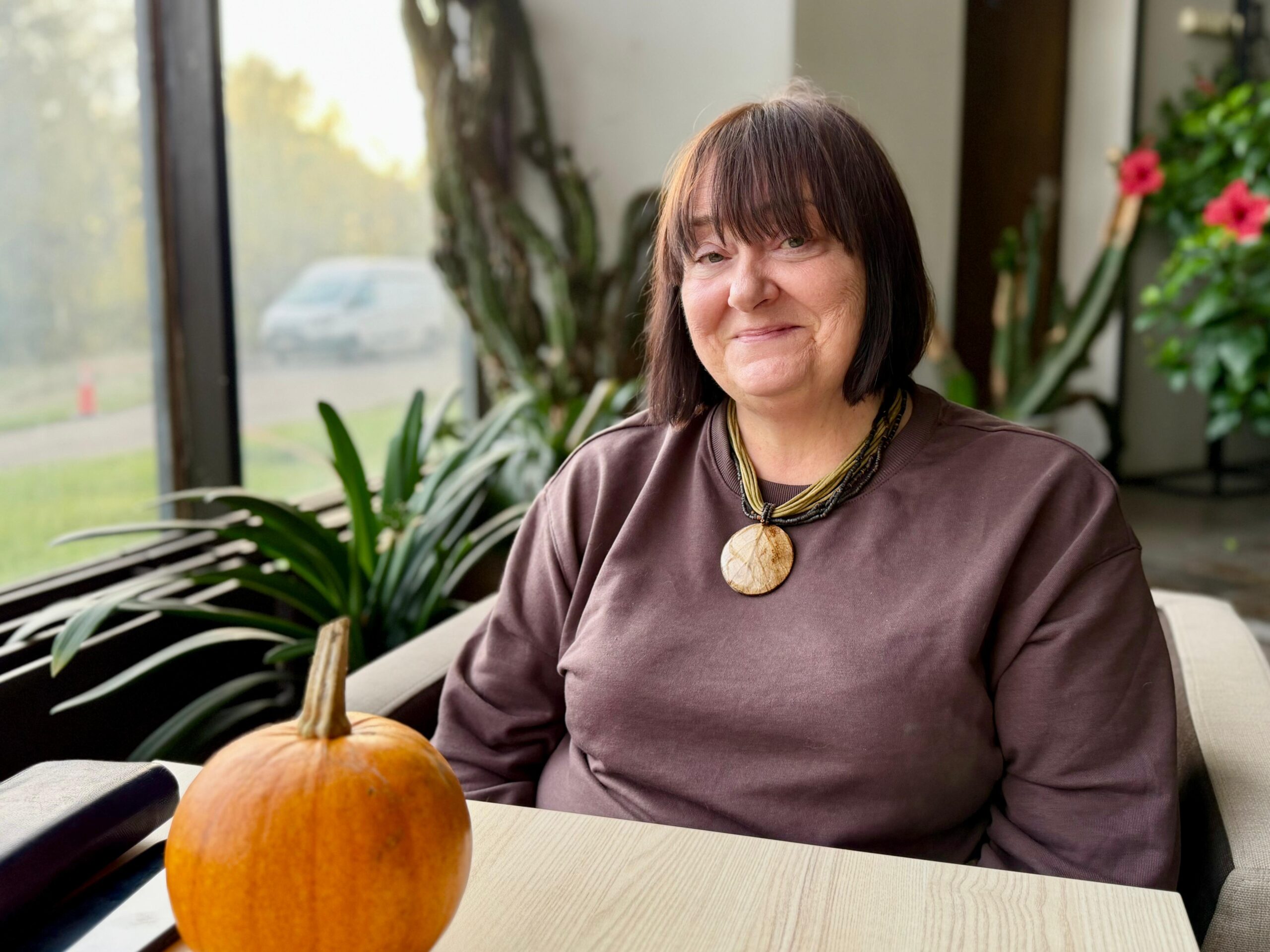
Silvija Jokste, culture news editor at Latvian Television (LTV), spoke in an interview with the Latgalian portal LaKuga about her career and her views on the use of the Latgalian language. She has been culture news editor for two years and has produced the programme “4. studija” for more than ten years.
From Aglona to Riga
Jokste grew up with her grandmother in the Aglona area, which she calls by its old name, Somerset, until the age of seven, then moved to Preiļi. After studying in Riga she returned to Preiļi and worked at the district newspaper, later helping to make reports for a local cable television channel. In the 1990s she also worked at Latgale Television in Rēzekne, where she headed the news service. She later worked at magazines and LNT news, and created the women's magazine “Ieva”. She says she has lived in Riga for many years but plans to return to her home area.
Latgalian on screen and at home
Jokste believes Latvian Television's culture news now highlights Latgalian events more than before, with various reporters covering them. When a story is about Latgalian literature, she says, it would be odd to speak Latvian, so subtitles are used.
She does not support imposing the language, for example demanding that all official business be conducted in Latgalian, but believes it should be used and learned. In her view, the most important thing is to speak Latgalian with children at home. She is critical of parents who speak incorrect, accented Latvian with their children.
On teaching the language in schools, Jokste thinks it should not be limited to extracurricular education and suggests teaching reading and writing in Latgalian for at least half a year or a year. She sees no need for separate Latgalian programmes in the media, but acknowledges that a full channel would require funding.