Swedish climate scholar Malm condemns UK travel ban as 'drift into authoritarianism'
The UK government has revoked the electronic travel authorisation of Swedish climate academic and author Andreas Malm, who calls the move a drift into authoritarianism. The decision has been criticised by a novelist, politicians and a think tank director.
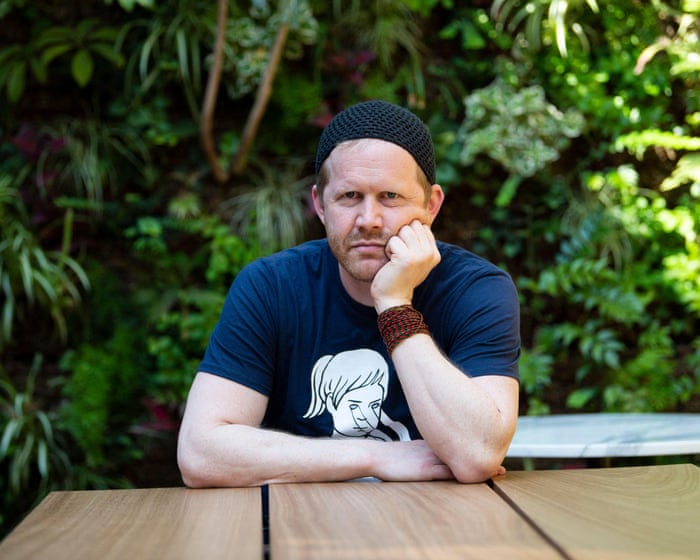
Andreas Malm, a Swedish climate academic and the author of the book How to Blow Up a Pipeline, has strongly condemned a travel ban imposed on him by the UK government, calling it a "drift into authoritarianism". British immigration authorities revoked his electronic travel authorisation (ETA), prompting criticism from politicians and public figures.
The official position
Malm says the authorities have not explained their reasons. He was told only that his presence in the UK was "not considered to be conducive to the public good". He has asked for clarification but has received none. The Home Office, the UK interior ministry, said it could not discuss individual cases. A source said such decisions rest solely on an assessment of the potential risk a person may pose to UK society.
Malm's explanation
Speaking on BBC Radio 4's Today programme, he said the only plausible reason was his scheduled appearance at a conference in London next Wednesday evening alongside Huda Ammori. She is a co-founder of Palestine Action, a group proscribed in the UK. Malm denied supporting or helping to finance the group, though he acknowledged that his views on Palestinian rights are well known. Asked whether his description of the Hamas attacks of 7 October 2023 as an "act of liberation" could be the cause, he said it could be, but that his views had long been public and he was last in the UK in May. He confirmed he would now speak by video link at the event, which is organised by Tribune magazine.
Reactions
The author Sally Rooney called the ban a "sad and frightening act of cultural self-harm". Green party leader Zack Polanski described it as an extraordinary attack on free speech. Labour MP Clive Lewis urged ministers to produce evidence if they have any. Ammori called the ban an attack on free speech and said it must be overturned. Neal Lawson, director of the thinktank Compass, and John McDonnell, the former shadow chancellor, also criticised the decision.