Colonel Eriksen Made the Call at Oslofjord as German Ships Approached on 9 April 1940
As Nazi Germany invaded Norway on 9 April 1940, Colonel Birger Eriksen, commander of the Oscarsborg fortress, had to decide alone how to respond to a group of ships heading for Oslo. A Delfi history feature uses the episode as an example of personal responsibility at a decisive moment.
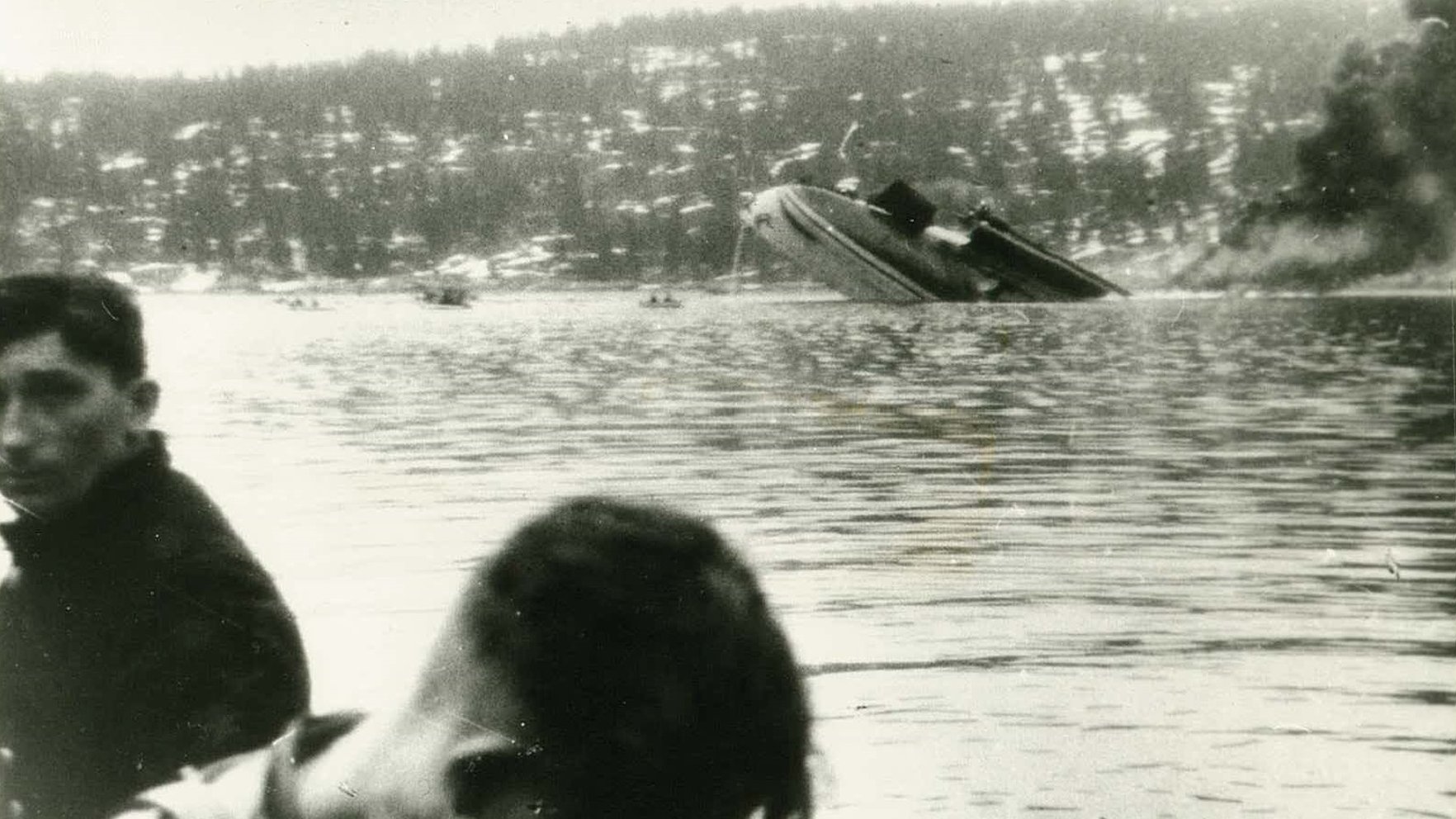
On 9 April 1940, during the Second World War, Nazi Germany began its invasion of Norway. One of the first decisive moments came in the Oslofjord, where the commander of the Oscarsborg fortress, 64-year-old Colonel Birger Eriksen, had to decide for himself because he could not reach his superiors. A Delfi history feature presents the episode as an example of personal responsibility and the ability to act without instructions from above. The article's introduction says such qualities were lacking in Latvia's political and military leadership in June 1940, when the Soviet Union occupied the country.
Why Germany Wanted Norway
Germany's biggest problem at the start of the war was resources. In 1939 it imported more than 60 percent of its iron ore from Sweden through Norwegian ports. British Prime Minister Winston Churchill wrote in December 1939 that cutting off the ore transit would be one of the most significant economic operations against Germany. The British began planning to mine Norwegian territorial waters, and in spring 1940 the British and French were ready to seize several ports if a pretext arose. Their main target was Narvik, through which ore was shipped in winter.
The Germans, however, moved first. On 9 April the invasion of Denmark began, and the country surrendered within hours without resistance. The same day the German fleet launched its operation in Norway: six groups were to take Narvik, Trondheim, Bergen, Kristiansand, Oslo and Egersund simultaneously. The plan relied on darkness and surprise.
The Attack on Oslo
Oslo was the country's largest port and home to the royal residence, the government and the army headquarters, and the nearby Fornebu airport was also a target. The city was to be taken by Battle Group V, which included the cruisers Blücher and Lützow, the light cruiser Emden, three torpedo boats and smaller vessels. The ships carried 1,600 infantry.
Shortly after midnight the group set off up the fjord toward Oslo, although Germany had not yet declared war on Norway. The previous evening the Germans had shot up the Norwegian patrol boat Pol III; its commander, Leif Welding-Olsen, drowned and became the first Norwegian soldier killed in the war.
Around four in the morning the ships approached the Oscarsborg fortress near the Drøbak Sound. Eriksen knew of unidentified ships but not whether they were British or German. He raised the alarm and, unable to contact his superiors, prepared to follow the standing order not to let foreign ships reach the capital.