41% of Latvian students fail to reach basic reading literacy — debate returns to past political decisions
New figures show that 41% of Latvia's 15-year-olds do not reach the basic level of reading literacy, reviving debate about the country's education policy. Commentators point back to a 2004 parliamentary vote on the schooling model for minority schools.
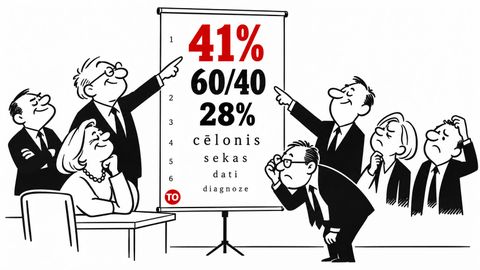
New data on the skills of 15-year-old students show that 41% of Latvian youths in this age group fail to reach the basic level of reading literacy. The figure has reignited debate about the quality of the country's education system and the reasons behind it.
Historical context
As part of the discussion, another figure has resurfaced — 71%. That was the share of Saeima (parliament) deputies who voted in 2004 in favor of the so-called 60/40 model for minority secondary schools. Under this model, 60% of the curriculum had to be taught in the state language, while up to 40% could be taught in a minority language. The decision represented a departure from a plan already set out in law in 1998, which envisioned a full transition to instruction only in the state language in minority schools.
Link to the present
Commentators argue that before drawing quick conclusions about children's reading skills, it is worth examining the record of political decision-making on education across several convocations of the Saeima. They stress that such decisions — including the retreat from the originally planned transition to state-language-only instruction — have shaped, over the long term, the education system the country has today.
The two figures, 41% and 71%, are being used to illustrate that current problems in education quality did not arise in isolation but are also linked to historical political compromises in language and education policy.


