New Russia-Ukraine-US talks open in Abu Dhabi as experts expect no breakthrough
Russia, Ukraine and the United States are holding a new round of trilateral talks in Abu Dhabi on Tuesday and Wednesday. US-mediated talks in January and February produced no results, and experts again expect little progress.
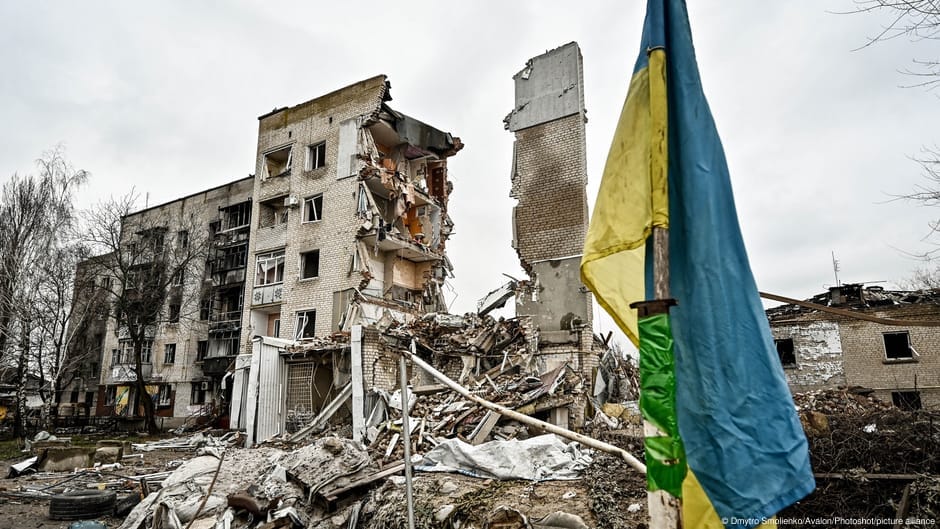
A new round of trilateral talks between Russia, Ukraine and the United States on the war in Ukraine is scheduled for Tuesday and Wednesday in Abu Dhabi, United Arab Emirates. US-mediated negotiations held in January and February produced no result, so the talks are resuming after a long pause.
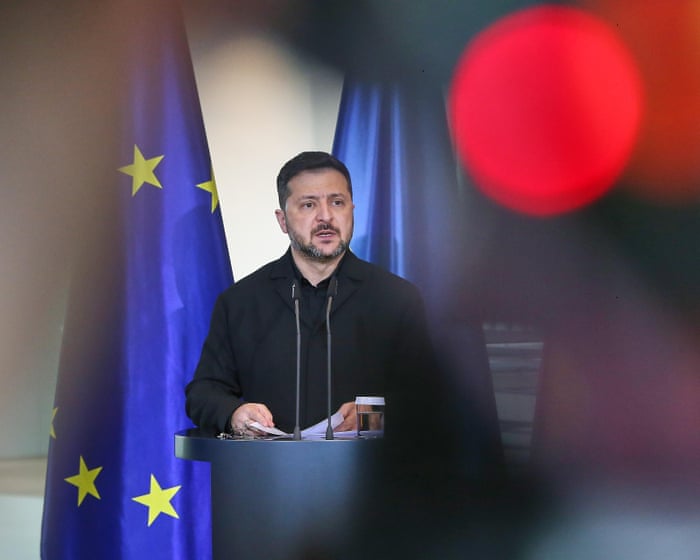
Announcing the meeting, US special envoy Steve Witkoff said the agenda would cover post-war security arrangements, de-escalation, humanitarian efforts and next steps toward peace. Ukrainian President Volodymyr Zelenskyy has named security guarantees, an energy ceasefire, unblocking the Black Sea, wider prisoner exchanges and preparations for a leaders' meeting between Ukraine, the US and Russia as his main topics.
Who will take part
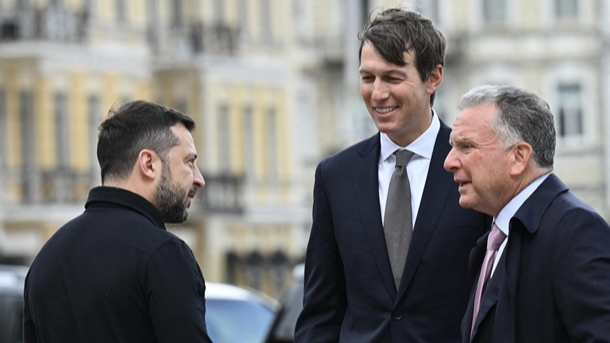
The US side is represented by Witkoff and Jared Kushner, a real estate developer and son-in-law of President Donald Trump, who also serves as a special envoy. Russia's chief negotiator is Vladimir Medinsky, an aide to President Vladimir Putin, and the delegation includes senior military and intelligence officials. Ukraine's delegation is led by Rustem Umerov, head of the Foreign Intelligence Service, and includes lawmaker Davyd Arakhamia, diplomats and military officers.
Separate formats are planned with European representatives, including advisers from Germany, France, the UK and Italy, as well as chiefs of staff to the European Commission president and the NATO secretary-general. Hanna Shelest of the Ukrainian Prism foreign policy network believes Europeans will play at best an observing role, because Russia wants to present the talks as a matter between two superpowers. She also said that talks led by Medinsky usually aim to show willingness to talk without reaching agreement.
What experts expect
Arakhamia said he does not expect a breakthrough, but that the resumption of talks itself can count as a success. Shelest called the presence of senior intelligence officers a fairly positive sign, noting that further progress is possible on prisoner exchanges or humanitarian pauses in villages near Oleshky in the Russian-occupied Kherson region. A temporary truce there in late October allowed aid deliveries and civilian evacuations. Ivan Us, an economic diplomacy expert at Ukraine's National Institute for Strategic Studies, noted that Russia kept attacking during that truce and used the pause to fortify its positions around the town.