BBC: Russia and Ukraine Privately Show Some Flexibility Ahead of Abu Dhabi Talks
BBC, citing US officials, reports that Moscow and Kyiv are privately showing some flexibility on who will control Ukraine's eastern regions after the war. Trilateral talks are taking place in Abu Dhabi on 10–11 November.
Russia and Ukraine are privately showing "some flexibility" on the question of who will control Ukraine's eastern regions after the war, the BBC reports, citing US officials. The comments came ahead of trilateral talks between Ukraine, the United States and Russia in Abu Dhabi, the capital of the United Arab Emirates, on 10–11 November. These are the first such talks since February and aim to end the war, taking place ahead of the fifth anniversary of Russia's full-scale invasion.
Security architecture as the key
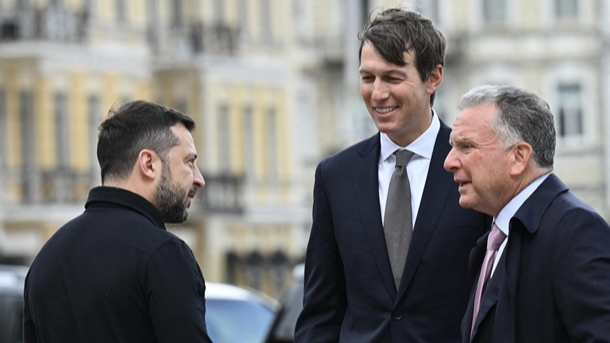
Jared Kushner, US President Donald Trump's son-in-law, is part of the American delegation alongside peace envoy Steve Witkoff. He has said the talks will focus on "post-war security issues" that concern both Russia and Ukraine. Neither side has formally backed down from its demands, but a US official suggested this is only the official stance, and that in private both have shown some flexibility.
The official also acknowledged that the Donetsk and territorial questions cannot be settled until it is clear what the post-war security architecture will look like. In the official's words, one cannot be finally agreed without the other.
For Ukraine, such an architecture could mean guarantees that allies would come to its aid if it is attacked again. For Russia, it could mean its long-standing ambition of getting NATO to withdraw from Eastern Europe, which would worry Europeans. The proposed framework agreement envisages security consultations, crisis communication lines and "mutual de-escalation measures". Officials also floated restoring the NATO-Russia Council, whose work has been practically suspended since 2022. The US will propose moving to a multilateral format that involves Europeans, while acknowledging that Russians have had a negative experience dealing with them.
Participants
Representatives of the European Commission, the European Council, Germany, France and the United Kingdom will attend at the level of security advisers, along with the head of the NATO Secretary General's office. Kushner and Witkoff will meet the Europeans before the trilateral talks begin. Ukraine will be represented by Foreign Intelligence Service head Rustem Umerov, Presidential Office head Kyrylo Budanov, his first deputy Serhiy Kyslytsya, Deputy Head of the Defence Ministry's Main Intelligence Directorate Vadym Skibitskyi, and Servant of the People faction leader Davyd Arakhamia.
Kyiv does not expect a breakthrough at the first meeting, but hopes for one in the second round. President Volodymyr Zelensky said Ukrainian troops are currently strengthening the negotiating position.