Africa's aging autocrats work to hold on to power
Several long-ruling African presidents took new steps this year to tighten their grip on power or prepare hereditary succession. Analysts warn uncertainty over who comes next could trigger internal rivalries or even coups.
A number of Africa's longest-serving leaders have taken fresh steps in 2025 to secure their hold on power, according to a Deutsche Welle report.
Cameroon and Uganda
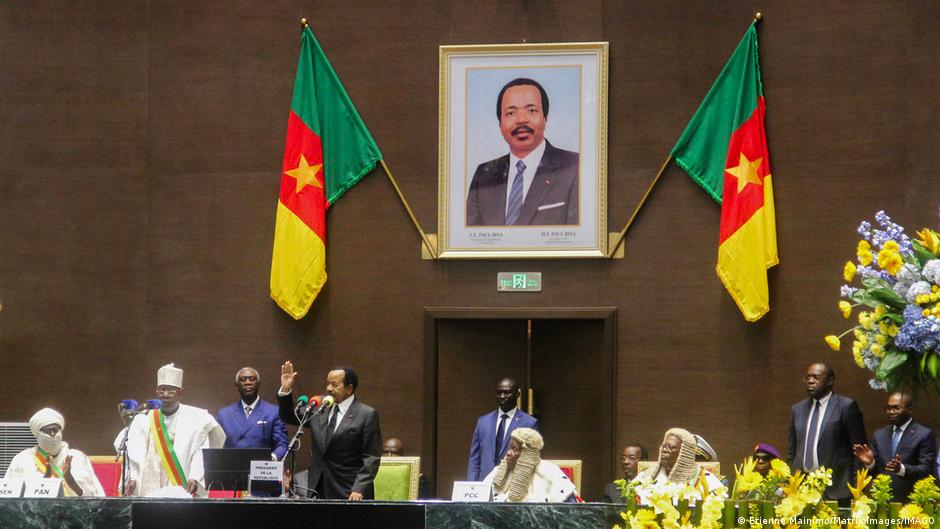
Cameroon's President Paul Biya, in power since 1982, began his eighth term this year, officially running until 2032, when he would be nearly 100 years old. The 93-year-old has spent the past two and a half months in Geneva while still issuing decrees and making appointments remotely. The vice presidential post remains vacant. Analysts say that while Biya's loyal network keeps government functioning during his absences, rivalry among potential successors could escalate into serious instability, including a possible military coup.
Ugandan President Yoweri Museveni, in office since 1986, recently began another term as well. His son, Muhoozi Kainerugaba, head of the military, has drawn growing attention, including ordering the closure of several media outlets in July. Observers see this as a sign of power being transferred within the family — a pattern already underway for years in Equatorial Guinea, where the son of President Teodoro Obiang Nguema has served as first vice president since 2016 and now also controls the armed forces.
Constitutional changes
In Zimbabwe, parliament this year approved constitutional amendments extending both parliamentary and presidential terms from five to seven years, and shifting presidential elections from a direct popular vote to a vote by parliament, where the ruling ZANU-PF holds a comfortable majority. President Emmerson Mnangagwa signed the amended constitution into law in July, though the opposition argues a referendum should still be held.
Analysts note similar power-preserving constitutional changes have occurred in recent years in Togo and Cote d'Ivoire, while Senegal is currently debating potential amendments. Experts stress that the weakening of institutions to keep individuals in power is not unique to Africa but a global trend.