Illegal Dump in Rīga's Āgenskalns: Residents Ask for Surveillance Camera
An unofficial waste dump has existed for several years on Kristapa Street in Rīga's Āgenskalns neighbourhood. Residents want a surveillance camera installed, but the municipal police have refused.
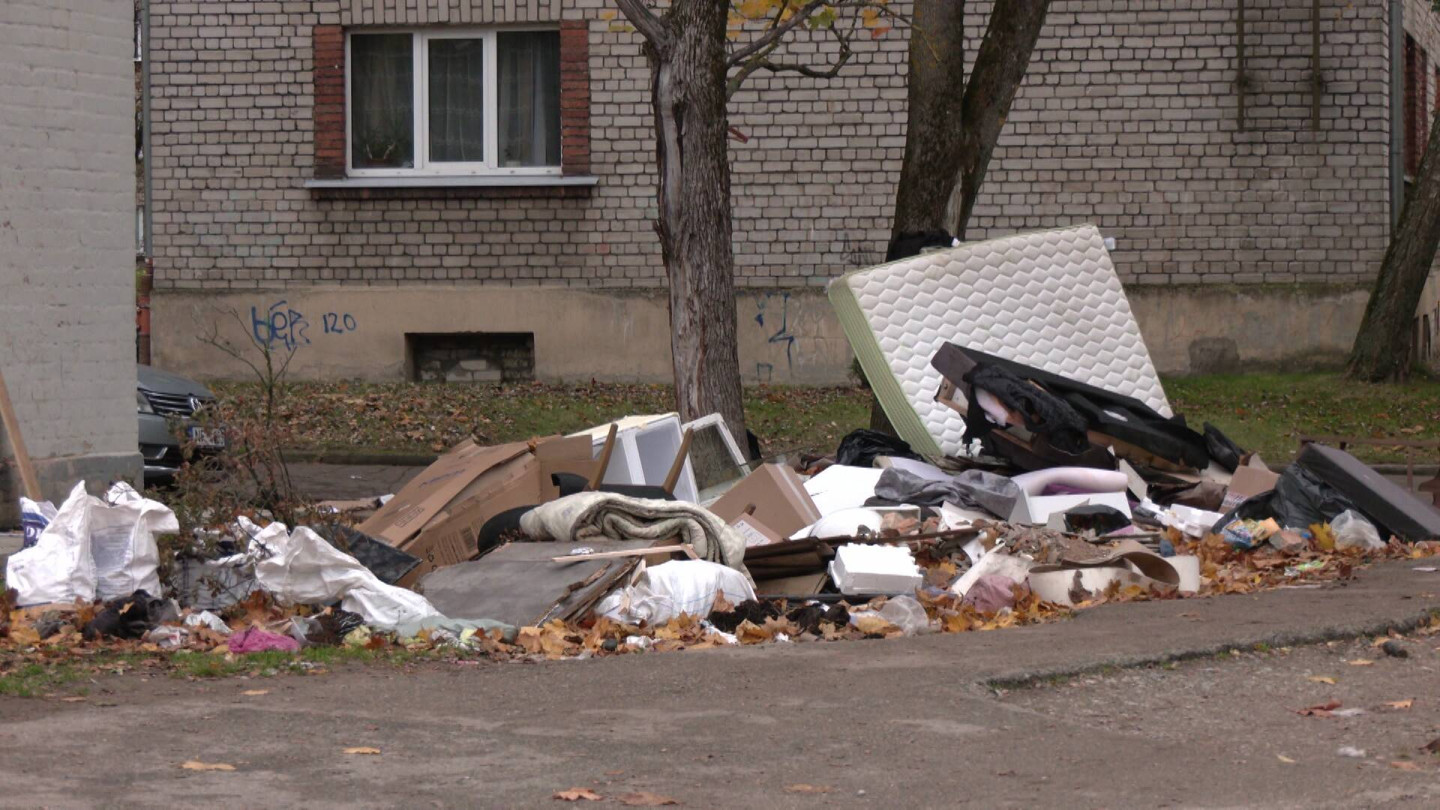
An unofficial dump has formed over several years on Kristapa Street in the Āgenskalns neighbourhood, on the left bank of the Daugava in Rīga. Local residents complain that bulky waste and construction debris are left at the waste collection site, and that they have so far been unable to get cameras installed to catch those responsible. The situation was reported by the programme "Bez tabu".
What the site looks like
The site contains several car tyres, construction debris, clothing, a computer monitor, a refrigerator, and assorted furniture and windows. Residents say the scene has persisted for many years. In their view, waste is brought here from across the area, including from private homes, and delivered by car.
Residents' complaints
Residents of Āgenskalna priedes believe the city and the property manager "Rīgas namu pārvaldnieks" are unwilling to deal with the problem effectively. They wanted cameras installed at the waste site at Kristapa Street 12, but were refused. They also asked the Rīga municipal police to install a camera to record offenders, and received another refusal. They were advised to photograph and film violators themselves. Residents stress that the surroundings are being polluted and that rats now have somewhere to hide.
The manager's explanation
"Rīgas namu pārvaldnieks" says the situation has deteriorated sharply of late. Linda Šilska, regional head of the company's Housing Portfolio Management and Support Centre, says the site is freely accessible, so waste is dumped there not only by residents but also by unscrupulous passers-by. The containers are intended for residents of 20 surrounding buildings.
The manager had so far shown no initiative to install video surveillance cameras. The idea has now come from the residents themselves, and the article's author predicts that pursuing it will involve a great deal of bureaucracy.