Defence Industry Figure: Latvia Should Focus on Anti-Drone Systems, Not Cheap Drone Production
Edgars Zandmanis, chairman of the International Defence Products Manufacturers Association (SAPRA), argues in the magazine Ir that Latvia should develop anti-drone systems and use the Sēlija training ground as an advantage. He says this could boost the economy and military industry.
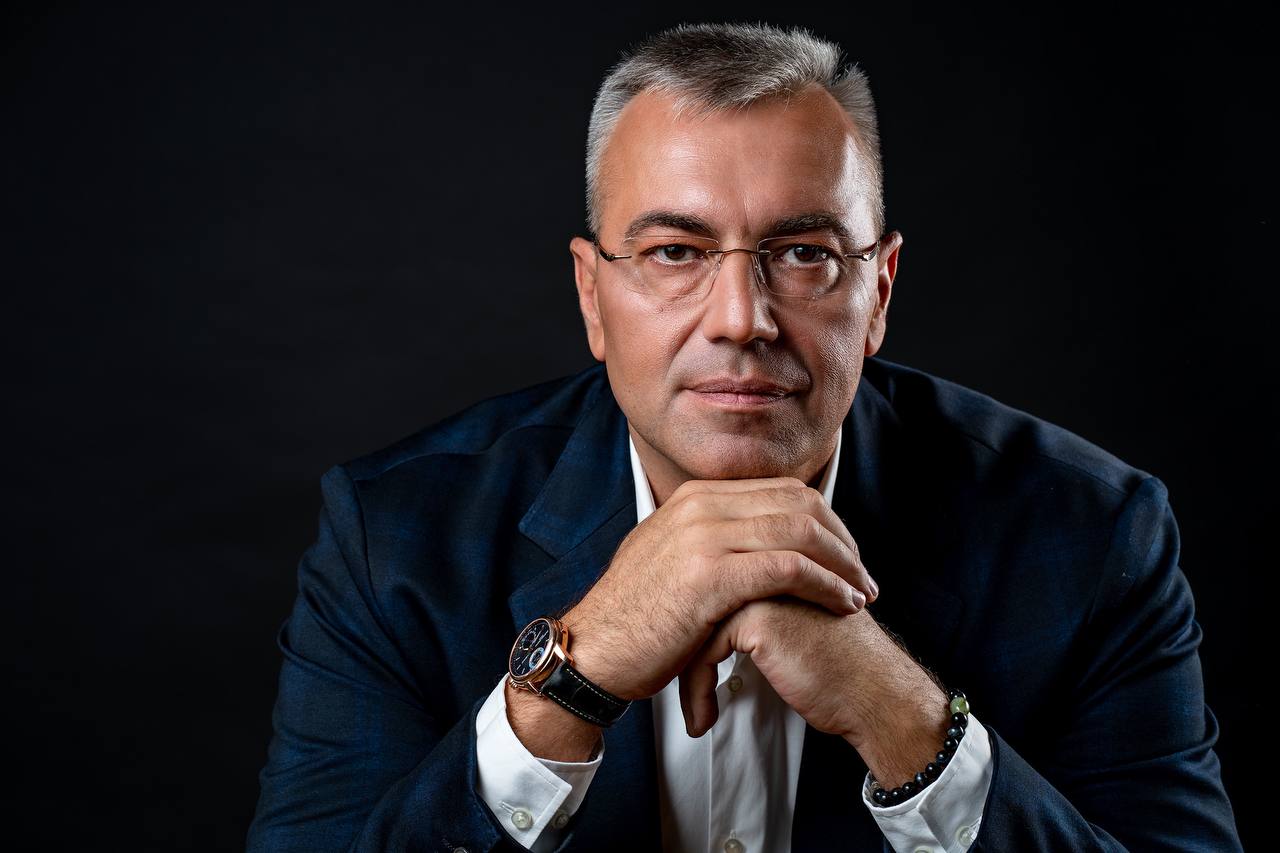
Stray drones in Baltic airspace and elsewhere in Europe signal that protecting airspace has become an urgent security issue. That is the view of Edgars Zandmanis, chairman of the board of the International Defence Products Manufacturers Association (SAPRA), in a commentary for the Latvian magazine Ir. He argues that Latvia should strengthen its national defence capabilities and invest in anti-drone systems, which could also give a boost to the economy and the defence industry.
Niches, not mass drone production
Zandmanis says the first wave of drone production, when enthusiasts built aircraft with 3D printers and Chinese-made parts, is over. In his view, the experience of the war in Ukraine shows that technology becomes obsolete within months. Latvia's opportunity, he argues, lies in technology-intensive niches: anti-drone systems, photonics and optoelectronics.
He says an effective system detects a drone before it crosses the border, identifies its type, and then neutralises it by jamming its signal or shooting it down. This requires combinations of optical, thermal, photonic and acoustic sensors, which Latvia already produces. The author expects demand to grow in the civilian sector too, for example for protecting infrastructure, factories and private property.
The Sēlija range and partnerships
Zandmanis sees Latvia's advantage in the Sēlija training ground. He claims that in Germany companies wait six months to a year for permission to test, while in Latvia the cycle from idea to trials can be organised quickly, with soldiers giving immediate feedback.
He says about 2,000 Latvian companies could join defence industry supply chains. As an example he cites the joint venture Baltic Photonics, which combines German technology with a Greek end product, while the main components are made in Latvia. SAPRA also works with Israeli anti-drone manufacturers.
Budget and the Baltic market
Latvia aims to spend up to 5% of GDP on defence. The author believes as much of this money as possible should stay in the domestic ecosystem. As steps already taken, he cites a "green corridor" for business communication with the state and the Defence Ministry's published list of army needs. Going forward, he says, the state should defend its manufacturers more actively on international markets and in NATO procurement, and a joint Baltic defence market should be developed.