Alzheimer's may leave traces in the brain a decade before memory loss
Johns Hopkins University researchers have found that two brain regions, the entorhinal cortex and amygdala, lose tissue earlier than the hippocampus. The finding could eventually help detect Alzheimer's disease before symptoms appear.
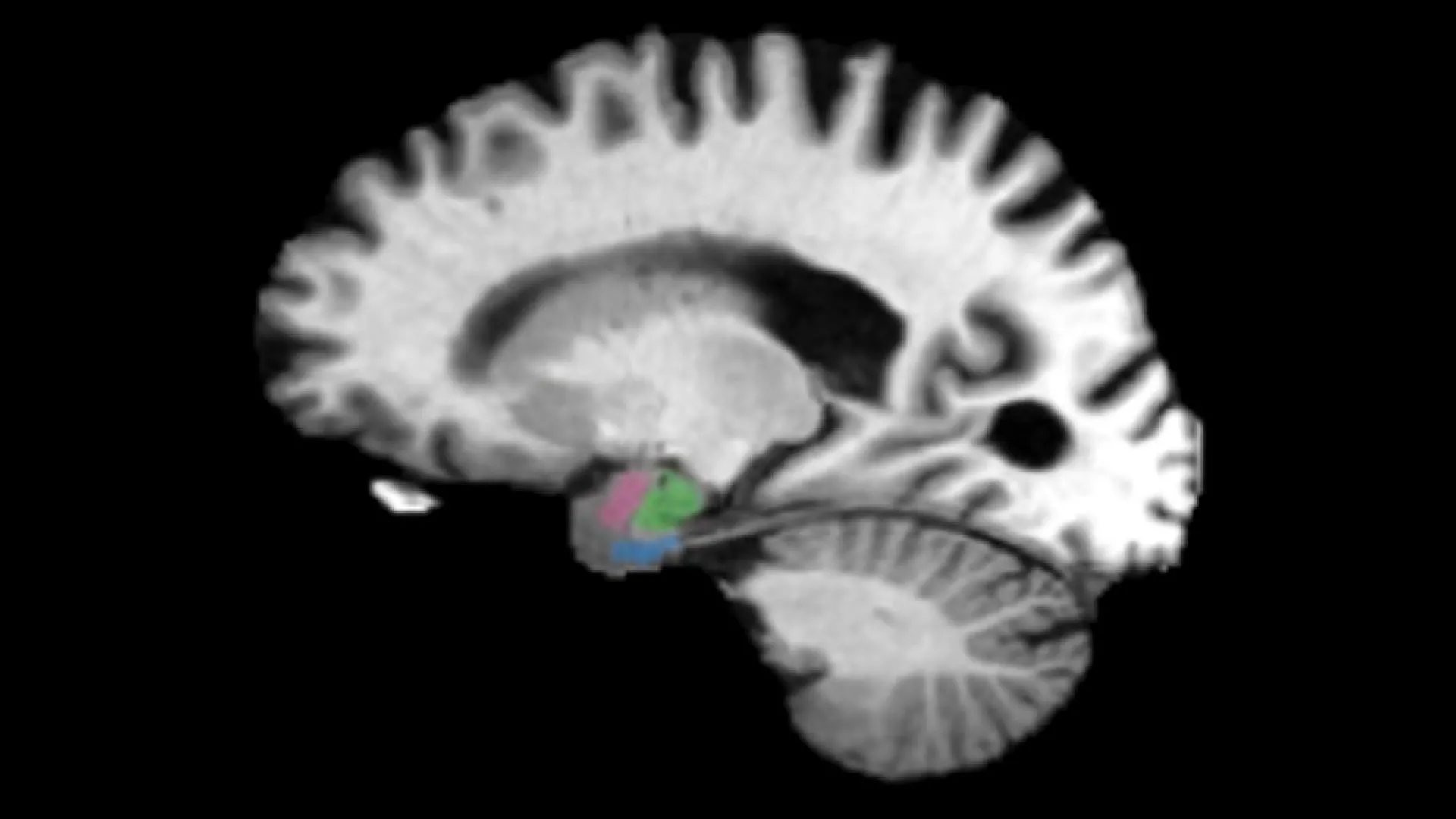
Researchers at Johns Hopkins University in the United States have found that signs of Alzheimer's disease may be visible in the brain as much as a decade before memory problems begin. The study shows that the entorhinal cortex and the amygdala, two regions linked to memory and emotion, start losing tissue earlier than the hippocampus, the area doctors usually examine when looking for evidence of the disease. This could eventually allow earlier recognition of the illness and the start of treatment when it has the best chance of protecting the brain.
The results were recently published in NeuroImage Reports and are being presented at Neuroscience 2026, the annual meeting of the Society for Neuroscience.
How the study was done
The scientists analysed hundreds of magnetic resonance imaging (MRI) and positron emission tomography (PET) scans from two independent projects: the Alzheimer's Disease Neuroimaging Initiative and the study Biomarkers of Cognitive Decline Among Normal Individuals. The scans followed people at different stages of the disease, including those without symptoms, those with cognitive impairment, and patients who ultimately died of Alzheimer's.
In both groups the pattern was consistent: the entorhinal cortex and amygdala, which lie near the hippocampus, showed greater relative tissue loss in early Alzheimer's than the hippocampus itself. The entorhinal cortex helps retrieve stored memories, while the amygdala contributes to emotional memory.
Link to tau protein
Using PET imaging and digital pathology, the team found that areas of gray matter shrinkage overlapped with regions showing changes related to tau, a protein closely associated with Alzheimer's. In the disease, tau can build up abnormally and form tangles that interfere with healthy brain function.
The researchers believe that measuring tissue loss in both regions could eventually improve predictions of who will develop cognitive decline. For people with a family history or other risk factors, doctors might examine these regions as early as their 30s or 40s.
What comes next
The study identifies potential early biomarkers, but it has not yet produced a clinical test able to predict the disease years in advance. The next step is to study the molecular changes around abnormal tau accumulation and how they contribute to tissue loss. "Once we know more about the molecular neighborhoods, we can develop therapies," said senior author Michael Miller, a biomedical engineer.