Alternatives to Mortgages: Renovation, Small Home, and Energy Efficiency Loans
Inbank offers three types of housing loans – renovation, small home, and energy efficiency – available up to 30,000 euros without collateral or down payment, primarily assessing the borrower's creditworthiness.
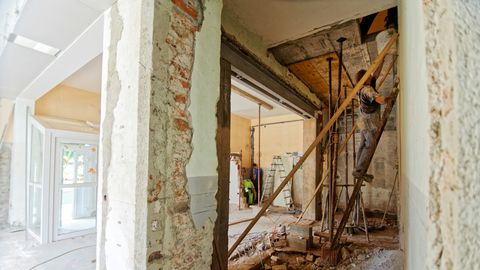
Housing needs in Latvia are becoming increasingly diverse – people are not only buying apartments or houses but also renovating, completing construction, replacing heating systems, purchasing summer houses or land plots. While mortgages remain essential for large purchases, not all situations require such a cumbersome process.
Inbank's head of lending Ingūna Krieva explains in an interview that the company offers three specialized loans: a renovation loan for improving an existing home (e.g., room remodeling, roof replacement), a small home loan for purchasing a small property or completing construction, and an energy efficiency loan for window replacement, insulation, and heating system upgrades.
Unlike mortgages, these loans do not require property valuation, notary services, or land registry entries. The funds are disbursed in a single payment to the client's account, allowing flexible planning of work and material purchases. The maximum amount is 30,000 euros, and the loan is granted without collateral or down payment.
“We assess the person's ability to pay, not the property,” Krieva emphasizes. This is especially important in regions where property values are lower and traditional mortgages may be unsuitable. For example, purchasing a country house, summer cottage, or land often does not meet standard bank requirements.
Although the process is digital and fast, Inbank's representative notes that this does not mean a superficial decision – income, existing obligations, and payment discipline are carefully evaluated. The monthly payment is fixed throughout the contract period, aiding budget planning.
These solutions are not for everyone, but in situations where quick and flexible financing is needed for housing without heavy bureaucracy, they can be a practical alternative. Krieva reminds borrowers to assess their budget and the real costs of the project before taking out a loan.