Amazon Is Ready to Deploy Its Kuiper Satellite Broadband Service
With the successful launch of 29 additional satellites, Amazon now has over 390 operational satellites in orbit, enough to begin providing continuous satellite broadband service in initial latitudes. The company plans to accelerate deployment using next-generation rockets.
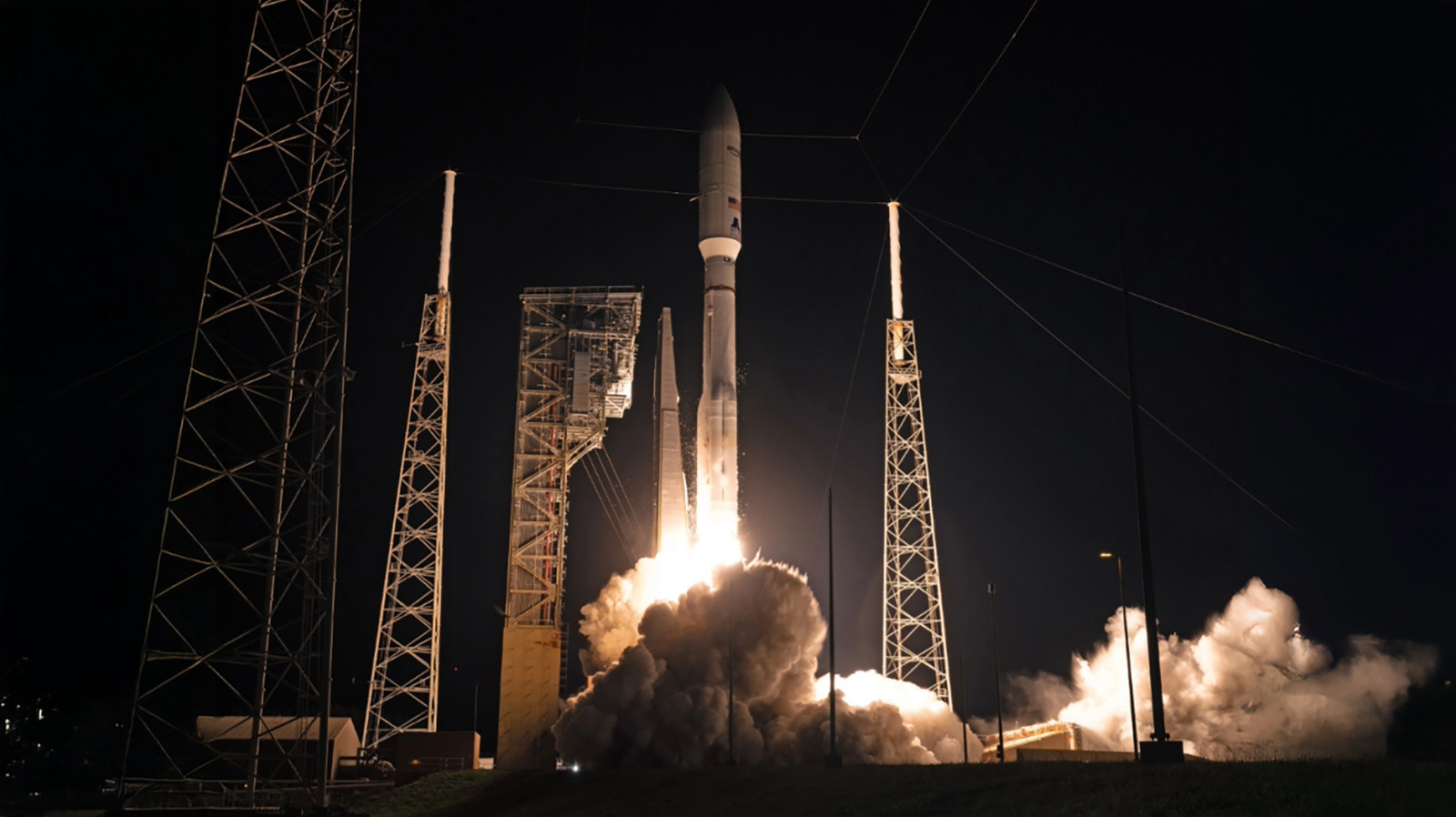
Amazon's Project Kuiper satellite broadband service has reached a major milestone. On July 2, a United Launch Alliance (ULA) Atlas V rocket successfully delivered 29 satellites into orbit from Cape Canaveral Space Force Station in Florida, bringing the total number of operational Kuiper satellites to over 390. According to Chris Weber, Vice President of Amazon Leo, that is "enough to support continuous service across initial latitudes."
Amazon has confirmed that it has established contact with the newly deployed satellites and verified they are in working condition. The next step is to raise them to their operational altitude of 392 miles (approximately 631 km). This launch was the final Atlas V mission for Project Kuiper; future launches will use ULA's heavy-lift Vulcan rocket, which can carry more than 40 satellites per flight and can fly more frequently, enabling faster expansion of coverage and capacity.
Melissa Wuerl, Amazon Leo Director of Launch Systems, noted that hundreds of flight-ready satellites are already waiting at Cape Canaveral, and a new vertical integration facility is ready to support the first Vulcan mission and subsequent flights. This clear path to increased launch cadence will help quickly expand network coverage after initial service rollout later this year.
In addition to ULA rockets, Amazon plans to use Blue Origin's New Glenn vehicle, which can carry more than 48 satellites at once. However, New Glenn's launchpad suffered an explosion during a hotfire test in May, delaying all missions. Blue Origin is actively building a new launchpad to enable flights by the end of the year.
Despite this progress, Amazon's constellation remains far smaller than SpaceX's Starlink, which currently has over 10,000 satellites in orbit providing broadband services.