Andrejs Murnieks criticizes Latvian education reform process and Skola2030 standards
Education expert Andrejs Murnieks argues that Latvia's education policy is driven by a narrow circle, lacks continuity and teacher involvement, and that Skola2030 standards have significant flaws.
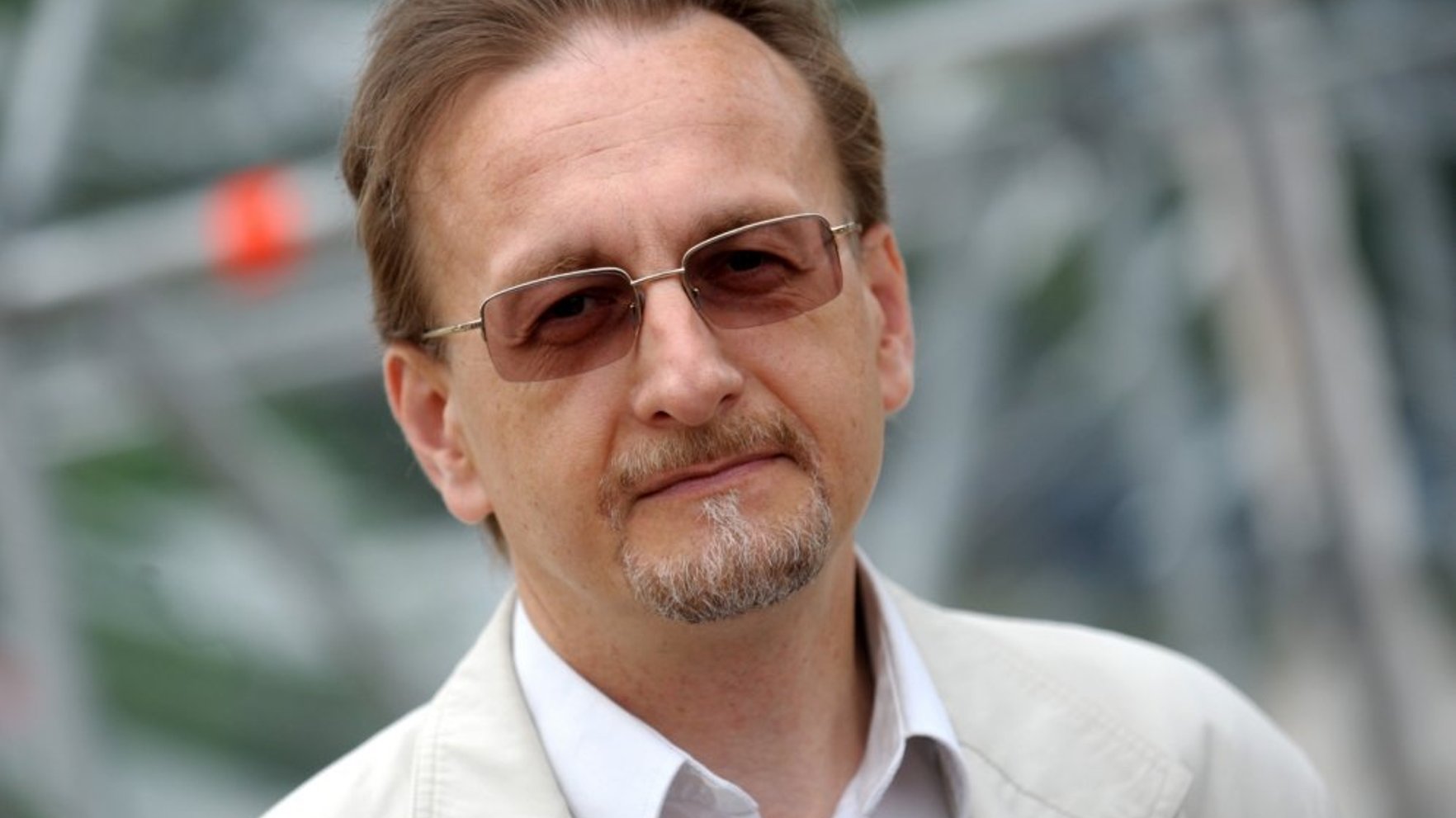
Andrejs Murnieks, an education expert, has analyzed the direction of Latvia's education policy in a published opinion, pointing out several problems. He emphasizes that decisions in recent years have been made by a narrow circle of experts and officials, excluding broader participation from teachers and the public. For the past 20 years, subject consultative councils and the General Education Council have not functioned, while the Higher Education Council has ended its work. Instead, separate councils have been created at each university, consuming budgets and, according to Murnieks, serving political control.
The State Education Development Agency (VIAA) employs over 320 staff, while the Ministry of Education and Science has 140–200. Education policy jumps from project to project without evaluating previous results. Former Minister Dace Melbārde did not meet with teacher unions and the Latvian Pedagogical Council during her year in office. New Minister Ilze Indriksone has indicated a desire to trust schools and teachers more, as well as to review educational content.
Murnieks particularly criticizes the standards of the Skola2030 project. They replaced content descriptions with student learning outcomes every three years. Subjects such as ethics, logic, and history of religions have disappeared from secondary education; philosophy is taught only in a few schools. The standards lack concepts such as 'freedom' (in basic education), 'conscience', 'love', 'Holocaust', 'civilization', 'parliamentarism', and others. The word 'family' appears 17 times in the basic education standard but only three in the secondary standard. Meanwhile, 'rights' is mentioned twice as often as 'duties'.
There is no requirement to condemn occupation, totalitarianism, or Nazi and communist regimes. The phrase 'violent ideologies' is too vague. The basic education standard includes a reference to NATO and the UN, but the secondary standard does not. Murnieks notes that some flaws are corrected by textbooks, but they are not mandatory.
Positive aspects include the mention of the Song and Dance Celebration and the expansion of values in sample programs. The new minister has correctly pointed out the need to improve health education and family values. Murnieks calls for restoring teacher organizations' involvement in policy-making and conducting an evaluation of Skola2030 results.