Android Auto vs. Android Automotive: what's the actual difference?
Android Auto and Android Automotive are two distinct Google products for cars — one relies on your phone, the other runs directly on the vehicle's hardware. Despite the similar names, their purpose and functionality differ significantly.
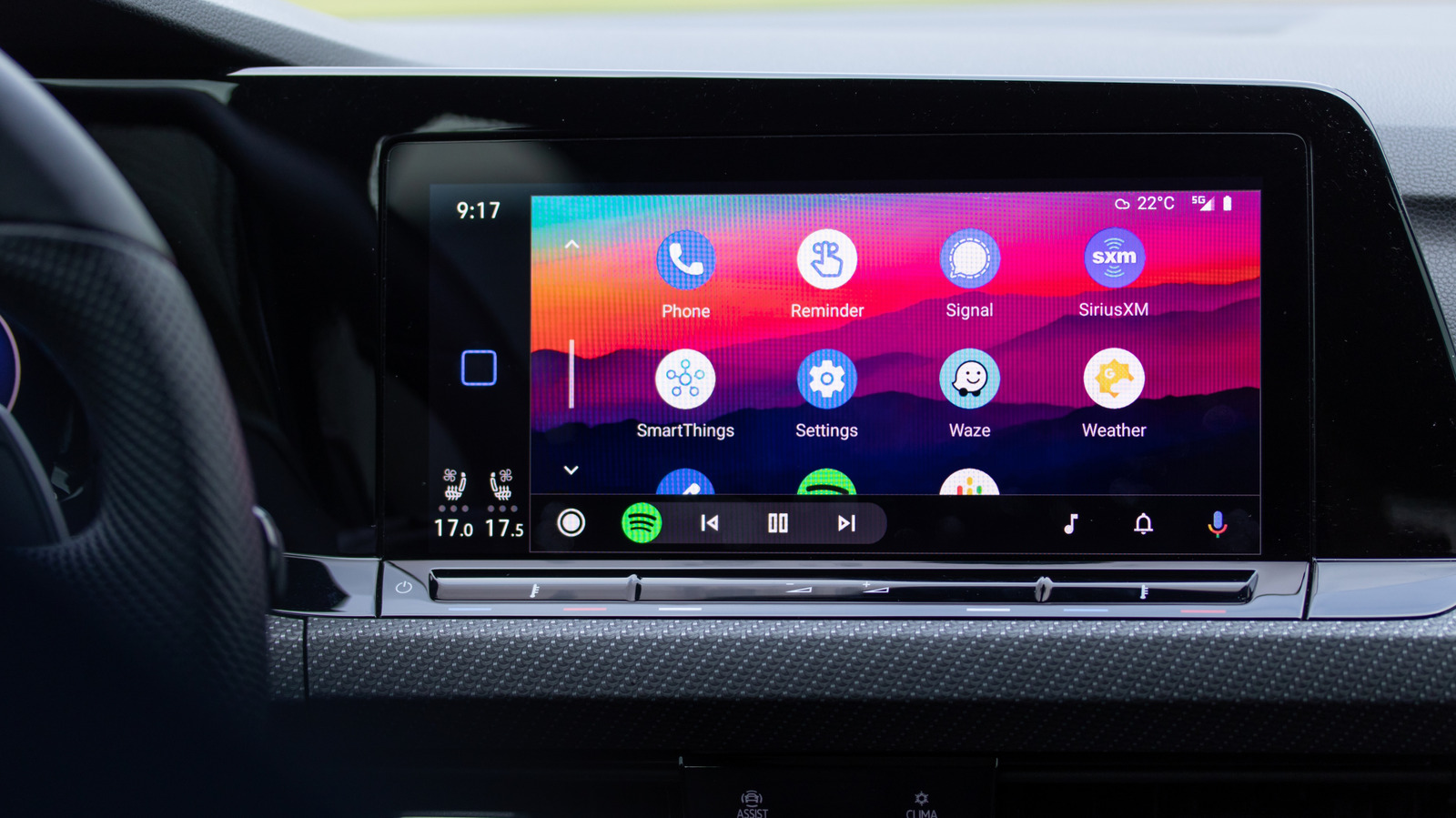
Android Auto and Android Automotive may sound like variations of the same product, but they serve very different purposes in the car.
Android Auto relies on your phone
Android Auto is Google's answer to Apple CarPlay. It uses your Android phone as the "brain," while the car's display acts as a larger, less distracting screen for driving. It can connect via USB or wirelessly, depending on the phone and vehicle. Android Auto doesn't replace the car's built-in software — instead, it projects a specialized interface from the phone onto the car's screen, giving access to apps like Google Maps, Spotify and messaging services. A key benefit is portability: drivers can switch to another compatible car and bring along their apps, accounts and preferences, regardless of what operating system the vehicle itself runs. Apple's CarPlay, including the more advanced CarPlay Ultra, works on a similar principle and still requires an iPhone. When supported by the automaker, Android Auto apps can also access certain vehicle data, such as battery level or estimated range.
Android Automotive lives inside the car
Android Automotive OS (AAOS) is installed directly on the vehicle's hardware, eliminating the need for a phone. It's a full software platform that automakers can integrate with infotainment, instrument displays, climate controls, EV information and other vehicle functions.
Things get more complex with Google built-in, a separately licensed package of Google Automotive Services that can add native Google Maps, Google Play and Google's voice assistant to a car without needing a driver's phone. Google treats this as an optional add-on rather than a core part of AAOS itself.
The distinction matters in practice. Rivian, for example, builds its own software on top of AAOS and doesn't support Android Auto or CarPlay projection at all. Polestar shows a more flexible approach, offering Google built-in on its AAOS-based cars while still supporting Android Auto and Apple CarPlay. Back in 2020, the Polestar 2 became the first production vehicle to ship with Android Automotive OS.