Andy Burnham's foreign policy: continuity over change
A Guardian editorial observes that new UK prime minister Andy Burnham's foreign policy largely continues his predecessor's approach toward the EU and US, with little innovation shown so far. It warns that a coming global crisis is likely to test his ability to connect domestic priorities with international strategy.
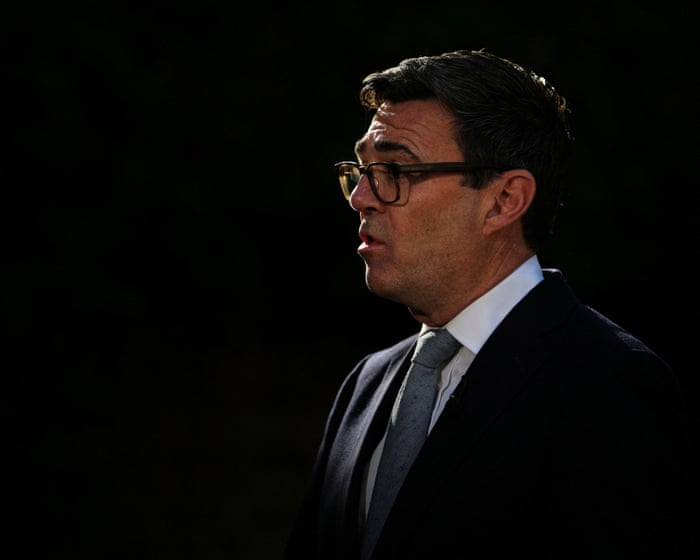
While British domestic politics has been marked by volatility in recent years, foreign policy has remained comparatively stable. A Guardian editorial argues that what is known so far about new prime minister Andy Burnham's approach to international affairs shows more continuity with Sir Keir Starmer's government than departure from it.
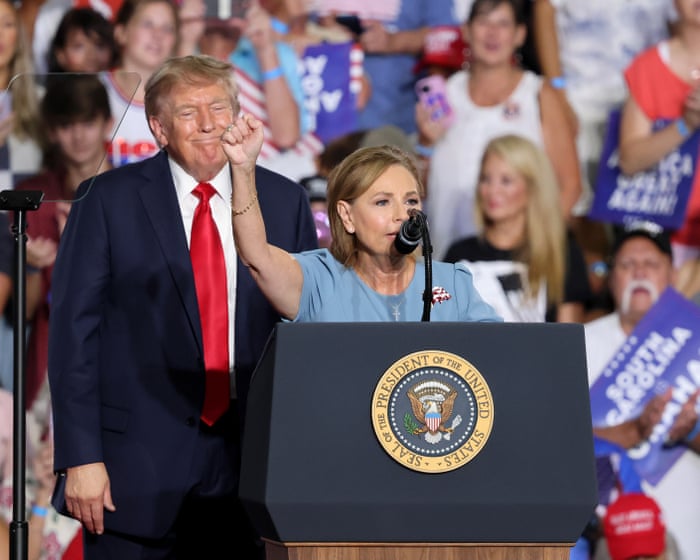
In negotiations with the European Union, the red lines barring membership of the single market or customs union remain unchanged. On relations with Washington, Burnham has shown no interest in displays of camaraderie with Donald Trump, though his predecessor had already shifted to a cooler, more pragmatic tone by the end of his time in office.
The new foreign secretary, Ed Miliband, has established a constructive dialogue with US counterpart Marco Rubio. Given the depth of defence and security integration between the two countries, incoming UK prime ministers of any political stripe have little choice but to invest in building ties with whoever occupies the White House.
Continuity from the Conservative years
The editorial notes that several patterns of consistency predate Labour's recent change of leadership. Support for Ukraine against Russian aggression was one of the few widely praised positions taken by Boris Johnson's government, and it has held through four changes of prime minister since.
Efforts to rebuild functional relations with European neighbours also began before the 2024 general election. Rishi Sunak negotiated the Windsor framework for Northern Ireland and scrapped a bill that threatened chaos for businesses by automatically removing retained EU laws without a replacement timetable. That reversal was carried out by Kemi Badenoch, now Conservative leader, though she did not emphasise it during her subsequent leadership campaign.
Starmer grew gradually more willing to link Britain's economic troubles to the terms of Brexit, but this shift remained largely rhetorical, constrained by a manifesto commitment ruling out major change. Burnham has accepted the same limits as part of his inherited electoral mandate.
The editorial concludes that the prime minister has little room to innovate in foreign policy and has so far focused on domestic issues that resonate more with voters. However, with global instability showing no sign of easing, an international crisis is likely to demand his attention before long — testing whether he can align his domestic agenda with a coherent approach to the wider world.